










We also considered 10 others:


Our Top Choice
Compare Features


The order above is not editorial opinion, and it is not paid placement. It comes from what shoppers across our network actually do - which rc toys they compare, and which they ultimately buy. We re-rank as new data comes in, so the long-term favorites have to keep earning their spot against new entrants. The full method, including how we make money.
RC Toys Buyer's Guide
RC toys are a tradeoff between excitement and control: the faster and more capable they are, the more space, supervision, durability, and battery planning they require. Before buying, match the vehicle to where it will actually run—living room, driveway, grass, dirt, pool, pond, or lake—and check water sealing, spare parts, rechargeable packs, and age-appropriate controls rather than judging by top speed alone.
Build
Build quality matters because RC toys take repeated hits, flips, rough landings, and frequent battery swaps, so a sturdier toy is more likely to stay fun instead of turning into a repair project. Look for tough materials, secure wheels or propellers, protected electronics, and a chassis that feels solid without being brittle. Watch out for loose parts, flimsy controls, weak hinges, or designs that seem likely to crack after normal bumps and crashes.
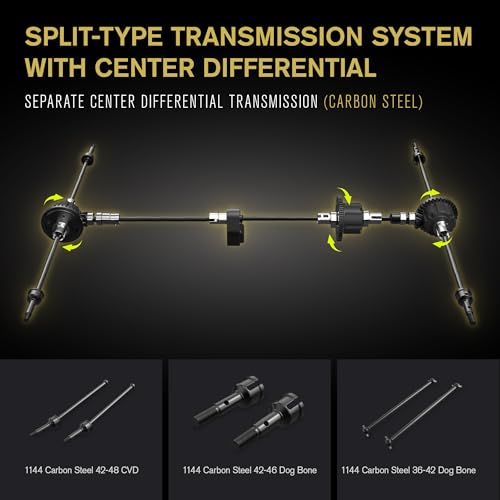
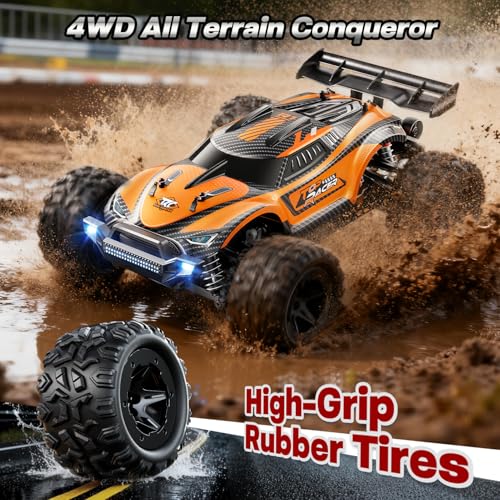
For build quality, first match the chassis to the abuse and surface it will face: low-slung racers need smooth pavement, off-road trucks need real tire clearance, flexible bumpers, protected suspension links, and preferably 4WD, while boats need sealed electronics, a secure hatch, and enough buoyancy to survive splashes or minor flips. Avoid RC toys that look rugged but lack replaceable tires, body clips, propellers, suspension pieces, or basic spare parts, because crashes, curb hits, and water exposure are common failure points in this category. Owner feedback supports prioritizing sturdier designs: buyers often praised models that felt tougher than expected, handled bumps, ran across grass, gravel, dirt, driveways, and sidewalks, or had good water sealing, and they especially liked kits that included spare parts and extra batteries.
Fun
Fun matters because an RC toy that is engaging to control will get used more often and stay enjoyable beyond the first few runs. Look for responsive handling, varied ways to play, and enough challenge to keep things interesting without being frustrating. Watch out for toys that feel repetitive, are too difficult for the intended user, or only work well in very limited play spaces.
For fun, choose the play pattern before choosing the toy: stunt cars should flip, spin, and self-right; trucks should climb, jump, and handle mixed terrain; boats need a large enough pond or pool to turn around safely; and younger kids usually get more lasting fun from lights, simple tricks, and forgiving controls than from maximum performance. Avoid buying a high-speed model for a cramped yard, small indoor space, crowded pool, or child who cannot yet steer smoothly, because frustration and crashes can replace the novelty quickly. Owner sentiment backs this up: shoppers repeatedly described these toys as fun for kids and adults, easy to pick up, exciting enough for parties or gifts, and engaging for longer family play sessions when the speed and features fit the setting.
Speed
Speed determines how exciting an RC toy feels to drive, but faster isn’t always better if you’re using it in a small space or handing it to a beginner. Look for performance that matches the driver’s skill level and terrain, including responsive acceleration, steady handling at speed, and brakes that feel controlled rather than twitchy.
For speed, treat the advertised top speed as a space and safety requirement, not just a thrill feature: fast cars need open pavement or wide dirt areas, fast trucks need grippy tires and stable suspension, and fast boats need ponds or lakes with enough room to recover turns and avoid banks, swimmers, weeds, and docks. Look for selectable speed modes, throttle trim, or beginner settings if a child or first-time driver will use it; avoid full-speed-only toys for preschoolers or tight spaces. Owners consistently liked RC toys that felt genuinely quick rather than sluggish, including vehicles that accelerated hard, stayed manageable after practice, and remained grippy across surfaces such as dirt, asphalt, snow, ice, wet ground, ponds, lakes, and choppier water.
Value
You want an RC toy that feels worth what you pay, not just impressive out of the box. Look for a balance of durability, battery life, control range, repairability, and included accessories, and be cautious of models that seem cheap but require frequent replacement parts, extra batteries, or upgrades to stay fun.
For value, judge the whole kit, not just the vehicle: the best buys include rechargeable batteries, a charger, spare propellers or body parts, common-size screws or clips, and components that can survive normal crashes without turning the toy into a disposable item. If you expect outdoor use, paying for better shocks, tires, drivetrain parts, sealing, and a stronger shell can be more valuable than paying for decorative extras; for a young child, simpler durable features may matter more than hobby-grade complexity. Buyer feedback aligns with this: owners felt the strongest value came from toys that delivered capable performance, useful extras like two batteries or spare parts, better-than-expected construction, and meaningful upgrades in tires, shocks, controller feel, body shell, or drivetrain durability.
Battery
Battery life determines how long you can keep driving, flying, or racing before the fun stops for a recharge. Look for realistic runtime estimates, reasonable charging times, and whether extra or swappable batteries are available, especially if you plan longer play sessions. Watch for toys that charge slowly or use hard-to-replace batteries, since they can limit use more than the stated performance suggests.
For battery setup, check the exact pack type, number of included packs, charge time, run time, and whether the remote needs separate cells; RC toys often feel disappointing when a short run is followed by a long recharge. Two swappable rechargeable packs are a major practical advantage, but confirm they are easy for an adult to remove, have safe connectors, and are charged on a proper surface; avoid models that rely heavily on disposable batteries or proprietary packs you cannot replace later. Owner reports strongly favored rechargeable setups, especially kits with two batteries and chargers, with many buyers saying the run time was long enough for satisfying sessions and better than expected for this kind of toy.
Controls
Good controls make an RC toy more fun and less frustrating, especially when you’re turning, accelerating, braking, or navigating tight spaces. Look for responsive remote input, predictable steering, and maneuverability that matches where you’ll use it, whether that’s indoors, on pavement, or over rougher terrain. Watch out for toys with laggy response, vague steering, or complicated controls if the user is a beginner or a younger child.
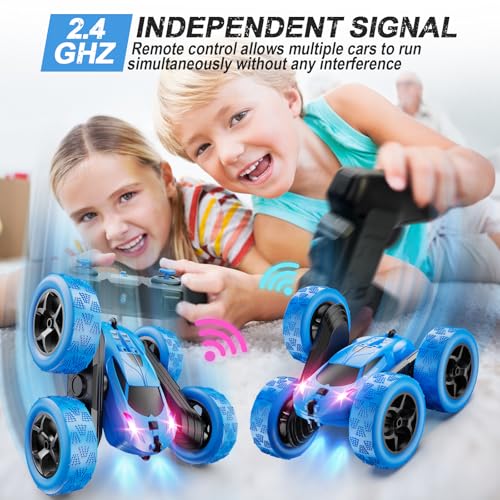
For controls, prioritize proportional steering and throttle, reliable pairing, comfortable remote size, and a range appropriate to the play area; boats also need dependable turning response before they drift too far, while fast cars and trucks benefit from trim adjustments and lower-speed modes for learning. For younger children, choose simple remotes with few buttons and forgiving self-righting or auto-roll features; avoid overly sensitive steering, confusing stunt controls, or vehicles that require delicate throttle control to avoid constant crashes. Owner sentiment supports these checks: buyers praised straightforward setup, beginner-friendly remotes, responsive steering, tight turns, easy pairing, manageable speed once drivers adjusted, and stunt functions such as spins, flips, running, turning, and auto-roll features that kept children playing.
1,000,000+ shoppers use Buyer's Guide every week to find the best products and services online.

Helping millions of users make smarter purchases online.


