


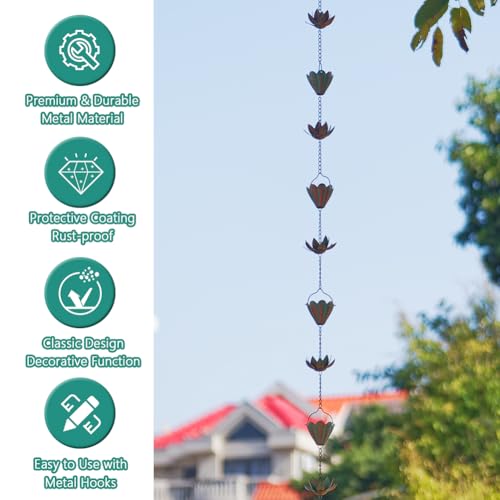
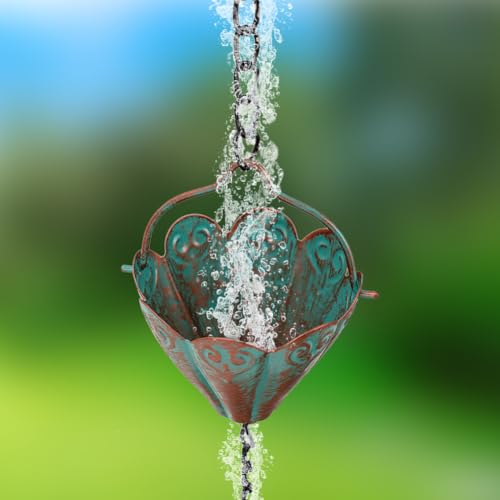


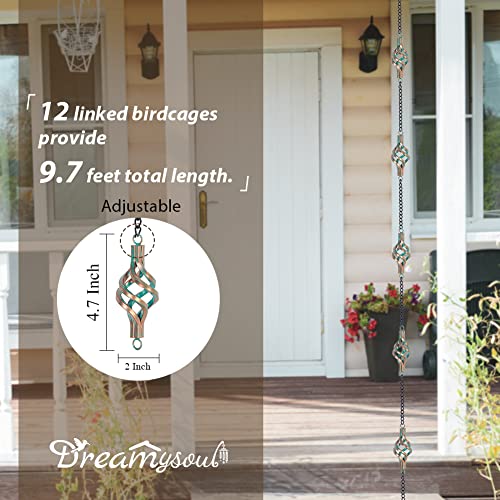




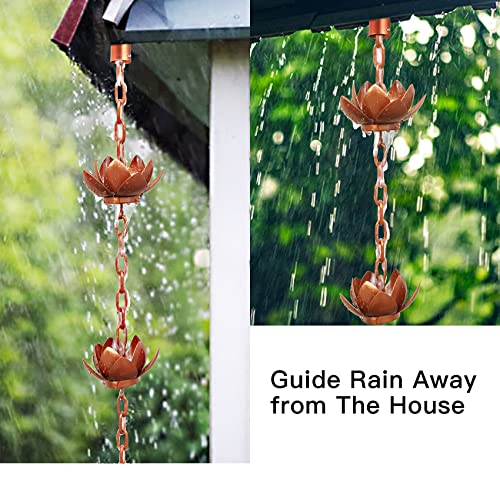


We also considered 10 others:


Our Top Choice
The order above is not editorial opinion, and it is not paid placement. It comes from what shoppers across our network actually do - which rain chains they compare, and which they ultimately buy. We re-rank as new data comes in, so the long-term favorites have to keep earning their spot against new entrants. The full method, including how we make money.
Rain Chains Buyer's Guide
Rain chains sit between drainage hardware and outdoor decor: they can replace an ugly downspout, but they do not contain water the way a pipe does. The sharpest buying concerns are whether the chain can handle your roof runoff without splashing near the foundation or walkway, and whether its material, length, and anchoring will survive real weather while still looking intentional.
Water Control
A rain chain is exposed drainage, not a sealed downspout, so its capacity depends on how much roof water is feeding it and how well the cups or links keep water centered. In heavy rain, the wrong design can shed water sideways, soak walkways, or dump runoff too close to the foundation.
Match the chain style to the drainage job: larger cup-style chains usually manage roof runoff better than open link or highly decorative cages, while light decorative designs are better for gentle, visible rain streams. For a roof valley, large gutter run, second-story drop, walkway edge, or foundation-sensitive spot, look for generous cup depth, close cup spacing, a wide gutter outlet, and a splash block, basin, gravel bed, or drain at the bottom; avoid relying on a delicate open chain as the only control point for heavy downpours. Owner feedback supports this tradeoff: buyers often say rain chains can work well as practical replacements for awkward downspouts and waterfall spots, but heavier rain is the main watch-out, with reports of splashing, overflowing, or the chain becoming more decorative than truly drainage-focused in stronger flow.
Fit & Install
Most rain chains are simple to hang, but a clean install depends on the gutter outlet, attachment style, and the distance to the ground or drain. A chain that is easy to mount but the wrong length or poorly centered can still perform badly.
Check the gutter opening before buying: a rain chain should include or accept a drop-in adapter, V-hook, or gutter clip that centers water directly over the first cup or link. Measure from the gutter outlet to the basin, stake, drain, or ground target, and favor sectioned or adjustable designs if the drop is unusual; be ready to remove or add sections so the chain ends low enough to guide water without bunching on the ground. Owners consistently describe installation as simple and quick, including setups that take only minutes and models with downspout drop-in attachments, but length adjustment is a recurring fit issue for some installations.
Weather Durability
Rain chains live outdoors through water, wind, sun, debris, and sometimes freezing conditions, so material choice matters more than indoor decorative finish. Stronger metal, secure joints, and weather-tolerant coatings help the chain keep both its look and its drainage function.
Look for real outdoor-rated metal, solid cup connections, clean welds or linked joints, and finishes that match your climate: copper will patina, aluminum resists rust and stays lighter, and coated steel should be judged carefully for chip points that can rust. Avoid flimsy decorative pieces if the chain will hang from an exposed eave, handle wind, or sit where rust staining could mark siding, stone, or concrete. Owner sentiment strongly favors sturdier builds, with many buyers describing substantial metal pieces, good quality, and durable appearance over time; the caution is that durability feedback is not uniform, with some reports of breakage, rust staining, or less confidence in rough weather and heavy downpours.
Curb Appeal
Rain chains are often chosen because they replace an unattractive downspout with something visible and architectural. The best visual choice should suit the home exterior while still leaving enough open path for water to travel down.
Choose a shape and finish that works from the curb and up close: cups, lotus forms, cages, and sculptural links all read differently against siding, brick, stone, and garden beds. Decide whether you want a finish that stays visually consistent or one that develops patina, and avoid overly intricate designs in debris-heavy gutters if leaves and grit could clog or deflect flow. Owners repeatedly praise rain chains as elegant, beautiful, and much nicer-looking than standard downspouts, calling out decorative finishes, patina, and statement-making designs; many also connect the finished look with perceived quality and satisfaction.
Stability
A rain chain works best when it is kept vertical and has a controlled landing point. Without bottom control, wind and falling water can make it swing, splash, or move runoff away from the intended drain path.
Plan the bottom termination before you hang it: use a ground stake, basin, decorative pot with drainage, rock bed, rain barrel inlet, or tiedown where wind or strong runoff could swing the chain. Heavier chains can feel better made and hang straighter, but they also require a gutter attachment strong enough to carry the load when wet; very light chains may move more in wind or heavy flow. Owner feedback notes that substantial metal weight can make a chain feel sturdy and well made, while broader comments are mixed on long-term firmness and water handling in rougher conditions.
Sound & Splash
Part of the appeal of a rain chain is watching and hearing water travel down it, but that same open flow can become distracting or messy in the wrong location. Placement near windows, doors, patios, and walkways should account for both sound and splash.
Think about where the chain will be heard and where droplets will land: near a bedroom window, entry, deck, or narrow path, a smoother cup chain with a proper catch basin is usually safer than a splashy open-link design. If the goal is ambiance, look for designs that break water into a visible stream without throwing it outward; if the goal is strict drainage, prioritize splash control over musical sound. Owners describe the water movement as enjoyable and pleasant to hear, but the same feedback notes that medium to heavy rain can bring overflowing or splashing, so the sensory benefit should be balanced against the mess risk.
Don't miss the latest sales on Rain Chains and more. Get the best Black Friday deals today!

1,000,000+ shoppers use Buyer's Guide every week to find the best products and services online.

Helping millions of users make smarter purchases online.