













We also considered 10 others:


Our Top Choice
Compare Features


The order above is not editorial opinion, and it is not paid placement. It comes from what shoppers across our network actually do - which power banks for iphone 13 they compare, and which they ultimately buy. We re-rank as new data comes in, so the long-term favorites have to keep earning their spot against new entrants. The full method, including how we make money.
Power Banks for iPhone 13s Buyer's Guide
Buying a power bank for an iPhone 13 is a tradeoff between fastest wired USB-C PD charging, convenient magnetic top-ups, and how much bulk you are willing to carry with the phone. The sharpest checks are Lightning/USB-C compatibility, real MagSafe-style alignment versus ordinary wireless charging, and enough usable capacity after heat and conversion losses.
Speed
Charging speed determines how quickly your portable charger can refill your devices and whether it can handle power-hungry gear like tablets, laptops, or fast-charging phones. Look for output ratings and supported fast-charging standards that match your devices, and watch out for chargers that advertise high capacity but deliver low power, since they may charge slowly even if they hold a lot of energy.
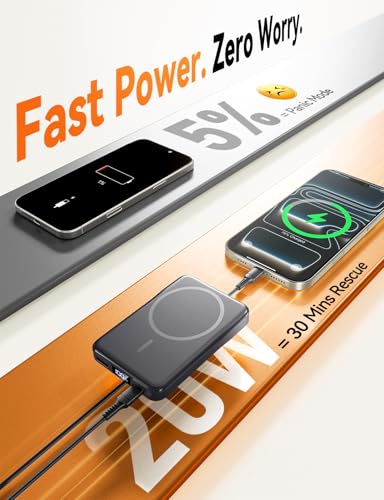
For an iPhone 13, prioritize a bank with USB-C Power Delivery output around the phone’s fast-charge range and plan to use a USB-C-to-Lightning cable; magnetic charging is best for convenience top-ups, but it is usually slower and more heat-sensitive unless the pack is truly MagSafe-capable rather than just magnetically aligned Qi. Also check that the USB-C port is output, not only input, and that the bank can recharge itself quickly enough for travel days. Owner feedback supports this: shoppers consistently praise fast wired charging, quick bank recharging, and strong output for rapid phone top-ups, while magnetic models are liked most when they deliver steady quick boosts on the go.
Portability
Portability matters because a charger that is too bulky or heavy can become something you leave behind, defeating its purpose when you need power on the go. Look for a compact size, manageable weight, and a slim profile that fits your bag, pocket, or travel setup, while remembering that smaller chargers may trade off some battery capacity or charging options.
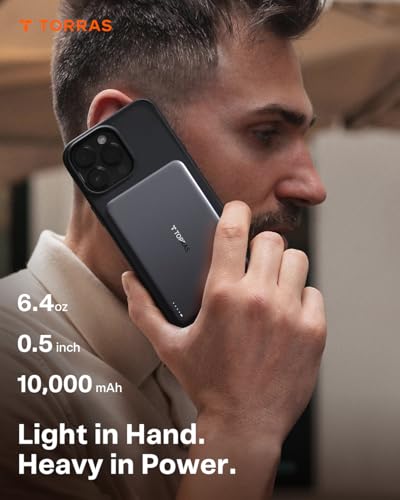
Match the size to how you actually carry an iPhone 13: a slim 5,000–10,000 mAh magnetic or pocket pack is better for commuting, photos, events, and one-handed use, while larger 20,000 mAh packs belong in a bag and can make cable use awkward on the move. If choosing a magnetic pack, check thickness and camera-bump clearance so it sits flat, does not block the lenses, and still fits with your MagSafe-compatible case. Owner sentiment reinforces the importance of this tradeoff, with buyers repeatedly valuing slim, lightweight packs that fit pockets, purses, backpacks, and travel bags without making the phone feel bulky.
Battery
Battery capacity determines how long a portable charger can keep your devices running before the charger itself needs to be refilled. Look beyond the advertised mAh rating, since usable capacity is lower after power conversion losses, and match the size to your needs: enough for a phone top-up, multiple full charges, or larger devices like tablets. Watch out for very high-capacity packs if portability matters, because more battery usually means more weight and longer recharge times.
For iPhone 13 buyers, do not read the printed mAh as direct iPhone refills: conversion losses mean a 5,000 mAh pack is usually a top-up/near-one-charge option, 10,000 mAh is the safer all-day choice, and 20,000 mAh is for multi-day travel, family sharing, outages, or charging other gear. If you expect wireless charging, budget extra capacity because magnetic/Qi charging wastes more energy as heat than a cable. Owner reports align with this, highlighting generous capacity, multiple phone top-ups, long charge retention, and usefulness during travel, camping, busy days, and emergencies.
Quality
A portable charger gets tossed in bags, pockets, and travel kits, so solid build quality helps it hold up to daily bumps, cable strain, and repeated use. Look for a clean, well-fitted casing, sturdy ports, responsive buttons, and a finish that resists scuffs or slippery handling; avoid chargers that feel flimsy, have loose connectors, or show gaps and rough seams.
Look for iPhone-specific fit and safety details, not just a nice shell: strong magnets, accurate alignment, stable USB-C PD negotiation, clean Lightning-cable compatibility, pass-through behavior that is clearly specified, and protection against overheating, overcurrent, and short circuits. Avoid packs with loose built-in connectors, flimsy kickstands, poorly protected ports, or magnetic designs that slide when the phone is in a case. Owner feedback supports quality as a differentiator, with many buyers describing dependable day-to-day performance, sturdy travel-ready construction, secure built-in cables, polished finishes, and packs that feel trustworthy as everyday backups.
Reliability
You need a portable charger you can trust to deliver power consistently when an outlet is not available, especially during travel, emergencies, or long days away from home. Look for dependable functionality across repeated use, stable charging without random shutoffs, and good cooling performance so it does not overheat or throttle under load. Be wary of units with inconsistent output, unreliable ports, or a tendency to run hot, since those can leave your devices undercharged when you need them most.
For an iPhone 13 power bank, reliability means it still delivers predictable output after sitting in a bag, does not randomly stop charging when the phone reaches high battery levels, and does not overheat or detach during navigation, filming, or hotspot use. Check reviews for long-term behavior, charge-hold over weeks, magnet strength with a case, and whether the bank can handle repeated partial top-ups without needing resets. Owner sentiment is broadly positive here, with buyers trusting dependable, well-made packs for travel, school, outages, events, errands, and even higher-demand devices, which suggests consistency matters as much as raw capacity.
Convenience
Convenience matters because a portable charger is only helpful if you can use it quickly wherever you are, without digging for the right cord or juggling extra accessories. Look for practical features like built-in cables, wireless charging, or a magnetic connection if they match your devices, but make sure they do not add bulk or lock you into a connector type you may not use later.
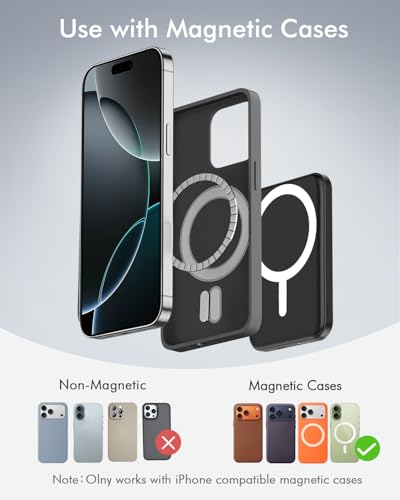
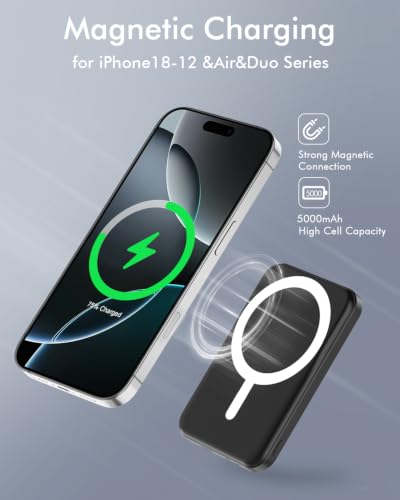
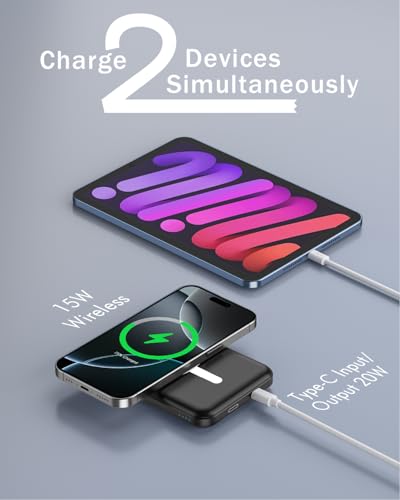
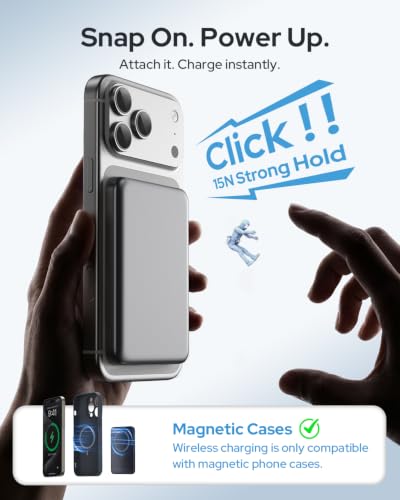
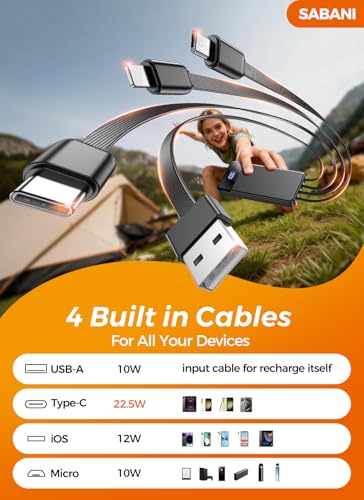
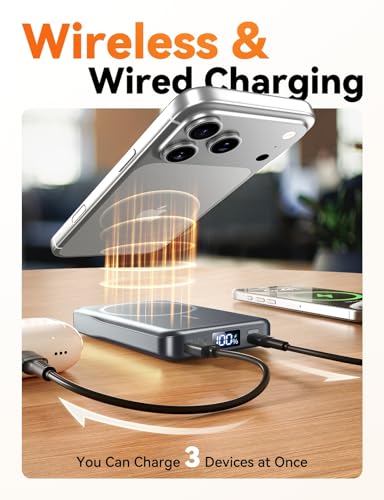
Choose the convenience style around your iPhone 13 setup: magnetic packs are easiest for cable-free commuting and photos, but need a MagSafe-compatible case and careful alignment; built-in-cable packs are better if you hate carrying cords, but the attached connector must include the right Lightning option or you still need an adapter. A battery-level display, short integrated cable, USB-C input/output, and ability to charge earbuds or another device can make a big difference on trips. Owner feedback backs these priorities, with shoppers especially appreciating secure magnetic snap-on charging, built-in cables that eliminate extra cords, quick top-ups, and small lightweight designs for travel, theme parks, hiking, purses, and backpacks.
1,000,000+ shoppers use Buyer's Guide every week to find the best products and services online.

Helping millions of users make smarter purchases online.