












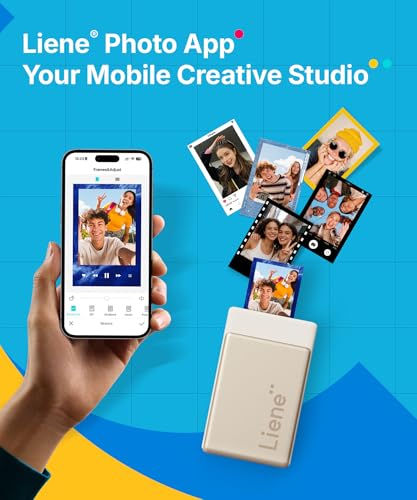


We also considered 10 others:





Our Top Choice
Compare Features


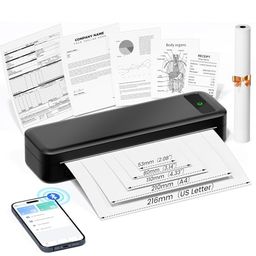


The order above is not editorial opinion, and it is not paid placement. It comes from what shoppers across our network actually do - which portable printers for iphone they compare, and which they ultimately buy. We re-rank as new data comes in, so the long-term favorites have to keep earning their spot against new entrants. The full method, including how we make money.
Portable Printers for iPhone Buyer's Guide
Portable printers for iPhone split into two very different tools: pocket sticker printers that are fast and fun, and larger photo/document printers that preserve detail but ask more from your bag, battery, and consumables. The sharpest checks are iOS workflow compatibility and whether the print technology actually matches your job—tiny sticky snapshots, archival-looking 4x6 photos, labels, or readable documents.
Quality
Print quality determines how sharp your text looks, how clear fine details appear, and how accurately colors reproduce in photos, graphics, and presentations. You’ll want to look for crisp lettering, smooth gradients, consistent color, and minimal banding or smudging, while remembering that results can vary by paper type, ink or toner, and print settings.
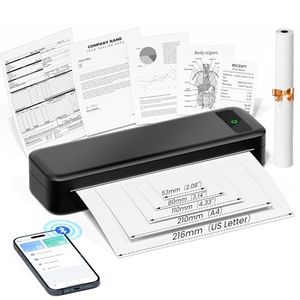
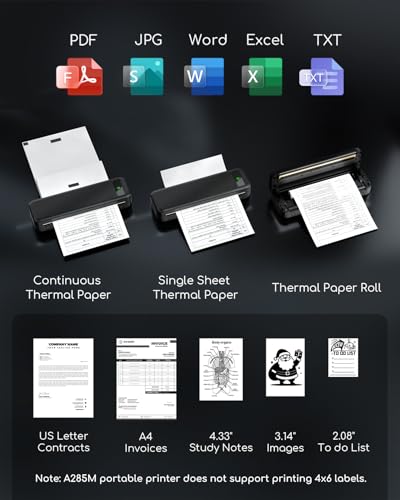
For iPhone photo printing, decide first whether you need “keepsake photo” quality or quick sticker/label convenience. For true photo albums, gifts, and skin tones, prioritize 4x6 photo printers using dye-sub or comparable photo-focused systems, with stated color-management support, glossy/layered paper, and enough resolution to preserve detail from modern iPhone cameras. For journals, lockers, planners, and casual memory keeping, 2x3 sticky-backed printers are more portable but usually trade away fine detail, tonal range, and long-term durability. For receipts, school notes, forms, or line drawings, look for crisp monochrome thermal/document output rather than photo claims, and avoid tiny photo-sticker models if you need readable full-page text. Owner feedback supports these distinctions: buyers praise some compact photo units for sharp, glossy 4x6 prints with vibrant but natural colors, while mini sticker printers are liked more as fun tools for labels, notes, scrapbooks, and memory books; document-focused portable units earn praise when regular text and simple line work come out clear without ink.
Connectivity
Connectivity determines how easily you can print from the devices you actually use, whether that’s a computer, phone, tablet, or shared office network. Look for reliable Wi-Fi, useful wired options if you need stability, and straightforward mobile or app setup; watch out for printers that are finicky to pair, drop off the network, or require awkward workarounds for everyday printing.
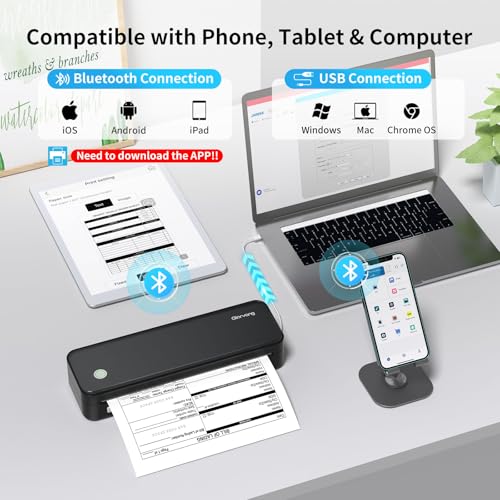
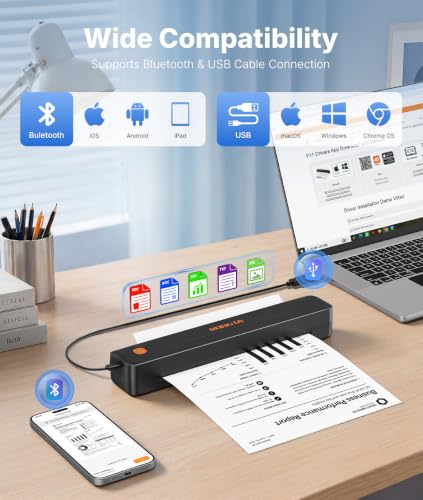
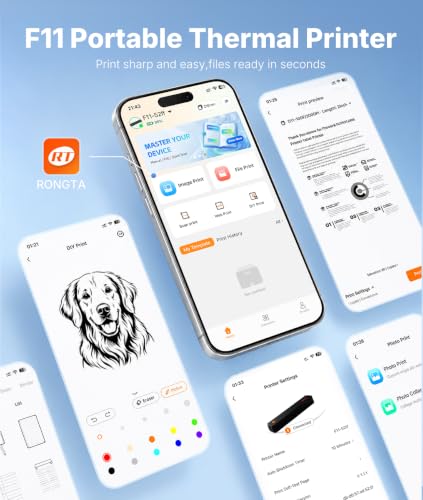
For an iPhone, do not assume “Bluetooth printer” means it will print from every iOS app. Check whether the printer supports AirPrint if you want to print directly from Photos, Safari, Mail, Notes, or Files without a proprietary workflow; if it relies on Bluetooth, confirm the companion app is current in the App Store, supports your iOS version, and can import from iCloud Photos/Files without awkward steps. Also check whether the app requires an account, excessive permissions, cloud upload, or internet access, especially if you plan to print kids’ photos, event images, or travel documents. If you also use an iPad, Mac, or laptop, verify multi-device pairing and whether Wi-Fi Direct, USB, or laptop printing is actually supported. Owner sentiment is encouraging on the basics: many buyers describe phone setup as quick, Bluetooth pairing as straightforward, app-based printing as simple, and some models as flexible enough for phone or laptop use.
Ease
You’ll interact with a printer often through setup, paper loading, app or computer software, scan/copy controls, and error prompts, so ease of use can matter as much as print quality in daily life. Look for clear menus, straightforward driver or mobile workflows, accessible ink or toner replacement, and helpful status alerts; watch out for confusing displays, fussy wireless setup, or maintenance steps that turn simple jobs into chores.
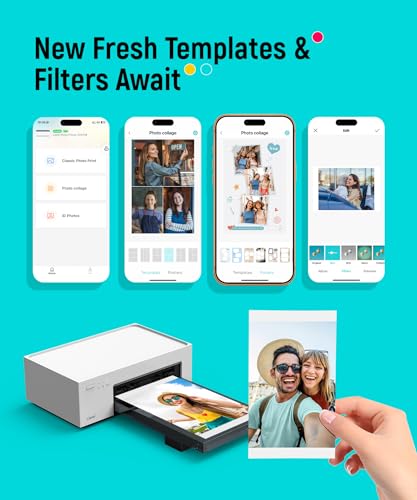
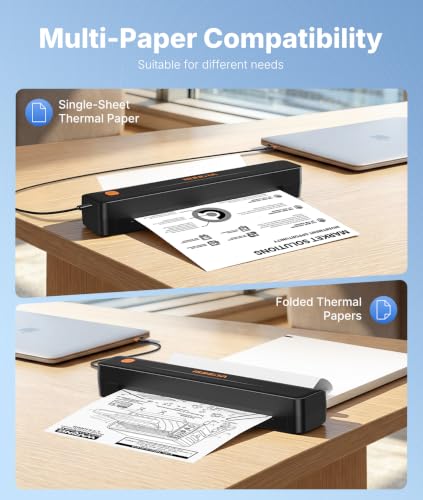
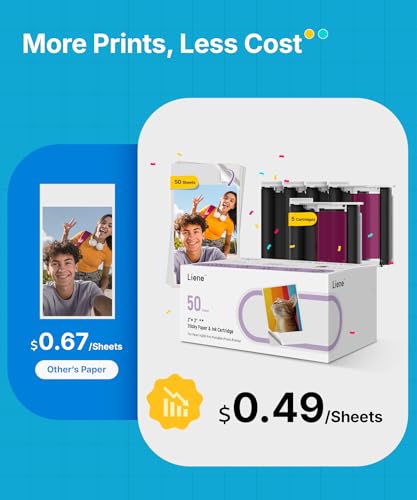
The easiest iPhone portable printer is the one whose whole workflow matches your actual use: open the iOS app or share sheet, crop to the printer’s native aspect ratio, load the correct paper or cartridge in one direction, and get a print without calibration surprises. Before choosing, check how often paper, sticker rolls, dye-sub cartridges, or thermal rolls must be replaced; whether the supplies are proprietary; whether the battery can handle your expected outing; and whether the printer needs a cool-down period, cleaning sheet, or alignment step. For iPhone photos, pay special attention to cropping: square, portrait, Live Photo stills, HEIC images, and 2x3 sticker formats can cut off faces or text unless the app gives good preview and border controls. For journaling and labeling, look for templates, text tools, batch printing, and easy peel backing; for documents, look for reliable paper feeding and readable output rather than novelty features. Owners commonly report that these devices can be very low-friction, with first prints often happening within minutes, and sticky-backed mini prints are especially appreciated for scrapbooking, cards, gifts, journals, and quick memory keeping.
1,000,000+ shoppers use Buyer's Guide every week to find the best products and services online.

Helping millions of users make smarter purchases online.


