



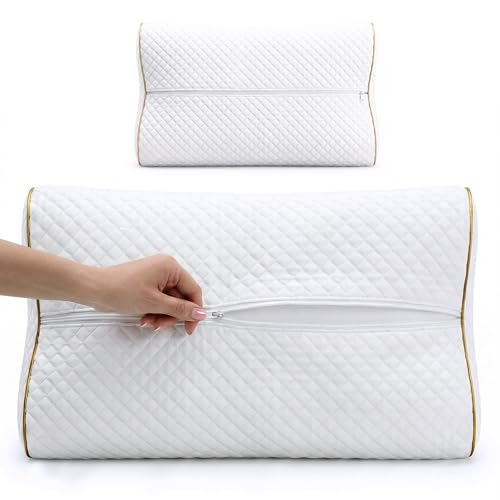


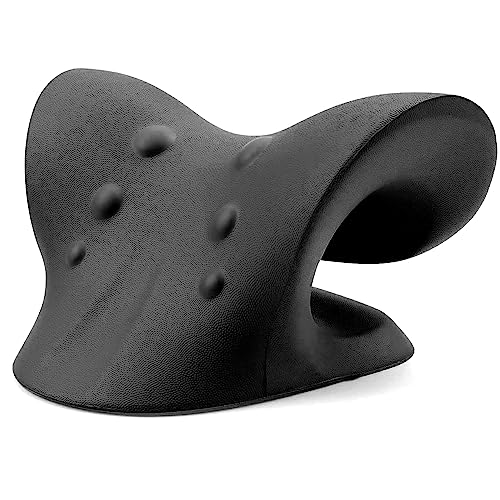


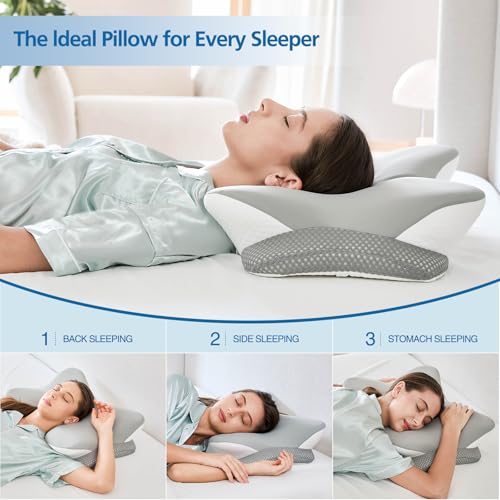
We also considered 10 others:


.png)


Our Top Choice
Compare Features


The order above is not editorial opinion, and it is not paid placement. It comes from what shoppers across our network actually do - which pillows for migraine they compare, and which they ultimately buy. We re-rank as new data comes in, so the long-term favorites have to keep earning their spot against new entrants. The full method, including how we make money.
Pillows for Migraine Buyer's Guide
Migraine-focused pillow shopping is a balance between reducing neck strain and avoiding sensory triggers like heat, pressure, odor, and scratchy fabric. The right pillow will not cure migraine, but the wrong one can add poor sleep, cervical tension, and scalp or facial pressure to an already sensitive system.
Quality
A well-made pillow holds its loft and support over time, so pay attention to the fill material, stitching, cover fabric, and whether it resists clumping, flattening, or losing shape. You’ll also want to check care instructions and washability, since some pillows are easy to freshen while others require spot cleaning or special handling. Watch for strong odors, flimsy seams, uneven fill, or materials that seem likely to break down quickly.
For migraine-prone sleepers, “quality” should mean consistent shape, low irritation, easy cleaning, and minimal sensory triggers—not just a plush first impression. Prioritize foam or fill that does not collapse by morning, a removable washable cover, smooth fabric that will not scratch sensitive skin, and materials with little to no odor; avoid pillows that arrive heavily scented, trap heat, or develop lumps that create pressure points at the temples, jaw, or base of the skull. Owner feedback supports these checks: buyers often praised well-filled, sturdy pillows that stayed plump, foam that held its shape without flattening or getting hot, soft non-itchy materials, and washable covers that made regular use easier.
Comfort
Comfort matters because your pillow directly affects how relaxed you feel when you settle in and whether you stay asleep without constant shifting. Look for a pillow with the right balance of softness and support for your sleep position, and watch for materials or designs that help with cooling if you tend to overheat. A pillow that feels plush at first but lets your head sink too far, traps heat, or creates pressure points can quickly hurt your sleep quality.
For migraine comfort, look for a pillow that lets your head feel settled without pressing hard into the temples, ears, cheekbones, or occipital area at the back of the skull. The best fit usually keeps the neck neutral in your main sleep position, feels cool enough for heat-sensitive attacks, and avoids aggressive contours unless they match your body size and mattress firmness; too-tall or too-firm pillows can trade softness for morning neck tension. Owner reports align with this: many sleepers liked pillows that felt soft and cushiony while still positioning the head and neck well, and several connected better neck support with improved sleep and less neck, shoulder, back, or morning soreness, especially for back and side sleeping.
Support
Support matters because the right pillow helps keep your head, neck, and spine aligned, which can reduce strain and help prevent waking up with neck pain or other soreness. Look for a pillow that matches your sleep position and body needs, offering targeted support where you need it without forcing your neck too high, letting it sink too low, or creating pressure points. If you need extra relief for pregnancy, recovery, or leg support, consider whether the pillow holds its shape well and supports the area consistently through the night.
For migraine support, focus on neutral cervical alignment because neck strain can be a major trigger or amplifier for some people. Side sleepers generally need enough loft to fill the shoulder gap without tilting the head upward, back sleepers need lower support that cradles the neck without pushing the chin forward, and stomach sleepers should be especially cautious because high loft can twist the neck; adjustable fill or removable layers are usually safer than a fixed-height contour. Owner sentiment backs this priority: adjustable loft and removable layers were repeatedly praised for dialing in height and firmness, while many buyers associated better support with less neck and shoulder stiffness, fewer aches, and more restful sleep.
Feel
How a pillow feels affects whether your head and neck stay supported or sink too far, so consider the balance of softness, firmness, thickness, and loft that matches your sleep position. Watch out for pillows that feel plush at first but flatten quickly, as well as overly firm or high-loft options that can push your neck out of alignment.
For migraine feel, avoid extremes: a pillow that is too hard can create painful pressure during allodynia or scalp sensitivity, while one that is too soft can let the head sink and strain the neck. Look for a surface that is smooth, quiet, breathable, and gently cushioning, with enough firmness underneath to prevent flattening; cooling fabric or breathable foam can matter if warmth is a personal migraine trigger. Owners commonly described the better-liked options as soft and plush without losing support, firm-but-comfortable, cool to the touch, gentle on skin, and able to cradle the head or hold shape through the night rather than flattening out.
Value
A pillow’s value comes down to how well it supports your sleep needs for the price, not just whether it is cheap or expensive. Look for durable materials, consistent comfort, and features you will actually use, and be cautious of paying more for extras that do not improve your sleep or of saving money on a pillow that quickly loses shape.
For migraine value, judge the pillow by whether it reduces likely triggers over repeated nights: stable loft, cooling or breathability, washable covers, low odor, and adjustability are worth more than decorative features. A cheaper pillow is poor value if it overheats, smells strongly, forces your neck out of line, or cannot be modified after a flare-sensitive night; also consider whether the construction can be maintained with washing and refluffing. Owner feedback suggests value is strongest when pillows combine practical details—removable covers, adjustable positioning or fill, no noticeable odor, cooling comfort, shape retention, and durable construction—with long-term everyday use.
Adjustability
Adjustability matters because the right pillow height and firmness depend on your sleep position, body size, mattress feel, and personal comfort. Look for pillows that let you add, remove, or redistribute fill so you can fine-tune support for your neck and shoulders, and watch out for designs that are technically adjustable but messy, difficult to reclose, or prone to uneven fill clumping.
For migraine use, adjustability is one of the most important safeguards because the “right” loft can change with sleep position, mattress depth, shoulder width, and neck sensitivity. Prefer removable fill, removable layers, or adjustable contour height so you can lower the pillow if your chin is pushed forward, raise it if your head drops toward the mattress, or soften pressure by redistributing fill; avoid sealed fixed-loft designs unless you are confident the height matches you. Owners strongly supported this feature: adjustable fill, removable layers, and adjustable contour designs were praised for helping sleepers tune height, firmness, and comfort, though some found overstuffed pillows too firm and needed to remove a substantial amount of filling.
1,000,000+ shoppers use Buyer's Guide every week to find the best products and services online.

Helping millions of users make smarter purchases online.


