












We also considered 10 others:


Our Top Choice
Compare Features


The order above is not editorial opinion, and it is not paid placement. It comes from what shoppers across our network actually do - which piano keyboards they compare, and which they ultimately buy. We re-rank as new data comes in, so the long-term favorites have to keep earning their spot against new entrants. The full method, including how we make money.
Piano Keyboards Buyer's Guide
Piano keyboards sit between two very different goals: a lightweight, approachable learning tool and a practice instrument that builds transferable acoustic-piano technique. The biggest niche-specific risks are buying keys that feel too toy-like for lessons, speakers or sounds that make practice fatiguing, or a bundle whose stand, pedal, or headphones become weak links quickly.
Quality
A piano keyboard should feel solid and dependable every time you sit down to play, so pay attention to build quality, keybed sturdiness, and whether the body flexes or rattles under normal use. If it includes a stand, make sure it feels stable at your playing height and doesn’t wobble, shift, or make the keyboard feel unsafe during more energetic playing.
Prioritize a rigid chassis, stable keybed, wobble-free stand or furniture-style base, and reliable jacks for sustain pedal, headphones, and power; avoid flimsy portable kits if the player will practice daily, use lessons, or move the keyboard often. For apartments, offices, and shared spaces, also check that the unit is light enough to reposition but not so light that it slides while playing. Owner feedback supports this focus: buyers often describe well-built entry and full-size instruments as sturdy, compact enough for home use, and better made than expected, with all-in-one starter kits appreciated when the included accessories feel usable rather than disposable.
Value
You want a piano keyboard that gives you strong core performance for what you spend, especially realistic key feel, dependable sound quality, useful learning or connectivity features, and solid build quality. Watch out for models that seem feature-packed but compromise on the basics, since extras matter less if the keys feel cheap, the speakers are weak, or the instrument won’t support your playing as you improve.
Judge value by whether the keyboard delays the next upgrade: full-size keys, touch sensitivity, enough polyphony, a usable sustain pedal input, headphone practice, and preferably 88 keys matter more than a long list of novelty tones. A cheaper beginner board can be sensible for very young children, but students taking piano lessons usually get better long-term value from a real 88-key layout and weighted or at least semi-weighted action. Owner sentiment aligns with this: buyers repeatedly praise starter instruments and full-size digital pianos that cover the essentials, serve beginners well, and remain satisfying enough for practice by returning or more experienced players.
Sound
Sound quality shapes how satisfying and realistic your playing feels, especially if you’re using the keyboard to learn dynamics, practice regularly, or perform for others. Look for natural piano tones with clear bass and treble, enough volume for your space, and speakers that don’t distort when played loudly; be wary of thin, artificial sounds or notes that fade unnaturally.
For piano practice, look first for a convincing main piano voice, clean decay, touch-responsive dynamics, and speakers that stay clear at normal room volume; avoid models where the best sounds are gimmick voices while the acoustic-piano tone is thin, harsh, or obviously looped. If the keyboard will be used with lessons, recording, or headphones, check for low noise through the headphone jack and enough polyphony to sustain chords with pedal without notes cutting off. Owners most often praise instruments that deliver clear, piano-like tone, realistic enough sound for home practice, and output that is loud without needing to be pushed to maximum volume.
Learning
If you’re buying for a beginner or child, the right keyboard can make early practice feel approachable instead of frustrating. Look for age-appropriate size, simple controls, built-in lesson or practice features, and keys that support good technique; be cautious of toy-like models that may be fun at first but can limit progress.
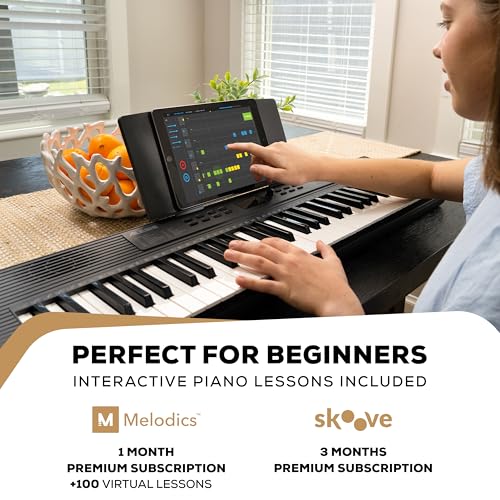
Match learning features to the student’s path: lesson-bound players should favor full-size keys, touch sensitivity, pedal support, metronome, duet/split mode, and simple recording over flashy demo songs; very young beginners may benefit from lighted keys, stickers, displays, or app guidance, but those aids should not replace proper fingering and reading practice. Check whether app features require a phone or tablet connection, whether learning modes can be turned off, and whether the keyboard’s key size matches what a teacher expects. Owner feedback reinforces this split: buyers like approachable starter instruments for kids and new learners, while also valuing weighted or touch-sensitive keys that make practice feel closer to an acoustic piano for beginners and returning players.
Features
The right features can make a keyboard easier to practice on and more enjoyable to use day to day, especially if you want built-in lessons, metronomes, recording, accompaniment styles, or light-up keys for guidance. Look for controls that are simple to understand, useful accessories like a stand, bench, headphones, or pedal if you need them, and enough functionality to support your goals without burying basics under confusing menus or novelty effects.
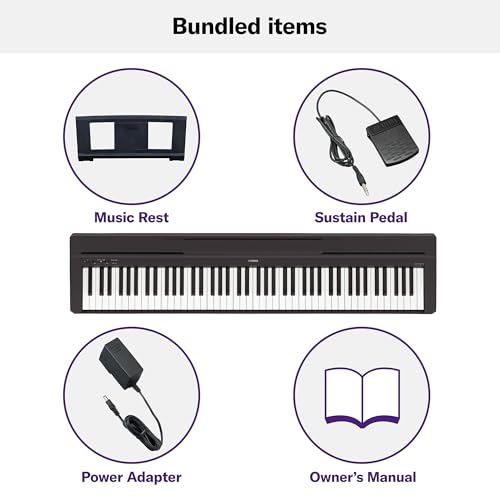
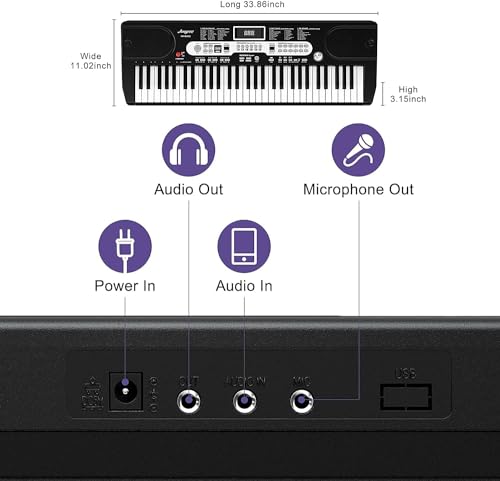
Choose features that remove real practice friction: included stand, bench or stool, music rest, headphones, sustain pedal, USB-MIDI, and simple setup are more useful than hundreds of sounds if they are stable and compatible. Inspect bundle accessories carefully: X-stands should lock securely, benches should suit the player’s height, pedals should not slide around, and headphone or microphone inclusions should be treated as starter extras rather than guaranteed long-term gear. Owners support this priority by praising ready-to-use kits with stands, stools, headphones, pedals, music rests, bags, lesson access, light-up keys, LCD screens, and beginner functions that help new players start quickly without many extra purchases.
Keys
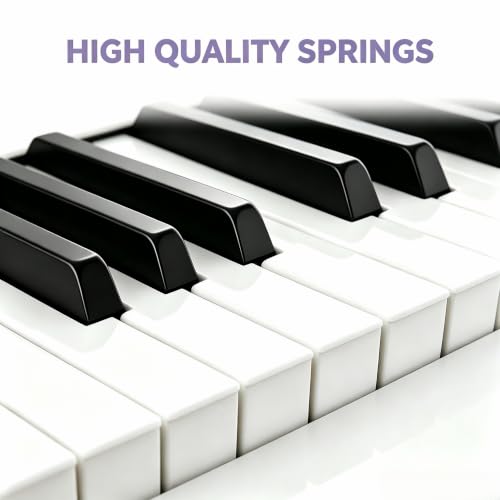
The keys determine how natural and controlled the keyboard feels under your hands, especially if you’re learning proper piano technique or moving between a keyboard and an acoustic piano. Look for full-size keys with enough resistance and responsiveness to support dynamics, and choose weighted or hammer-action keys if you want a more piano-like feel. Be cautious with very light, small, or springy keys, which can make practice less transferable and limit expressive playing.
Keys are the most important piano-specific decision: for serious piano lessons, choose 88 full-size keys with weighted hammer action if possible; for casual or very young beginners, full-size semi-weighted or touch-sensitive keys can work, but avoid mini keys or non-touch keys if the goal is transferable technique. Check for even key response, quiet mechanics, consistent velocity sensing, and enough resistance to build finger control without tiring small hands; also confirm that the action fits the player’s use, because organ-style springy keys can make later acoustic-piano transition harder. Owner sentiment strongly backs this: buyers repeatedly praise weighted, hammer-action, semi-weighted, and touch-sensitive keybeds that feel close enough to a real piano, help beginners learn proper control, and make returning players more satisfied with practice.
1,000,000+ shoppers use Buyer's Guide every week to find the best products and services online.

Helping millions of users make smarter purchases online.


