
Join the millions that have trusted BuyersGuide.org to help them make smarter buying decisions. Let our independent expert reviews and data-driven shopping recommendations help you find the one that's right for you.














We also considered 10 others:


Our Top Choice
Compare Features


Why These Features Matter:
An air purifier is one of those “adult purchases” you don’t brag about until you’ve lived with one through a week of wildfire haze, a renovation next door, or a partner who insists the dog absolutely cannot stay off the sofa. The good ones don’t just move air around — they quietly make your home feel less… dusty. Less sneezy. Less like last night’s salmon is haunting the curtains.
But the difference between helpful household object and giant humming cube you resent usually comes down to a handful of very unglamorous features: how loud it is on the setting you’ll actually use, how annoying the replacement filters are to buy and store, and whether it can live in your space without becoming a tripping hazard or an eyesore.
Filtration That Actually Matches Real Life (Not Just the Product Page)
You don’t need to memorize acronyms to buy a good purifier. You do need to know what you’re trying to get rid of.
- For everyday dust, pollen, and pet dander: Look for a true particulate filter (often labeled HEPA). This is the thing that helps with the visible “why is everything slightly beige” film on shelves and the invisible stuff that makes your nose itch at 2 a.m.
- For smoke (wildfire or “my neighbor is very into brisket”): You’ll want a purifier that can move a meaningful amount of air and has enough carbon to handle odor. Tiny carbon sheets are basically a polite suggestion.
- For “mystery smell” apartments: Carbon helps, but manage expectations. A purifier can blunt odors; it won’t undo a damp basement, a compost bin that’s gone rogue, or a litter box that needs a serious reckoning.
A lot of people buy an air purifier hoping it will solve “bad air” as a vibe. It helps more when you can name the villain (dust, smoke, pets, cooking) and choose accordingly.
Noise: The Setting You’ll Use Is the Setting That Matters
Most purifiers have a “turbo” mode that sounds like a hair dryer having a stressful day. That’s not the deal-breaker. The deal-breaker is when the medium setting — the one you’ll leave on while you work, sleep, or watch TV — has a whine that drills into your skull like a tiny dentist.
- What you want: A low mode that fades into the room (more soft whoosh than high-pitched buzz).
- What people regret: A unit that’s technically “quiet” but has a tonal hum. White noise is fine; a mosquito-frequency note is not.
- Real-life tip: If you’re noise-sensitive, you’ll end up running it lower than you should — which defeats the point. Prioritize a purifier you can tolerate at a higher everyday speed.
Size, Weight, and the Great Apartment Shuffle
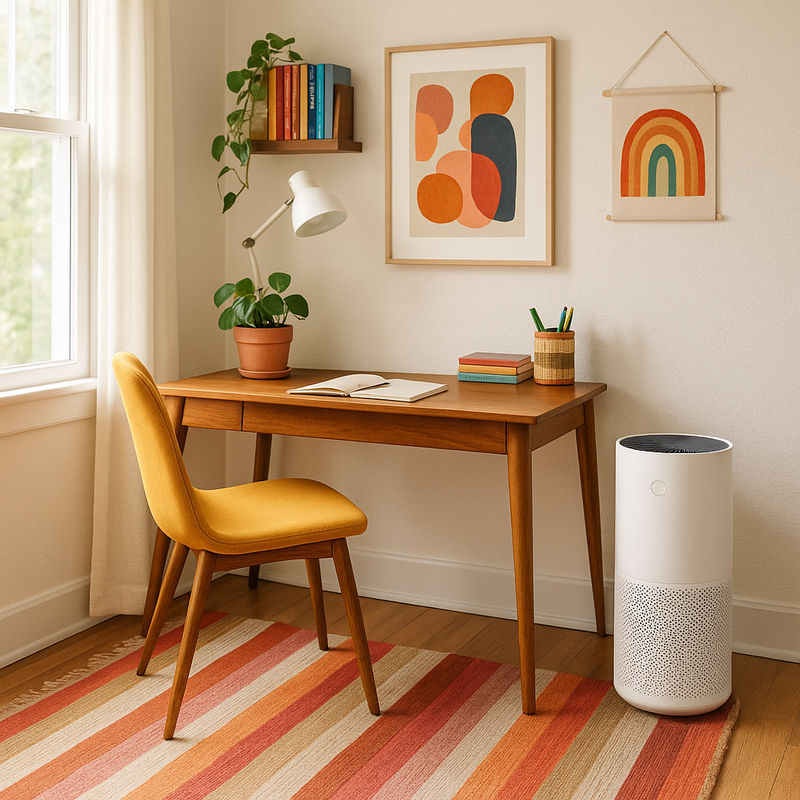
Air purifiers are like floor lamps: you think you’ll place it once and forget it, but you’ll move it constantly. Away from the dining chair. Closer to the bedroom. Out of the toddler’s reach. Back again because now the cord is in the cat’s favorite sprint lane.
- Small-space friendly: A footprint that doesn’t steal your only clear corner and a body you can actually lift without doing that awkward “bear hug and pray” maneuver.
- Nice-to-have: Handles that aren’t decorative. (Some are clearly designed by someone who has never carried anything heavier than a tote bag.)
- Annoying but common: Units that work best with clearance on all sides… in homes where every wall already has furniture pressed against it.
If your home is open-plan, one strong purifier in the main living area can make a noticeable difference. If you live in a warren of doorways (hello, pre-war apartments), you may be happier with smaller units in the rooms you actually occupy.
Filters: The Hidden Ongoing Relationship
Buying the purifier is the easy part. Living with the filter ecosystem is where things get real — and occasionally petty.
- Check availability: You want filters you can reliably find without having to scour a suspicious marketplace listing that ships from “somewhere.”
- Check cost (and frequency): A purifier with pricey filters can feel like buying a printer: cheap upfront, financially clingy forever.
- Storage reality: If you like to keep a spare filter on hand (recommended), consider where it will live. Some come in huge boxes that mock your already-full closet.
Small but telling detail: Filter-change indicators are useful, but they’re not omniscient. If your home is dusty, you have pets, or you’re in a smoky season, you’ll go through filters faster than the light suggests.
Controls You Won’t Hate at 1 a.m.
Everyone loves the idea of an app. No one loves setting up an app for a box that blows air — especially when the Wi‑Fi drops and your purifier starts blinking like it’s trying to contact a spaceship.
- What’s genuinely helpful: A clear physical control panel, a simple auto mode, and a display that can dim fully.
- What’s often annoying: Bright indicator lights that turn your bedroom into a tiny airport runway.
- Auto mode: Great when it’s well-tuned. Less great when it panics every time you toast bread and revs up dramatically like it’s fighting for your life.
If you do want smart features, make sure the purifier still functions perfectly without the app. The best “smart” devices are the ones you forget are smart.
Air-Quality Sensors: Helpful, but Don’t Treat Them Like Gospel
Sensors can be illuminating in a slightly horrifying way (“So that’s what happens when I fry garlic”). They can also be a little dramatic or a little clueless depending on what they’re measuring.
- Useful for: Seeing patterns — cooking spikes, cleaning-product spikes, smoke events — and letting auto mode do its thing.
- Not useful for: Settling debates about whether your home is “healthy” in some absolute sense.
- Reality check: If you’re mainly battling odors, a sensor may not “notice” them even when you very much do.
Design: It’s Furniture Now, Sorry
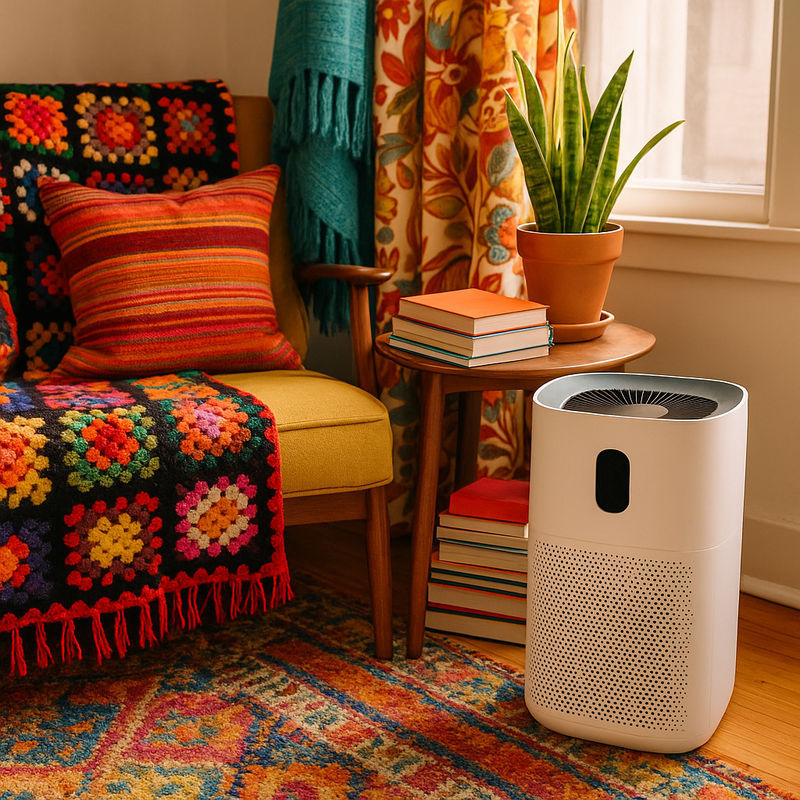
Air purifiers sit out. They’re not like the slow cooker you can exile to a cabinet. So yes, design matters — not in a “this matches my Scandinavian fantasy” way, but in a “will I resent seeing this every day” way.
- Better designs: Neutral, unfussy, easy to wipe down, with vents that don’t turn into lint museums.
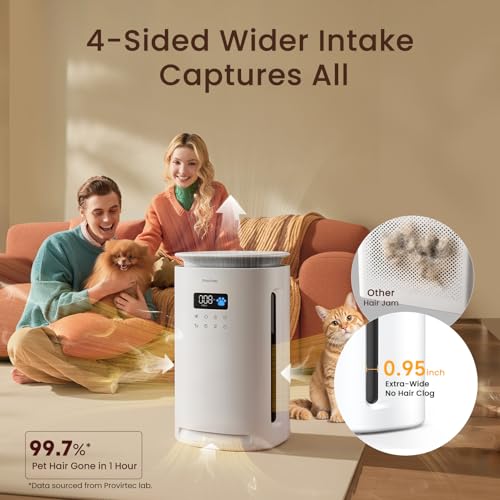
- Kid/pet reality: Buttons that can be locked, stable bases that won’t tip when a dog barrels through, and grills that don’t collect fur like Velcro.
- Minor annoyance: Glossy finishes. They show fingerprints instantly, which is deeply rude for an appliance meant to make things feel cleaner.
Maintenance: The Part No One Posts About
Most people imagine “set it and forget it.” The truth is more like “set it, forget it, then remember when you notice the airflow feels tired.”
- Easy wins: A pre-filter you can vacuum or rinse (especially if you have pets or live near a busy street).
- Less fun: Units with awkward filter doors that require you to wrestle the plastic like you’re opening a stubborn jar.
- Pro tip: Put a calendar reminder for filter checks. Not changes — checks. You’ll catch buildup before your purifier turns into an expensive fan.
How to Choose for Your Space (A Practical Cheat Sheet)
- Studio / small bedroom: Prioritize quiet low-to-mid settings and a small footprint you can tuck near a wall without hating your life.
- Open living room: Go for higher airflow capacity and a design you can tolerate seeing next to your sofa. If it’s too ugly, it’ll migrate to the hallway and become décor-adjacent instead of useful.
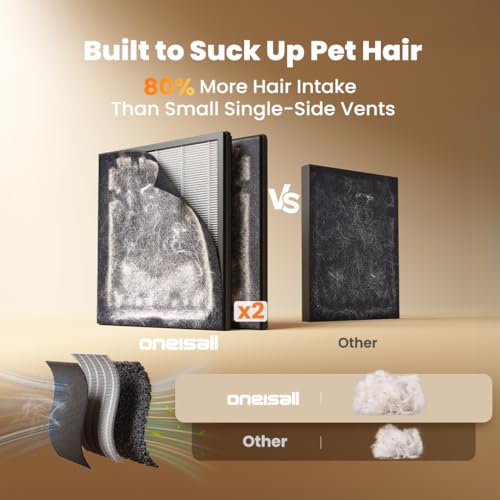
- Pets: A robust pre-filter is your best friend. You want something that can handle fur without eating expensive filters for breakfast.
- Smoke-prone areas: Look for meaningful odor filtration (carbon that isn’t just a token layer) and enough power that you’ll actually feel a difference after a few hours.
- Light sleepers: A genuinely quiet mode + full display dimming. If it has a “sleep mode” that still glows, it’s not sleep mode; it’s mood lighting you didn’t ask for.
Honest Caveats (Because You’re Not Buying Magic)
- It won’t replace ventilation. If you can crack a window safely (wildfire smoke aside), do it. Purifiers help; fresh air still matters.
- Placement is fussy. Shoving it behind a chair because it’s “less visible” will also make it less effective. Air needs room to move.
- You may need more than one. Especially in homes with closed doors and separate bedrooms. Air doesn’t teleport through walls just because you bought a nice machine.
- Odors are complicated. If the smell is coming from a source (trash, mildew, litter), you’ll need to address the source. A purifier is a helpful assistant, not a cleanup crew.
The Bottom Line
The “best” air purifier is the one you’ll actually run — not the one with the most impressive stats buried three scrolls deep on a product page. Look for something quiet enough to live with, powerful enough to matter, and simple enough that you won’t rage-quit during filter changes. If it fits your space and your tolerance for cords, lights, and maintenance, it’ll do what a good home product should: make your day feel a little easier, and your air feel a little less like it’s carrying secrets.
1,000,000+ shoppers use Buyer's Guide every week to find the best products and services online.

Helping millions of users make smarter purchases online.

