


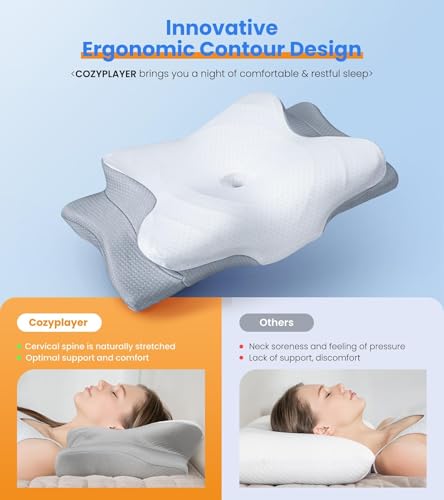


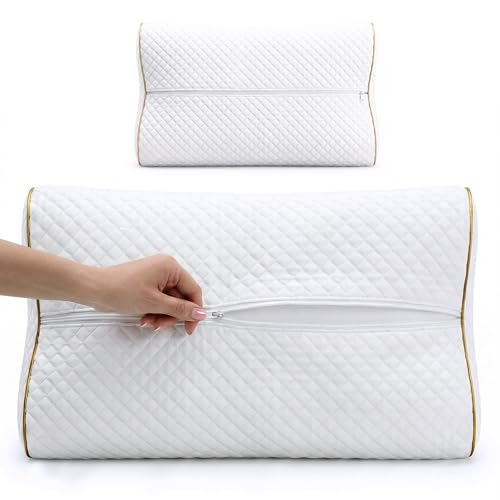


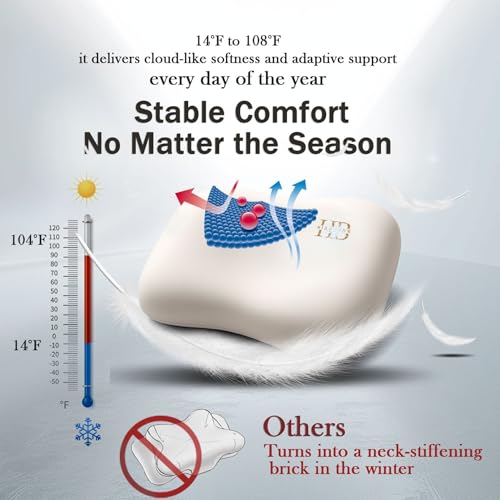


Our Top Choice
The order above is not editorial opinion, and it is not paid placement. It comes from what shoppers across our network actually do - which orthopedic pillows they compare, and which they ultimately buy, together with the product traits and the commercial relationships that keep this site free. We re-rank as new data comes in, so the long-term favorites have to keep earning their spot against new entrants. The full method, including how we make money.
Orthopedic Pillows Buyer's Guide
Orthopedic pillows are not just “more supportive” regular pillows: the right one has to match your sleep position, body proportions, and pain pattern without forcing your neck, hips, or spine into a new strain point. The sharpest buying concerns are adjustable height/firmness, shape retention, and whether the pillow actually stays positioned where the joint or curve needs support.
Quality
A well-made pillow should use materials that feel durable, hold their shape, and suit your comfort needs without clumping, flattening, or developing persistent odors. Look for solid construction, easy-care covers or washable designs, and clear upkeep instructions, and be cautious of pillows that lose loft quickly or require more maintenance than you’re willing to do.
Prioritize orthopedic pillows with resilient foam or fill that rebounds after compression, a removable washable cover, and construction that keeps contours from collapsing; avoid pillows that feel plush at first but cannot maintain loft, because lost height can undo neck or joint alignment. For memory foam, check that it fully expands after unpacking and does not feel crumbly, flimsy, or uneven along the support zones. Owner feedback supports this: buyers often praise well-made pillows that expand quickly, hold their shape better than regular pillows, feel soft but substantial, and include washable covers for everyday use.
Comfort
A pillow’s comfort directly affects how rested you feel, so choose one that keeps your head and neck supported without creating pressure or forcing you into an awkward angle. Look for the right mix of loft, firmness, and fill for your sleep position, and watch out for materials that trap heat if you tend to sleep warm or rely on cooling for better sleep quality.
For orthopedic comfort, look for adjustability before softness: removable layers, adjustable fill, or a contour that suits your sleep position will matter more than a hotel-pillow feel. Side sleepers usually need enough loft to fill the shoulder-to-neck gap, back sleepers need lower cervical support without chin-tucking, and stomach sleepers should be cautious with tall or aggressive contours. Owners commonly report better sleep once height or fill is dialed in, with many describing softer, cushiony comfort that still keeps the head and neck positioned well.
Support
Support matters because the right pillow helps keep your head, neck, and spine aligned, which can reduce pressure points and sleep-related aches. Look for a shape, loft, and firmness that match your sleep position and body needs, whether that’s stronger neck support, cushioning between the knees, or extra support during pregnancy. Watch out for pillows that feel comfortable at first but let your head sink too far or push it too high, since both can lead to stiffness or pain.
Support should be judged by alignment, not firmness alone: the pillow should keep the neck neutral, shoulders unloaded, or knees/hips separated without creating pressure at the ear, jaw, shoulder, hip, or knee. If buying for sciatica, hip pain, or side-sleeping knee alignment, check that the pillow is long or stable enough to support the intended area rather than slipping out overnight. Owner sentiment strongly backs support as a key win, with many buyers reporting less neck, shoulder, back, hip, knee, or sciatica discomfort and fewer aches after switching.
Feel
The feel of a pillow affects how well your head and neck are supported, so pay close attention to softness, firmness, loft, and overall thickness. Look for a pillow that keeps your neck aligned with your spine in your usual sleep position, and watch out for options that feel too flat to support you or too full and firm to let you relax comfortably.
Choose the feel based on your tolerance for pressure and your need for correction: too-soft pillows can let the head sink out of alignment, while too-firm contours can feel intrusive or create pressure points. Adjustable fill or removable layers are safer for uncertain buyers because they let you fine-tune loft and firmness after a few nights; also watch for long-term flattening, which is especially problematic in an orthopedic pillow. Owners often like a soft-cushiony yet supportive balance, but firmness is a recurring preference issue, and some report pillows becoming too flat over time.
Function
A pillow should support your head and neck in the position you actually sleep in, not just feel comfortable for a few minutes in a store or online description. Look for one that keeps its shape through the night, stays stable as you shift, and works with your mattress and sleep style; watch out for pillows that flatten quickly, bunch up, or force your neck into an awkward angle.
Match the pillow’s function to the specific body region you are trying to position: cervical pillows should support the neck curve without propping the head too high, knee pillows should separate the thighs and knees enough to level the hips, and multipiece designs should hold a stable angle for bed or couch use. For side sleepers especially, confirm size and stay-in-place behavior, because a knee or leg pillow that is too small may not support from thigh to knee and can shift during the night. Owner feedback shows these functional designs can improve alignment and morning stiffness, though size, firmness, bulk, and staying in place vary by sleeper.
Value
Value matters because a pillow that feels good at first can still be a poor buy if it flattens quickly, loses support, or needs replacing sooner than expected. Look for a balance of comfort, durability, materials, and adjustability that matches how you sleep, and be wary of paying more for features that do not improve your nightly support or long-term satisfaction.
Judge value by adjustability, durability, and correct fit rather than by plushness alone; an orthopedic pillow is only a good buy if it can be tuned to your position and maintain support over months of nightly compression. Features that improve value include removable layers or fill, washable covers, full-size usable dimensions, and foam that keeps its shape. Owners often describe supportive, adjustable, well-packaged pillows as worthwhile purchases, especially when they outperform more basic pillows in comfort and shape retention.
1,000,000+ shoppers use Buyer's Guide every week to find the best products and services online.

Helping millions of users make smarter purchases online.


