





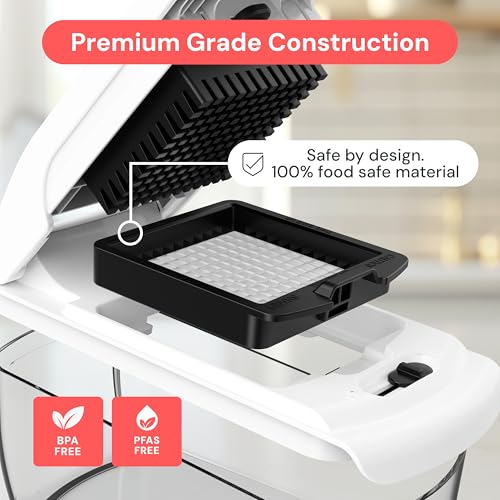


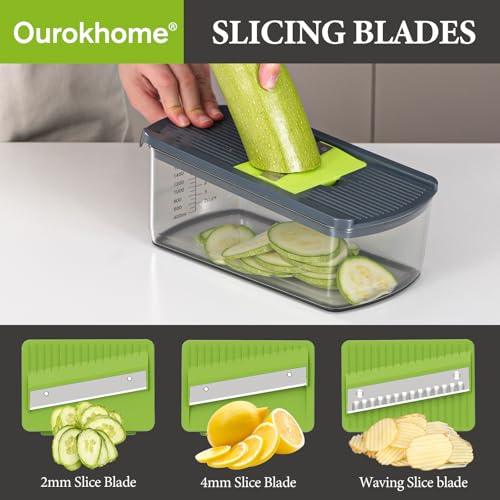

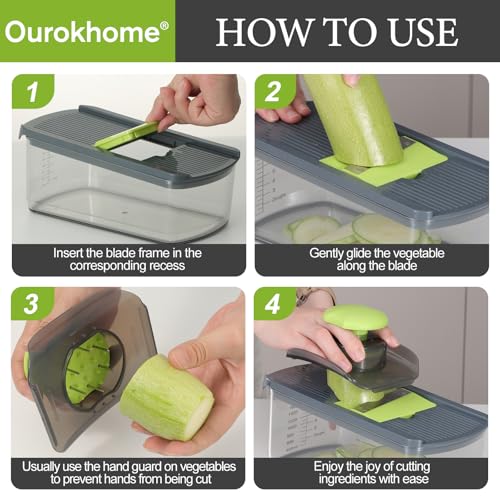


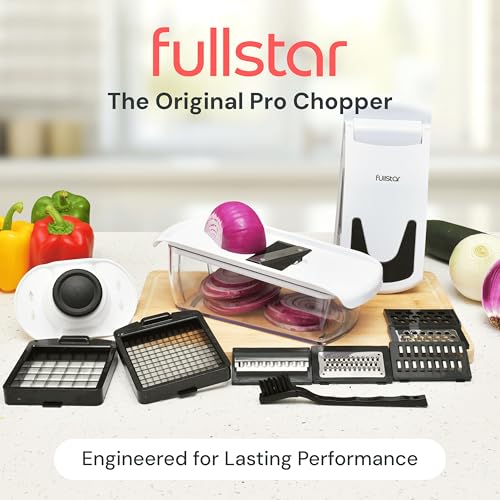




We also considered 10 others:


Our Top Choice
The order above is not editorial opinion, and it is not paid placement. It comes from what shoppers across our network actually do - which onion slicers they compare, and which they ultimately buy. We re-rank as new data comes in, so the long-term favorites have to keep earning their spot against new entrants. The full method, including how we make money.
Onion Slicers Buyer's Guide
Onion slicers have to balance speed and uniform cuts against the realities of sharp grids, wet onion layers, and cleanup around small crevices. The best choice for this niche is not just “sharp”; it should hold an onion securely, drive it cleanly through the blade without wobble, and come apart enough to remove trapped bits safely.
Cut Quality
Onions separate into slippery layers, so weak or uneven blades can mash, tear, or leave attached pieces instead of producing clean cuts. A good slicer should create consistent slices or dice with controlled force, because uneven cutting affects cooking time and texture.
Look for stainless cutting grids or blades that are visibly fine-edged, replaceable if possible, and matched to the cut size you actually use: thin slices for salads and toppings, larger dice for soups and sautés, or wedge-style cuts for bulk prep. Avoid designs where the onion has to be forced through a dull grid, because that increases slipping, crushing, and hand strain; very sharp blades are desirable, but they should come with safe handling points or a cleaning pick so you are not brushing the edge with your fingers. Owner feedback strongly supports cutting performance as the core separator: buyers praised tools that quickly made uniform fries, dice, or slices with little effort, especially on onions, peppers, beets, potatoes, and other produce. Sentiment was less uniform on blade sharpness, so it is worth checking whether the cutting plates are known for arriving sharp and staying effective.
Stability
Onion slicing often requires a sudden downward push, and a flimsy tool can flex, skid, or twist at the worst moment. Stability matters for both cut consistency and safety, especially when prepping several onions in a row.
Prioritize a rigid frame, non-slip feet or a clamp-style base, and a hinge or lever that does not rack sideways when you press through a dense onion half. For bulk prep, a heavier restaurant-style body can be safer and less tiring than a lightweight gadget, but only if it fits your counter and storage space. Avoid slicers that rely on a narrow base or thin plastic near the hinge, since onions, potatoes, and apples can all expose weak spots. Owners repeatedly valued sturdy, stable builds that gave them confidence during larger batches, and heavy-duty prep tools were described as time-saving and restaurant-style rather than fragile countertop novelties.
Prep Speed
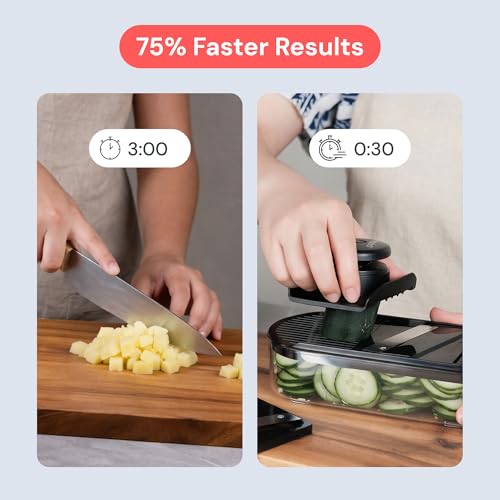
A slicer only saves time if loading, pressing, and repeating the cut are faster than using a knife. For onion prep, the motion should be intuitive and should not require awkward pre-cutting beyond trimming, peeling, and sizing the onion to the chamber.
Choose a chamber and pusher sized for the onions you normally buy; if the opening is too small, you will spend extra time quartering onions before the slicer helps. A long lever, guided pusher, or well-aligned press plate reduces effort and keeps onion halves from tipping sideways as they meet the grid. For weeknight cooking, the slicer should be easy to grab, assemble, and use for one or two onions; for batch cooking, it should reset quickly without constant clearing. Owner sentiment backs this heavily: shoppers liked tools that were straightforward to assemble, steady on the counter, easy to reach for during cooking, and noticeably faster for meal prep and routine hand chopping replacement.
Cleanup
Onion layers and juice can lodge in blade grids, push rods, and corners, where they cause odor and make the tool unpleasant to reuse. Easy cleaning is especially important because the sharpest parts are also the hardest places to scrub safely.
Look for removable cutting plates, open-grid construction, included cleaning combs, and dishwasher-safe parts where appropriate; a pusher with many small teeth should align cleanly with the grid and release debris without picking at it by hand. Avoid designs with enclosed seams, fixed blade plates, or deep push-rod channels that trap onion skins and pulp. Because onion smell lingers, smooth nonporous surfaces and fast disassembly matter more here than they might for dry foods. Owner feedback was mixed: some found setup, cleanup, and repeat use easy, while others said food could lodge in the cutting plate and push rods even when cleaning tools were included.
Safety
Onion slicers combine force with exposed blades, so small safety details make a major difference. Good control reduces the chance of slipping during the press and protects hands during blade changes and washing.
Favor models that keep fingers away from the cutting surface with a full pusher, stable handle path, and secure blade locking; blade plates should not flex loose when an onion resists. If interchangeable grids are included, check that there is a safe way to lift and store them, because loose sharp plates in a drawer are a common cut hazard. Wet onions can make hands and counters slick, so non-slip feet, a broad base, and dry-grip handles are safety features, not conveniences. Owners noted that many cutting grids are sharp enough to require real caution, and they also praised stable builds that made them feel more confident during prep.
Versatility
The right onion slicer earns its space by doing the cuts you repeat most often without turning into a hard-to-clean specialty tool. Versatility is valuable when it expands real prep options, but unnecessary attachments can add clutter and cleaning burden.
Match the included grids to your cooking: fine dice for salsa and mirepoix, medium dice for stir-fries and soups, slicing inserts for sandwiches or salads, and sturdier grids if you also want to process potatoes or apples. Do not overbuy a large multi-attachment unit if you mainly slice one onion occasionally; but if you batch cook, meal prep, or avoid hauling out a food processor, a more capable manual chopper can be worthwhile. The owner evidence supports this tradeoff: buyers liked versatile tools that handled many prep jobs without needing a full food processor, and those who prepped lots of vegetables or fruit felt easy setup, cleanup, and repeat use made the purchase worthwhile.
1,000,000+ shoppers use Buyer's Guide every week to find the best products and services online.

Helping millions of users make smarter purchases online.


