





















We also considered 10 others:


Our Top Choice
The order above is not editorial opinion, and it is not paid placement. It comes from what shoppers across our network actually do - which oil misters they compare, and which they ultimately buy. We re-rank as new data comes in, so the long-term favorites have to keep earning their spot against new entrants. The full method, including how we make money.
Oil Misters Buyer's Guide
Oil misters have to do two opposing jobs well: atomize viscous cooking oil into a light coat, yet stay sealed and tidy between uses. The best choice is the one that gives controlled coverage for pans, air-fryer baskets, salads, and finishing without turning into a leaky countertop bottle or a narrow-purpose gadget.
Spray Control
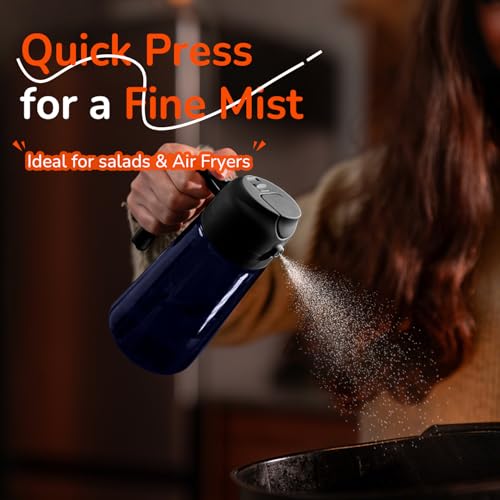
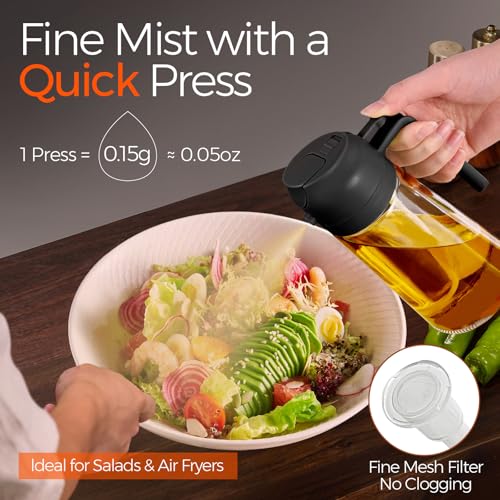
Spray quality is the main reason to buy an oil mister instead of using a standard bottle. A good mister spreads oil thinly and predictably, which helps with pan coating, air frying, roasting, and dressing without over-oiling food.
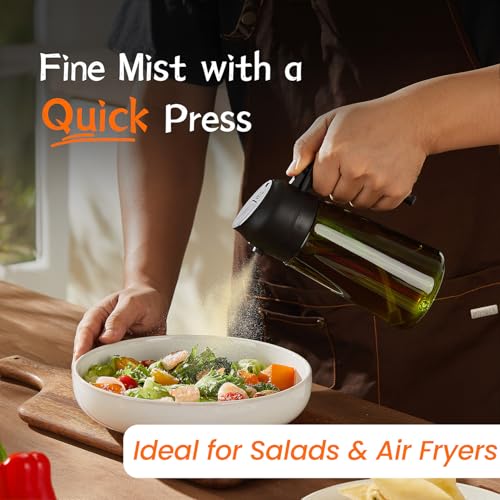
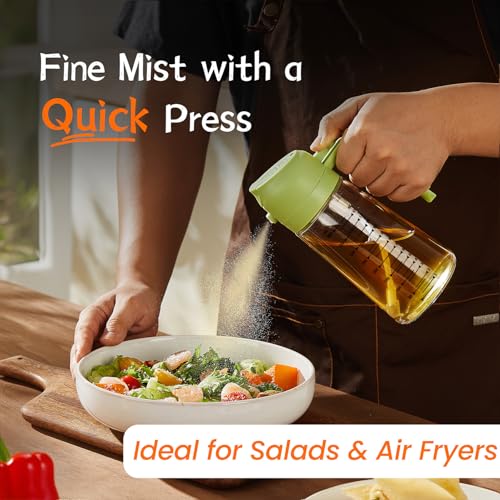
Prioritize a mister that produces a fine, even fan or cone rather than a hard jet, heavy droplets, or a narrow squirt. For cooking, the trigger or pump should let you control short bursts for a pan and longer sprays for an air-fryer basket, and it should work with common cooking oils without requiring excessive hand force. Owner feedback strongly supports this as the make-or-break feature: shoppers praised controlled, even misting, light coverage, and better control over how much oil reaches food or cookware.
Spray & Pour
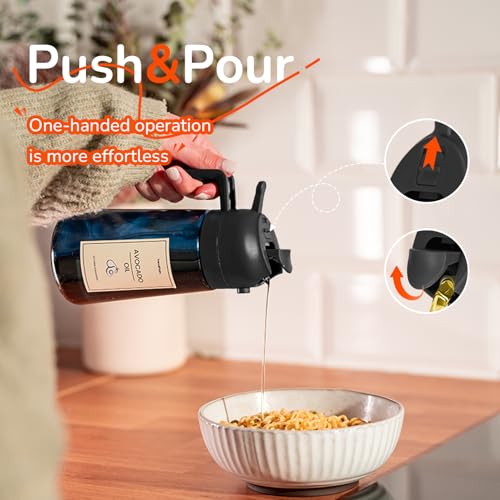
Many cooks need both a light mist and a normal drizzle in the same prep session. A dual-use dispenser saves counter space only if each mode works cleanly and does not compromise the other.
Look for clearly separated spray and pour paths, a spout that drizzles without glugging, and controls that make it obvious whether you are misting, streaming, or pouring. This matters for niche tasks: misting oil on vegetables before air frying, pouring into a skillet, and drizzling over salads all require different flow rates. Owner sentiment repeatedly favored 2-in-1 designs that could mist, stream, or pour from the same bottle, especially when the change between tasks felt convenient in everyday cooking.
Leak Control
Oil is thin enough to creep through weak seals yet sticky enough to make every drip noticeable. A mister that sprays well but seeps around the cap, spout, or trigger quickly becomes messy to store and unpleasant to handle.
Check for tight cap threading, a gasketed seal, a spout that returns oil cleanly, and a top assembly that does not wobble when pumped or poured. Avoid designs with poorly supported plastic tops, loose collars, or pour lips that leave oil running down the side, because even small leaks collect dust and make the bottle slippery. Owner reports were split here: some bottles stayed tidy, while others slowly seeped or dripped after pouring, making leakage and durability the clearest reservations despite otherwise positive impressions.
Fill & Clean
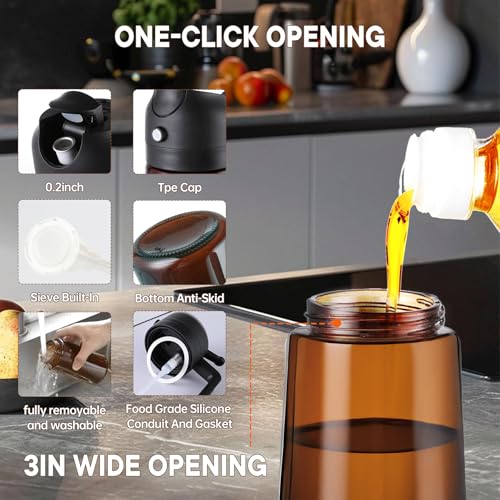
Oil misters are refilled often, and residue can build up around sprayers, caps, and spouts. Easy filling and cleaning reduce mess and help the spray mechanism stay usable over time.
Choose a wide-mouth bottle that can be filled without a tiny funnel, and prefer simple parts that can be rinsed or wiped around the cap, tube, and spout. For thick or flavored oils, cleanability matters even more because residue can gum up the spray path or leave stale odors. Owners specifically appreciated bottles that were straightforward to fill, clean, and use, with wide openings and simple controls helping reduce mess during regular kitchen use.
Size & Handling
An oil mister should hold enough oil for frequent cooking without becoming bulky or awkward. The right size balances fewer refills with easy one-handed handling near a hot pan or crowded prep area.
Pick a capacity that matches how often you cook, but do not assume bigger is better: a tall or overfilled bottle can be harder to grip with oily hands and less stable near the stove. A practical oil mister should feel balanced when spraying, pouring, and setting down, with a shape that fits your counter or cabinet. Owner feedback favored bottles that held a good amount of oil without feeling too large or awkward, and practical sizing was part of what made some sets feel useful for frequent cooking.
Look & Labels
Oil misters often live on the counter because they are used during daily cooking. Materials, visibility, and labeling affect both how pleasant they are to use and how easy it is to tell oils apart.
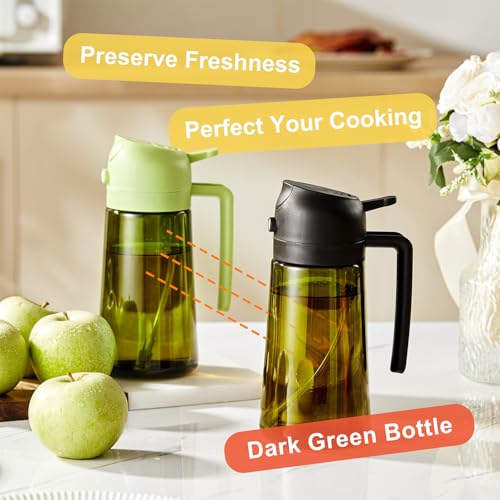
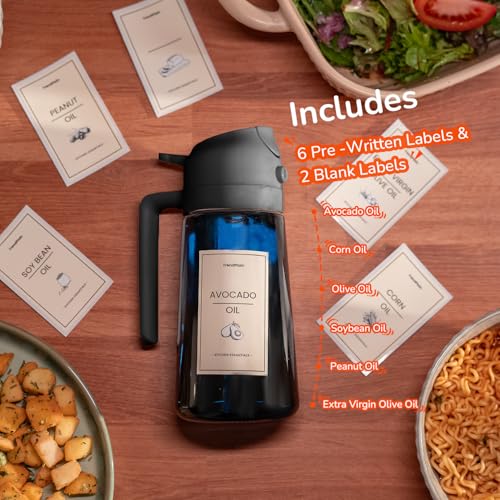
For countertop use, look for sturdy glass or another food-safe body that lets you monitor fill level, plus labels if you keep multiple oils such as olive, avocado, or neutral cooking oil. A clean-looking bottle is not just cosmetic: if it is attractive enough to leave out, you are more likely to use it instead of defaulting to over-pouring from a large container. Owners liked sturdy glass designs, clean counter-friendly looks, and included labels, and some saw the combination of useful features, capacity, and labeling as a strong value signal.
1,000,000+ shoppers use Buyer's Guide every week to find the best products and services online.

Helping millions of users make smarter purchases online.


