

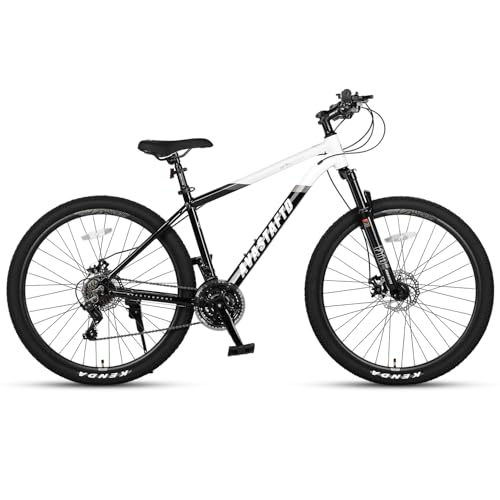





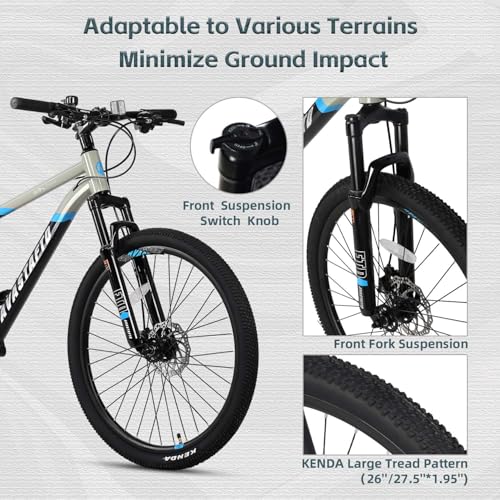


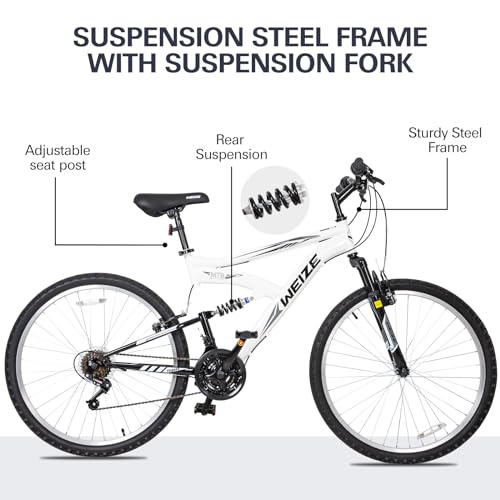


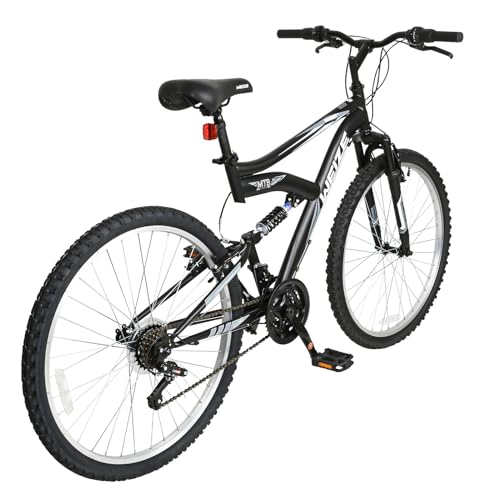






We also considered 10 others:


Our Top Choice
The order above is not editorial opinion, and it is not paid placement. It comes from what shoppers across our network actually do - which mountain bikes they compare, and which they ultimately buy. We re-rank as new data comes in, so the long-term favorites have to keep earning their spot against new entrants. The full method, including how we make money.
Mountain Bikes Buyer's Guide
Mountain bikes in this shopper niche sit between affordable everyday transportation and true trail equipment, so the key tradeoff is casual-use value versus control and durability when the surface gets rough. The sharpest concerns are whether the bike arrives straight and tuneable, and whether the brakes, shifting, fit, and battery if electric match the riding you actually plan to do.
Terrain Fit
A mountain bike that feels great on paths and mild trails can be the wrong tool for steep, technical, or high-impact riding. Fit also matters because poor sizing makes climbing, braking, and handling harder, even if the components are acceptable. Careful shoppers should judge the bike against the terrain and rider, not just the category name.
Start by matching the bike to the riding you will actually do: paved commuting, gravel paths, parks, and easy trails call for a different build than rocky descents, jumps, or repeated hard trail impacts. For starter mountain bikes, prioritize correct frame size, standover clearance, comfortable reach, appropriate wheel size for your height and terrain, and gearing low enough for hills; avoid assuming knobby tires and front suspension make a bike ready for aggressive mountain use. Owner feedback supports this distinction: riders often liked these bikes for casual riding, commuting, daily rides, mild hills, parks, easy trails, and basic transportation, while sentiment also warns that beginner-friendly performance is not the same as durability under demanding mountain-bike abuse.
Build Reliability
Mountain bikes experience twisting loads, vibration, dirt, and braking forces that expose weak assembly and low-grade parts quickly. Even for casual riding, a bike that will not stay aligned or tight can become unsafe and frustrating. Build reliability is especially important when buying a starter bike because small component compromises may not show up until after a few rides.
Inspect the frame, fork, wheels, crank, bars, derailleur hanger, and brake mounts for straightness before serious riding, especially if the bike ships partially assembled. In this category, early problems often come from loose hardware, bent or misaligned parts, wheels that need truing, brakes that rub, or shifting that will not index cleanly; these issues can turn a budget-friendly bike into a repair project. Owners praised some bikes as solid, well made, rugged, and good quality, but the strongest watch-for was uneven durability, with reports of replacements, repairs, loose-feeling parts, early tire or brake issues, and quality-control problems such as bent or misaligned components.
Brake & Shift
Control on a mountain bike depends heavily on predictable stopping and clean shifting under load. Poor brake or shifter setup can make hills, traffic, and loose surfaces feel unsafe even when the frame itself is adequate. These systems are also common places where shipped bikes need tuning before the first real ride.
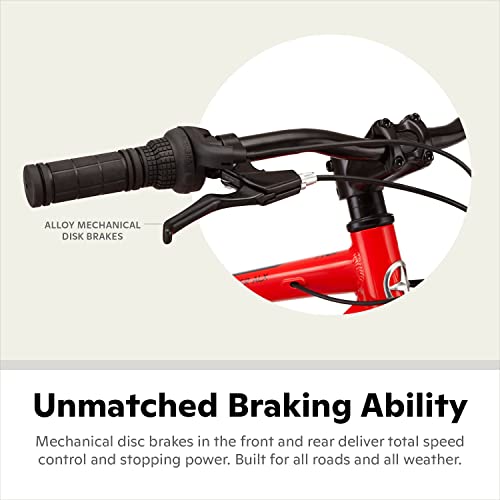
Look for brakes that engage smoothly without rubbing, squealing excessively, or requiring the lever to pull to the bar, and gears that shift across the full range without skipping, grinding, or dropping the chain. Disc brakes can be useful on dirt and wet paths, but only when the calipers are aligned, rotors are straight, and cables or hydraulics are properly adjusted; similarly, a rear derailleur must be indexed and protected from shipping damage. Owner sentiment repeatedly points to braking and gear shifting as key failure modes: some riders found core parts and disc brakes worked fine, while others had brake-related problems, shifting reliability concerns, or needed extra adjustment before the bike felt dialed in.
Ride Comfort
Mountain-bike comfort is not just about a soft seat; it is about how the whole bike handles bumps, turns, climbs, and longer rides. Good ride quality helps beginners build confidence and keeps casual riders from abandoning the bike. Handling should feel stable and predictable rather than merely cushioned.
For casual trail and commuter use, prioritize a stable riding position, grips you can hold comfortably, a saddle you can tolerate or easily replace, tires suited to your surface, and suspension that smooths chatter without feeling loose or pogo-like. A bike that is too heavy, twitchy, harsh, or awkwardly sized will discourage riding even if it looks trail-ready; conversely, a smooth-feeling starter bike can be a good choice when the goal is fitness, neighborhood rides, campus use, or mellow dirt paths. Owners frequently described the ride as smooth, light, dependable, and comfortable enough to keep using, with some putting in miles without complaints, which makes ride quality one of the clearest positives in the sentiment.
Setup Tuning
A shipped bike may be easy to put together but still need tuning to be safe and pleasant to ride. The difference between “assembled” and “dialed in” is especially important for brakes, shifting, steering, and wheels. Buyers who are not comfortable adjusting these systems should account for a professional check before regular use.
Expect partial assembly, then plan for a safety check: torque the stem, handlebar, seatpost, pedals, crank, axle nuts or skewers, and brake hardware; inflate tires to the correct range; verify wheel alignment; and test brakes and shifting before riding at speed. Included tools, instructions, and videos can make setup quick, but mountain bikes are less forgiving than simple cruisers if the front wheel, brake caliper, handlebar, or derailleur is installed or adjusted poorly. Owner reports say assembly is often straightforward, sometimes quick and helped by clear instructions or video resources, but several notes also show the experience depends on arrival alignment and that brake and shifter setup may require extra adjustment.
Real Value
Value in this category comes from getting the right capability without paying later for avoidable repairs or upgrades. Starter bikes can be excellent when expectations match casual use, but hidden tuning and replacement needs change the real cost. Electric models add another ownership variable because range and charge reliability affect daily usefulness.
Compare value by looking beyond the initial deal: frame fit, serviceable brakes and drivetrain, replaceable tires, battery support if electric, and whether the bike can be tuned instead of discarded when parts wear. A low-cost starter mountain bike can be a smart buy for commuting, fitness, and easy trails, but it is poor value if it quickly needs wheels, brakes, shifters, tires, or battery work that exceeds the bike’s intended use. Owners strongly liked the price-to-performance balance and often felt they got more bike than expected, yet sentiment also frames some options as decent budget bikes with small issues rather than flawless bargains; for e-bike variants, battery life and range were mixed, with some useful range but some reports of batteries not holding charge reliably.
1,000,000+ shoppers use Buyer's Guide every week to find the best products and services online.

Helping millions of users make smarter purchases online.


