












We also considered 10 others:


Our Top Choice
The order above is not editorial opinion, and it is not paid placement. It comes from what shoppers across our network actually do - which mold testing kits they compare, and which they ultimately buy. We re-rank as new data comes in, so the long-term favorites have to keep earning their spot against new entrants. The full method, including how we make money.
Mold Testing Kits Buyer's Guide
Mold testing kits are best treated as screening tools: they can help locate suspect areas, but they do not replace moisture investigation or professional assessment when health, hidden damage, or major remediation is involved. The sharpest tradeoff is convenience versus confidence—simple DIY plates and swabs are useful only when the kit provides enough sampling coverage, clear handling steps, and credible interpretation support.
Sampling Coverage
Mold testing kits differ most in what they can sample and how many comparisons they allow. Coverage matters because a careful home check often needs more than one location or sample type to separate a likely source from normal background exposure.
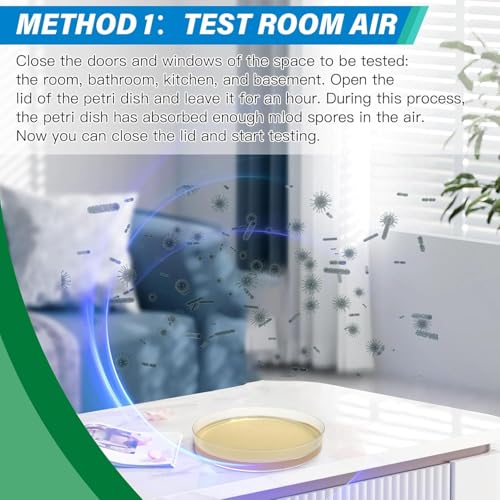
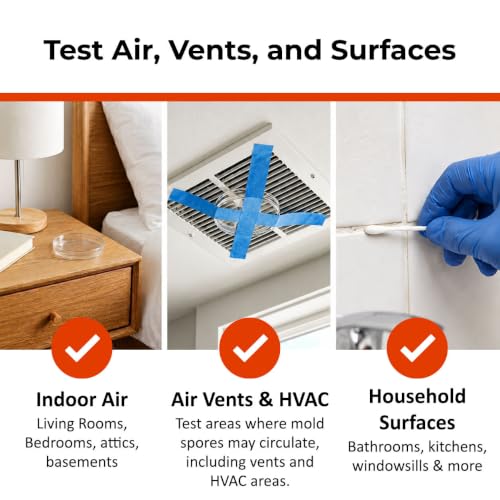
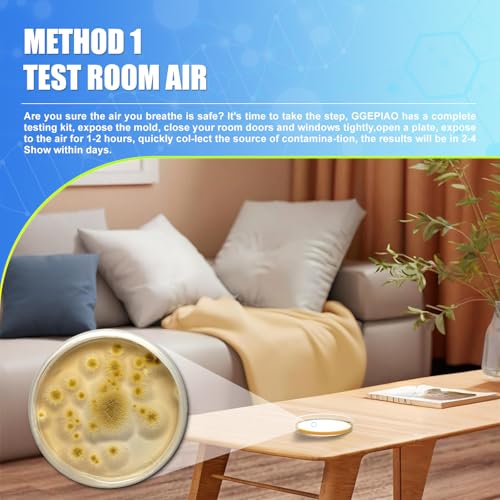
Choose a kit that matches where you need to investigate: room air plates for comparing spaces, surface swabs for visible staining or suspect materials, and HVAC-oriented instructions for vents or returns without putting anything into moving equipment. For multi-room homes, look for enough plates to test suspected areas plus a cleaner comparison area; a single plate is weak for source hunting because mold spores are common and context matters. Owner feedback strongly favors kits that include plates, swabs, gloves, and directions for air, surface, and HVAC-style checks, and buyers repeatedly found multi-room and surface testing useful for a first look at possible problem areas.
Clear Protocol
DIY mold tests are only as useful as the sample collection process. Good instructions reduce contamination, mislabeled samples, and uncertainty about whether a weak or heavy result reflects the home or the way the test was run.
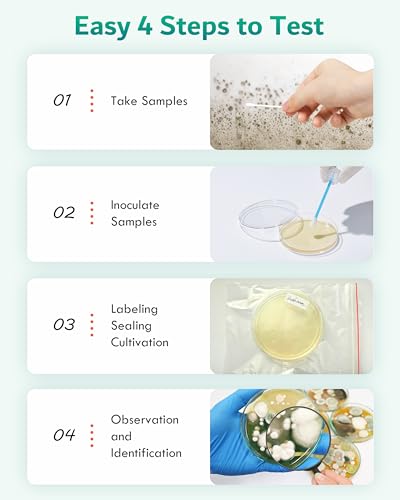
Prioritize clear, illustrated instructions that explain sterile handling, exposure time, labeling, incubation conditions, and when not to touch or reopen a plate after growth appears. Avoid vague kits that do not tell you how to prevent cross-contamination, how long to expose air samples, or how to document which plate came from which room. Owners consistently praised kits that made the process feel manageable without science experience, especially when directions were readable, comprehensive, and paired with basic accessories such as gloves.
Result Confidence
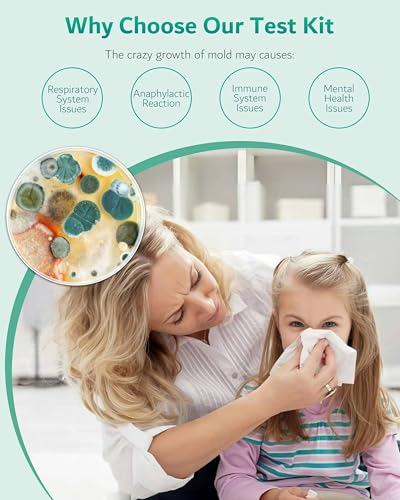
Visible growth confirms that something grew under the kit conditions, but it does not automatically explain severity, source, or health risk. Stronger interpretation tools help shoppers move from “there is growth” to a more useful understanding of whether more investigation is needed.
For identification, look for more than a color chart: photo review, a mold-image booklet, or optional lab confirmation can make colonies easier to interpret. Treat home identification as screening, not a medical or building-clearance verdict; use multiple samples and professional follow-up when results affect health decisions, rentals, insurance, or major remediation. Owner sentiment strongly supports photo-based analysis and email follow-up as fast and helpful, while mixed feedback notes that confidence can drop when interpretation lacks indoor/outdoor comparisons or lab support.
Growth Timing
Turnaround matters because mold concerns often involve active leaks, odors, symptoms, or decisions about cleanup. Reliable timing instructions help prevent both false reassurance from early negatives and overreaction to results that need the full incubation period.
Check the stated incubation window and choose a kit that explains what to do if growth appears early, late, or not at all. A no-growth plate should not be treated as proof that a home is mold-free, especially if sampling was limited, humidity varied, or the suspected issue is hidden inside walls or HVAC components. Owners often reported visible growth within a few days, but there were also watch-outs about inconsistent growth timing and doubt when little or no growth appeared.
Next Steps
Mold testing is rarely the final task; it is usually a decision point. Guidance matters because the safest response depends on moisture source, affected material, size of the problem, and whether the result is merely a screening clue or a reason for deeper inspection.
A good mold kit should help you decide the next practical step: dry the area, reduce humidity, clean small nonporous surfaces safely, inspect for leaks, or call in a qualified professional for hidden or widespread contamination. Look for kits that explain result patterns and source-finding, not just whether colonies appeared. Owner feedback highlights the value of follow-up guidance that explains results and offers practical next steps for cleaning, dehumidifying, prevention, and locating possible mold sources.
True Value
The cheapest-looking kit is not always the most economical if it cannot cover enough rooms or leaves interpretation unresolved. Value in this category comes from useful samples, clear answers, and support that reduces the chance of needing to start over.
Compare what is included before buying: number of plates, swabs, gloves, guides, identification help, and whether analysis requires mailing, extra service steps, or separate fees. Kits can be a sensible first check before a more formal inspection, but the real value drops if you need additional samples or paid identification to answer the question you actually have. Owners often described complete DIY kits with included analysis or support as strong value, while mixed feedback warned that mailing, lab identification, or service issues can add frustration after testing.
1,000,000+ shoppers use Buyer's Guide every week to find the best products and services online.

Helping millions of users make smarter purchases online.


