
















We also considered 10 others:


Our Top Choice
Compare Features


The order above is not editorial opinion, and it is not paid placement. It comes from what shoppers across our network actually do - which mini split ac for garages they compare, and which they ultimately buy. We re-rank as new data comes in, so the long-term favorites have to keep earning their spot against new entrants. The full method, including how we make money.
Mini Split AC for Garages Buyer's Guide
Garage mini splits have to fight heat soak from concrete slabs, uninsulated doors, air leaks, vehicles, tools, and frequent door openings, so sizing and placement matter more than they would in a bedroom. The biggest checks are whether the unit can deliver enough real cooling for your garage’s insulation level and sun exposure, and whether installation details—line-set handling, condensate drainage, electrical service, and outdoor-unit placement—fit a garage environment.
Airflow
Strong airflow helps your air conditioner cool the whole room more evenly, not just the area directly in front of the unit. Look for fan quality, adjustable vents, and circulation strength that match your room size, and watch out for units that blow cold air forcefully in one direction but struggle to move air throughout the space.
For a garage, prioritize strong horizontal throw and adjustable louvers that can push air across the bay, not just cool the wall near the indoor head. Avoid placing the head where shelving, garage-door tracks, openers, or tall vehicles block the discharge; stagnant corners around workbenches or tool storage can stay hot even when the thermostat reads satisfied. If the garage has high ceilings, poor insulation, or frequent door openings, look for enough fan capacity to recover quickly after heat rushes in. Owner feedback supports this focus: buyers repeatedly report strong airflow, quiet indoor and outdoor operation, and the ability to keep demanding spaces—including hot garages and larger rooms—cold even in very hot weather.
Build
A well-built air conditioner is more likely to hold up through heavy use, frequent starts and stops, and seasonal storage without rattles, leaks, or early part failures. Look for sturdy housing, well-fitted panels, durable controls, and signs that the unit is designed for easy maintenance, since poor build quality can lead to louder operation, reduced cooling performance, and higher repair hassle over time.
For garage use, look for a system that tolerates harsher surroundings than a finished room: vibration from tools, dust, temperature swings, and an outdoor condenser that may sit near driveways, landscaping, or snow/slush. Favor sturdy mounting hardware, a well-supported indoor bracket, protected refrigerant lines, clean casing fit, and a condensate setup that will not sag or leak onto stored items, drywall, or electrical gear. If the garage is also a workshop, quiet and smooth operation matters because rattles become more noticeable in hard-surfaced spaces. Owner sentiment generally aligns with this: buyers describe good workmanship, smooth running, quiet operation, solid everyday performance, and effective heating and cooling once installed correctly.
Cooling
Cooling performance matters because it determines how quickly and consistently an air conditioner can bring your room to a comfortable temperature. Look for a unit with enough output for your room size, and watch out for models that are underpowered, which may run constantly without cooling well, or oversized, which can short-cycle and leave the space feeling clammy. If you want year-round use, also consider whether its heating performance is strong enough for your climate and room needs.
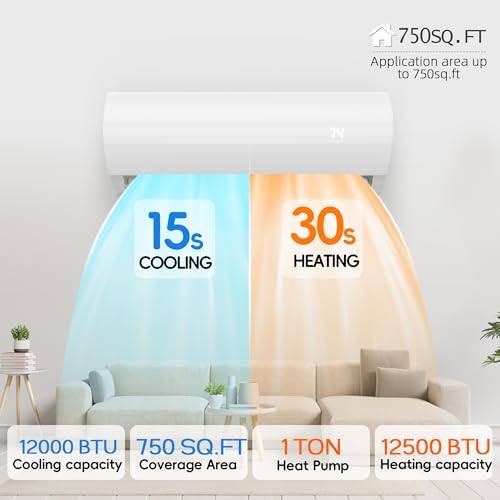
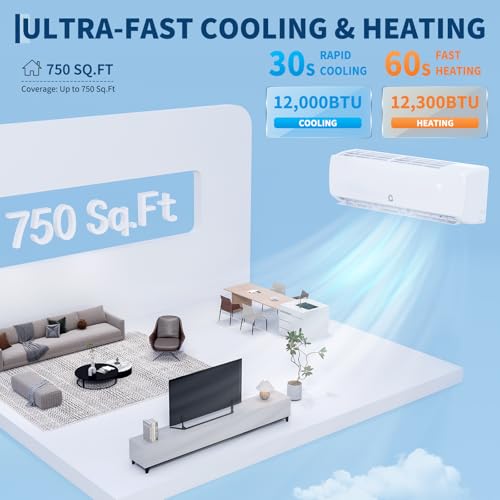
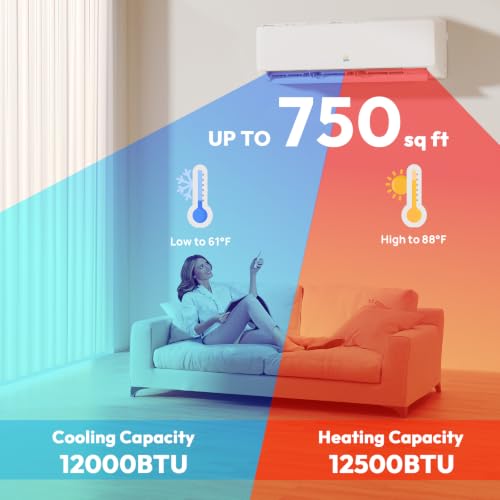
For a garage, size cooling for the actual heat load, not just square footage: insulation level, west-facing doors, attic exposure, number of exterior walls, window area, and whether hot cars are parked inside can all push the needed capacity higher. A mini split that works well in a bedroom may be undersized for a two-car garage with an uninsulated metal door; conversely, oversizing can short-cycle and leave the space uneven. Look for quick recovery after the door opens, enough capacity for high-90s outdoor temperatures, and heat-pump capability if you want shoulder-season or winter workshop use. Owner reports reinforce this buying priority, with many saying cooling is fast and effective, hot garages and insulated garages can be kept comfortable, demanding heat loads are handled well, and heating is useful across seasons.
Installation
Installation matters because the right air conditioner only works well if it fits your window, wall, or room setup securely and vents properly. You should check the unit’s size, weight, mounting requirements, included hardware, and whether you’ll need help lifting it or sealing gaps. Watch for models that are awkward to position or require permanent changes if you rent or want an easy seasonal removal.
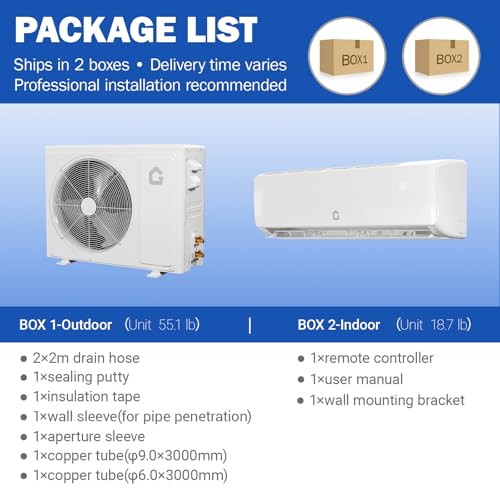
For a garage install, verify the route before buying: where the indoor head can mount above cars or storage, where the line set exits, whether the outdoor unit can sit with proper clearance, and how condensate will drain without freezing, backing up, or dripping across a walkway. Check electrical requirements carefully—115V units may be easier in some garages, while larger systems may require a dedicated 230V circuit, breaker, disconnect, and code-compliant wiring. Also confirm whether the included line-set length matches your path; extra line length, flaring, torque, vacuuming, leak checks, and releasing refrigerant are failure points that can ruin performance. Owner feedback says installation is often manageable for capable DIYers or straightforward for pros, but repeatedly notes that proper vacuuming and final HVAC steps are important, and electrical work can be the trickiest part.
Value
Value matters because an air conditioner can be affordable up front but costly to run, noisy to live with, or too weak for your space. Look for a unit that balances purchase price with cooling performance, energy use, reliability, and features you’ll actually use, and watch out for paying extra for capacity or extras that don’t improve comfort in your room.
For garage value, compare the mini split against what it actually replaces: portable ACs that dump heat back through leaky vents, window units that compromise security or garage-door function, electric space heaters with high operating cost, or the expense of extending ductwork. The best value is not simply the cheapest unit; it is the system with enough capacity for your insulation level, the right voltage for your panel, included line-set components that fit your layout, and efficiency that keeps long workshop sessions affordable. Owner sentiment supports the value case when those basics are right: buyers often connect lower purchase cost with effective heating and cooling, lower power bills, quiet operation, and performance that feels competitive with more expensive systems.
1,000,000+ shoppers use Buyer's Guide every week to find the best products and services online.

Helping millions of users make smarter purchases online.


