




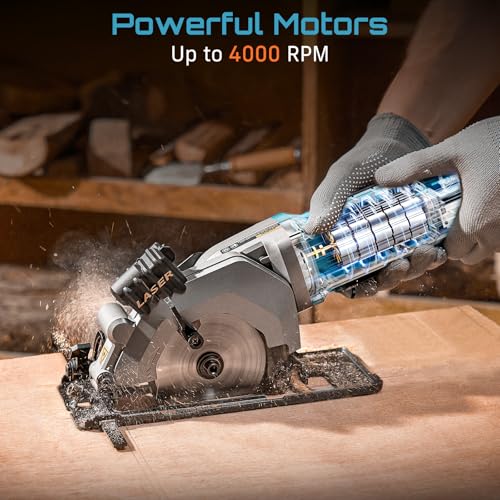


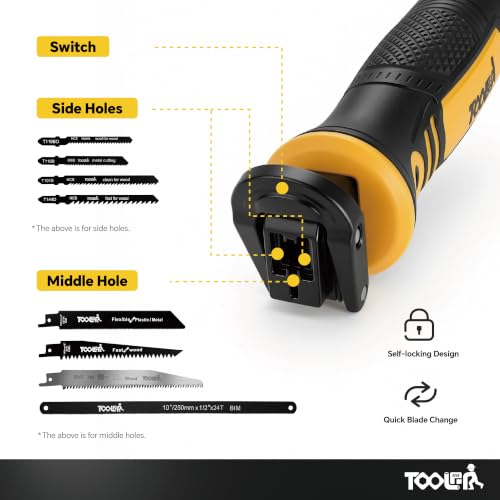


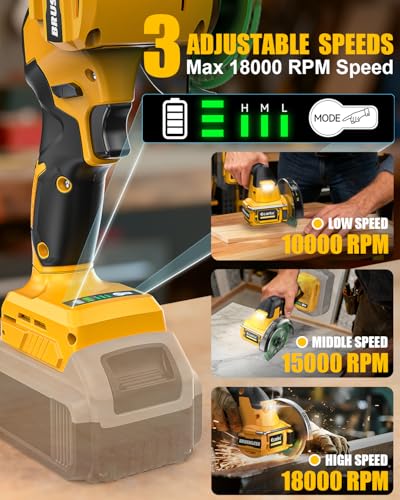



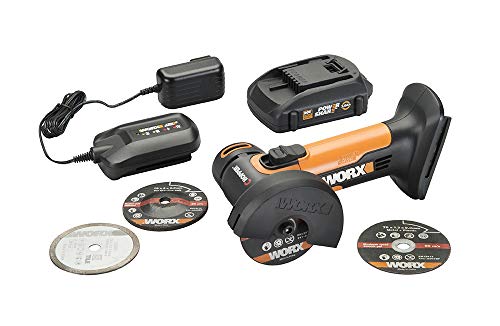
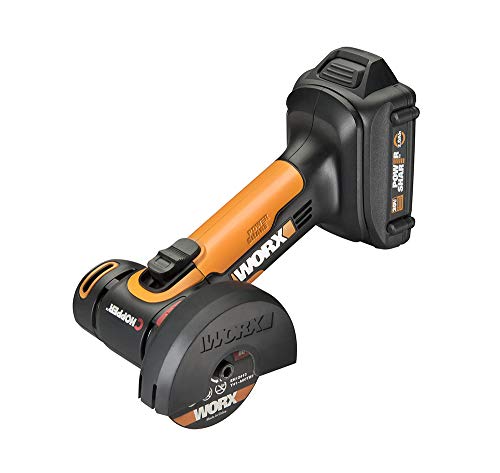


We also considered 10 others:


Our Top Choice
The order above is not editorial opinion, and it is not paid placement. It comes from what shoppers across our network actually do - which mini circular saws they compare, and which they ultimately buy. We re-rank as new data comes in, so the long-term favorites have to keep earning their spot against new entrants. The full method, including how we make money.
Mini Circular Saws Buyer's Guide
Mini circular saws trade full-size cutting depth for one-handed control, tight-space access, and faster setup on small DIY jobs. The sharpest buying concerns are whether the saw has enough blade depth and torque for your actual materials, and whether its compact body still gives you safe, stable control instead of feeling toy-like or underpowered.
Cutting Power
A mini circular saw is useful only if its smaller motor and blade still match the work you plan to do. Shoppers should think in terms of material, thickness, and cut length rather than assuming a compact saw can replace a full-size circular saw. Clean cuts depend on adequate torque, the right blade speed, and not forcing the tool through stock beyond its comfort zone.
Check the maximum cut depth at 90 degrees and 45 degrees before anything else: many mini saws are ideal for thin lumber, siding, trim, plywood, paneling, and sheet goods, but they may not clear thicker framing stock in one pass. Look for enough motor output or battery voltage for sustained cuts, and avoid treating a compact saw as a full-size replacement if you expect long rips through dense lumber. Owner feedback strongly supports prioritizing this: buyers praised clean, sharp cuts in wood siding, thin project wood, lumber, and sheet goods, while also noting that power is job-dependent and best suited to small and medium DIY tasks rather than every heavy-duty cut.
Hand Control
The main reason to choose this category is control in places where a larger saw feels awkward. A good mini circular saw should feel balanced, easy to sight along the cut line, and manageable without wrist strain. Poor balance or an oversized grip can erase the advantage of the smaller blade.
Choose a saw that matches your hand size and cutting posture: a slim grip, low weight, clear front sightline, and balanced motor placement matter more here than maximum heft. For overhead trim work, quick crosscuts, flooring patches, cabinet panels, or work inside cramped corners, avoid models that are technically compact but nose-heavy or hard to hold square against the work. Owner sentiment lines up closely with this use case, with buyers valuing compact size, light weight, smaller grips, and balanced feel because they make the tool easier to control than a full-size circular saw in quick cuts, tight spaces, and household jobs.
Blade Match
Mini circular saws often rely on specialty blades, so compatibility matters as much as the motor. The wrong blade can cause burning, chipping, slow progress, overheating, or unsafe kickback. A careful buyer checks arbor size, blade diameter, kerf, and rated material before assuming one tool can handle every job.
Verify blade diameter and arbor size, then confirm that replacement blades are easy to find for wood, plastic, metal, tile, or masonry-style tasks as needed. Use fine-tooth carbide blades for cleaner wood and sheet-good cuts, abrasive or diamond-type wheels only where the tool is designed for them, and never mount a blade or wheel that exceeds the tool’s rated size or RPM. Owner reports support the value of broad material capability, especially praise for compact tools that handled metal, tile, plastic, wood, and tougher materials without feeling underpowered; the caution is that included accessories and parts may not always be as polished as the tool itself.
Safety Stops
A smaller saw can feel less intimidating, but the blade still demands full circular-saw respect. Safety features are especially important because compact tools are often used in awkward positions and tight spaces. Better stopping, guarding, and directional control reduce the chance that a small slip becomes a serious incident.
Prioritize a solid lower guard that retracts and returns smoothly, a lock-off switch that cannot be bumped accidentally, a stable shoe, and an electric brake if available. For metal or tile work, plan for sparks, chips, dust, and blade heat; use eye protection, clamp the work, and avoid freehand cuts on loose material. Owner feedback specifically calls out near-instant electronic braking and forward/reverse cutting as confidence-building control and safety upgrades, which is meaningful in this category because compact saws are often chosen for close-quarters cuts where reaction time and blade direction matter.
Power Setup
Cordless mini saws add portability, while corded models avoid runtime limits. The right choice depends on whether you need quick cuts around the house or repeated cutting sessions in a workshop. Kit contents can also affect usability because a bare tool may still need batteries, charger, blades, guide rails, or dust adapters.
For cordless models, look for two batteries or a battery platform you already use, and check whether the tool maintains speed under load rather than simply advertising voltage. For longer cutting sessions, a corded model may be better if outlet access is easy; for punch-list jobs, repairs, and tight spaces, cordless convenience can be the deciding factor. Owner sentiment supports this split: buyers appreciated real cutting power in a small cordless package and found two-battery kits convenient and high-value out of the box, but power still needs to be judged against the job rather than assumed unlimited.
Setup Clarity
Mini circular saws can involve more setup nuance than their size suggests. Depth stops, blade changes, guide fences, dust ports, and accessory wheels all need to fit correctly for accurate and safe cutting. Weak instructions or loose-fitting accessories can turn a simple tool into a frustrating first-use experience.
Before buying, check that the saw has clear depth and bevel adjustments, an accessible blade-lock mechanism, a straight edge guide or track-compatible base if you need repeatable cuts, and instructions that clearly explain blade changes and guard operation. Avoid kits where the accessory list looks generous but the parts are poorly documented, hard to install, or not suited to your intended material. Owner feedback identifies setup as the main watch-out: some buyers found instructions weak and assembly or included parts less polished than the tool itself, even when the core tool felt capable and high quality.
1,000,000+ shoppers use Buyer's Guide every week to find the best products and services online.

Helping millions of users make smarter purchases online.


