




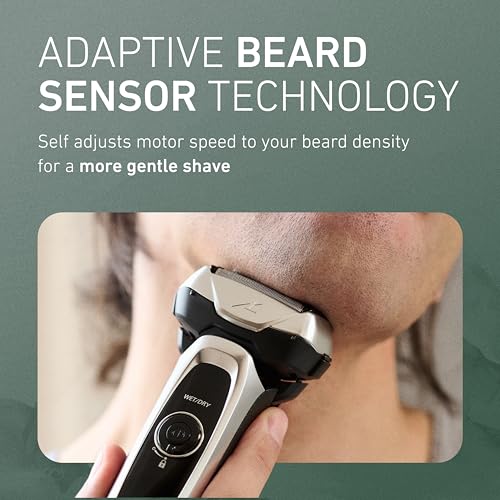



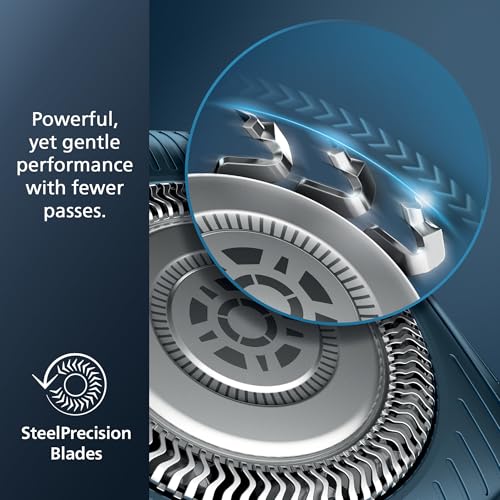



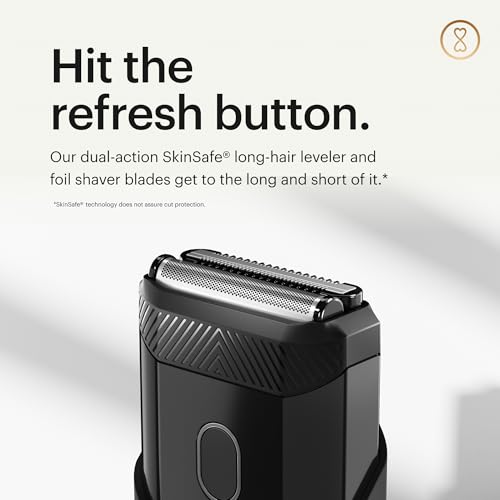


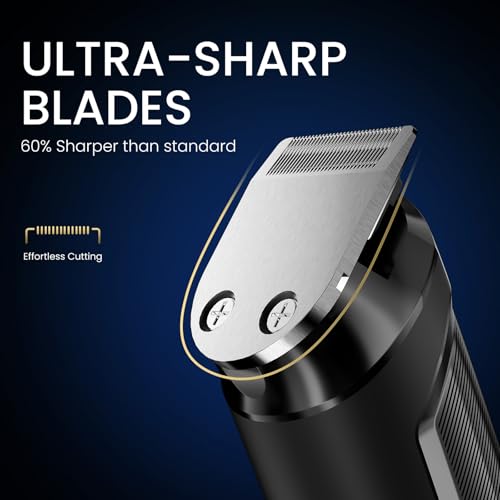







We also considered 10 others:


Our Top Choice
Compare Features


The order above is not editorial opinion, and it is not paid placement. It comes from what shoppers across our network actually do - which men's electric razors they compare, and which they ultimately buy. We re-rank as new data comes in, so the long-term favorites have to keep earning their spot against new entrants. The full method, including how we make money.
Men's Electric Razors Buyer's Guide
Men’s electric razors trade absolute blade-close smoothness against speed, lower irritation, and easier upkeep—so the right choice depends on whether you are shaving daily stubble, maintaining beard edges, shaving your head, or grooming body hair. The sharpest checks are skin safety and hair-length compatibility: some shavers only perform well on short growth, while body/detail trimmers need guards, rounded blades, and waterproof cleanup to avoid nicks in sensitive areas.
Quality
Quality matters because an electric shaver is a device you’ll handle often, rinse or clean regularly, and expect to work consistently over time. Look for solid construction, well-fitted parts, durable shaving heads or foils, and controls that feel secure rather than flimsy; watch out for loose caps, cheap-feeling plastics, weak hinges, or designs that seem difficult to clean or maintain.
Look first for a razor built around your actual use zone: a foil or rotary face shaver should have a rigid, well-sealed head and grippy handle for wet hands, while a body or all-in-one trimmer should feel stable with guards attached and not flex or rattle near sensitive skin. Avoid flimsy guard rails, loose blade cartridges, or handles that become slippery with shaving gel, because small control failures show up as missed patches, uneven neckline work, or nicks. Owner feedback supports this priority: buyers often describe better-liked models as solid, dependable, grippy, waterproof, easy to clean, and powerful enough to feel premium in regular grooming use.
Shave
A shaver’s cutting performance determines how close, smooth, and efficient your shave feels, especially if you have coarse hair, sensitive skin, or need to cover tricky areas like the jawline and neck. Look for consistent hair removal with minimal repeat passes, good trimming performance on longer stubble, and blades or cutters that stay sharp enough to avoid tugging, irritation, or uneven patches.
Match the cutting system to the job: foil shavers are often better for straight daily face passes and defined cheek/neck lines, rotary heads can help on curved areas and head shaving, and hybrid blade-style groomers are useful for stubble, edging, and body work but may not leave the same ultra-smooth face finish. If you skip days, choose a model that can pre-trim longer hairs or includes guards, because many close electric shavers tug or require repeated passes on longer, flat-lying neck hair. For sensitive skin, prioritize pivoting heads, flexible blades, rounded tips, wet/dry use, and close results with fewer passes rather than maximum aggressiveness. Owners tend to praise the strongest performers for close, smooth shaves, comfortable daily wet or dry use, good jawline and neck handling, clean touch-ups, and reduced cuts, razor burn, or irritation.
Ease
You’ll use an electric shaver often, so it should feel intuitive to turn on, adjust, clean, and maneuver without awkward grip changes or confusing controls. Look for a comfortable handle, easy-to-reach buttons, a size and weight that suit your hand, and a design that’s simple to pack or store if you travel. Watch out for bulky bodies, slippery finishes, or attachments that make everyday use more fiddly than it needs to be.
Choose controls and attachments that reduce grooming decisions, not add clutter: a daily face shaver should be quick to start, easy to maneuver under the nose and along the jaw, and simple to rinse; a beard/body kit should have clearly labeled guards that lock securely and cover the lengths you actually maintain. For head shaving, look for a head shape that stays flat on the scalp without awkward wrist angles; for travel, check whether it has a lock, compact charger, and guards that will not pop off in a bag. Owner sentiment backs this: users repeatedly value models that are easy to handle, operate, and clean, with practical wet/dry use, pivoting blades, adjustable guards, and useful attachments for beard, nose, body, head, and detail trimming.
Battery
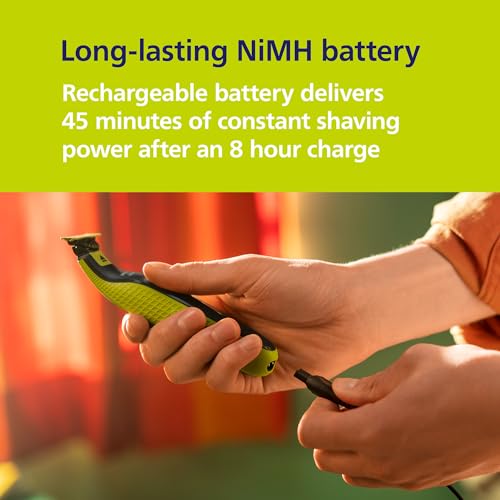
Battery life matters because it determines whether your shaver is ready when you are, especially if you travel or shave away from an outlet. Look for enough cordless runtime for multiple shaves, clear charge indicators, and quick-charge capability for last-minute use. Watch out for models that require long charging times, cannot be used while plugged in, or lose performance as the battery runs down.
For electric razors, battery specs matter less as a headline number and more as routine reliability: confirm real cordless runtime, charge time, low-battery warning, and whether it has a quick-charge option that can cover one shave when you forgot to plug it in. If you travel or shave your head/body in longer sessions, choose enough runtime for the full job without fading mid-pass; if you keep it in the shower, avoid designs with awkward proprietary charging docks that are hard to dry or pack. Owners generally report battery life as a major strength in well-liked models, citing multiple shaves or grooming sessions between charges, strong charge retention, fast charging, and dependable cordless use for daily routines or travel.
Value
You want an electric shaver that feels worth what you paid, not just one packed with features you may never use. Look for a balance of close, comfortable shaving, reliable battery life, durable build quality, and useful maintenance features; watch out for flashy extras that raise the cost without improving your daily shave.
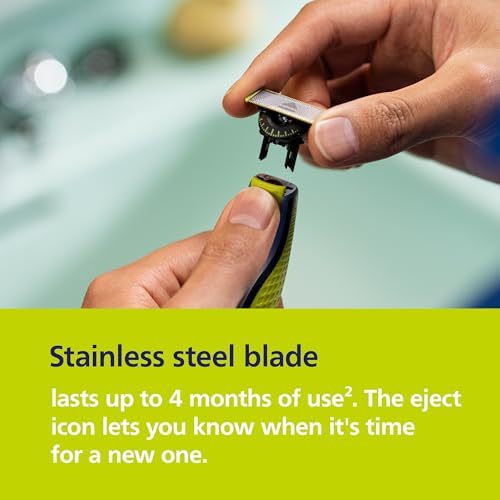
Judge value by total grooming coverage and consumables, not just the initial purchase: check replacement foil, blade, head, and guard availability; how often parts must be changed; and whether one tool can safely handle face, beard, head, and body without compromising the areas you care about most. A cheap shaver is poor value if it needs many repeat passes, irritates your neck, lacks the guard lengths you use, or requires expensive proprietary heads too often. Owner feedback suggests shoppers feel the best value when a razor or kit feels well built, includes useful guards and accessories, performs like a more expensive tool, reduces dependence on disposable blades or barber touch-ups, and delivers solid shave quality with easy maintenance.
Cleaning
Cleaning matters because hair, skin oils, and shaving residue can dull performance and irritate your skin if they build up. Look for a shaver that’s easy to rinse under running water, has accessible cutting heads or foils, and doesn’t require fussy disassembly after every use. If it uses a cleaning station or special maintenance supplies, factor in the space, cost, and upkeep before you buy.
Prioritize cleaning design because electric razors lose closeness fast when hair dust, skin oil, and shaving cream clog the cutter: look for fully rinseable or waterproof heads, easy-open chambers, accessible foil/rotary areas, and clear instructions on drying and oiling. If you shave with gel or in the shower, waterproofing should mean the head and body can be rinsed safely, not just that the handle tolerates splashes. Also consider whether the tool performs best only when cleaned after every use and kept on short growth, because neglect can cause pulling, odor, dullness, and patchy results. Owners commonly praise rinseable wet/dry designs for simple cleanup and convenient shower use, but some also note that keeping the shaver washed, charged, and used on shorter growth is part of getting consistently good results.
1,000,000+ shoppers use Buyer's Guide every week to find the best products and services online.

Helping millions of users make smarter purchases online.


