


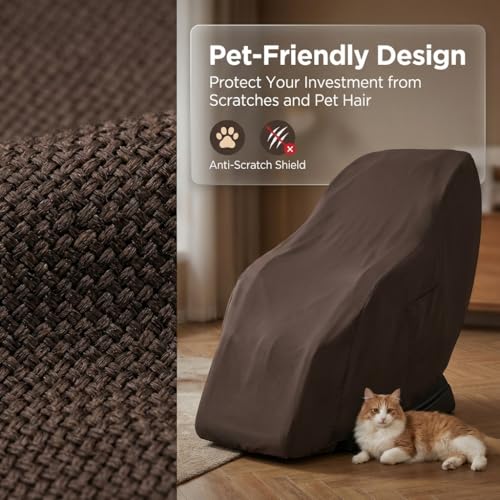




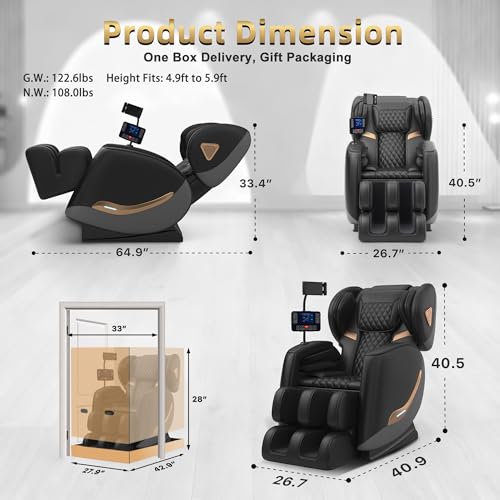
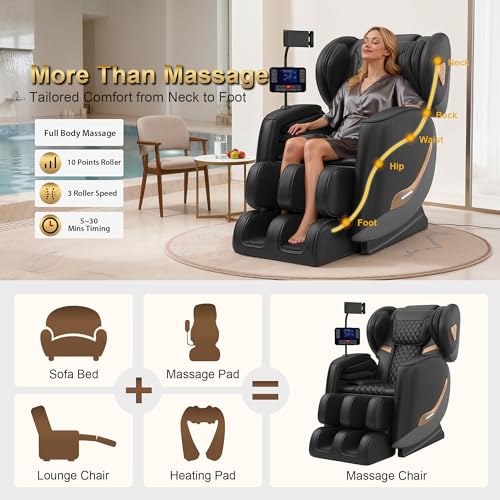
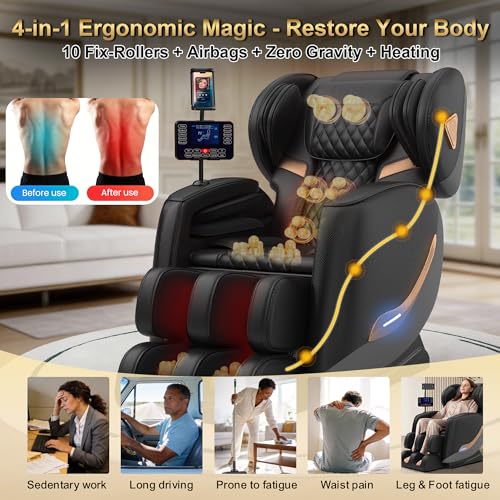










We also considered 10 others:






Our Top Choice
Compare Features


The order above is not editorial opinion, and it is not paid placement. It comes from what shoppers across our network actually do - which massage chairs they compare, and which they ultimately buy. We re-rank as new data comes in, so the long-term favorites have to keep earning their spot against new entrants. The full method, including how we make money.
Massage Chairs Buyer's Guide
Massage chairs are a fit-and-mechanics purchase: the best choice is the one whose rollers, airbags, recline, and heat actually line up with your body and your problem areas. The sharpest concerns are whether the chair can target neck/shoulders, low back, hips, calves, or feet without painful pressure, and whether the controls let you adjust intensity instead of locking you into one aggressive routine.
Massage
You want a chair whose massage feels therapeutic rather than just buzzy, with enough intensity and precision to loosen tight areas without becoming painful. Look for broad coverage across the neck, shoulders, back, hips, and legs, plus adjustable strength and techniques so you can tailor the feel to your body. Be wary of chairs that rely mostly on simple vibration or feel strong in one spot but weak or inconsistent everywhere else.
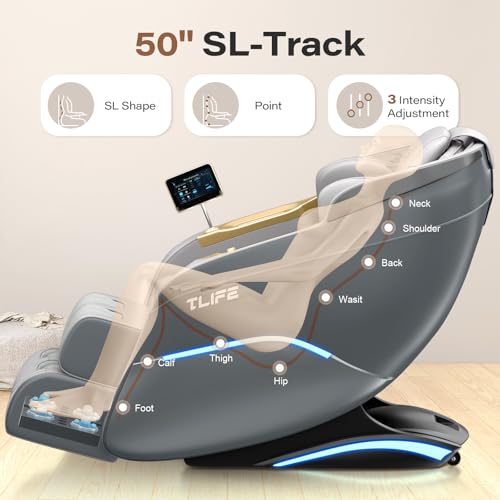
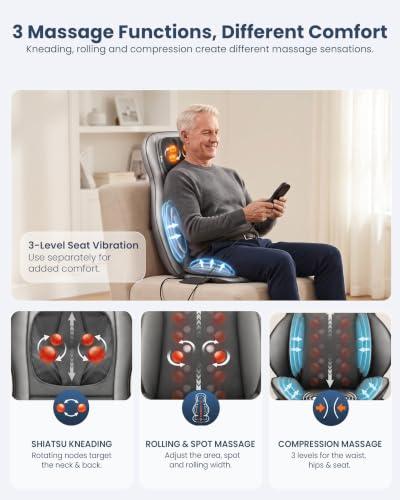
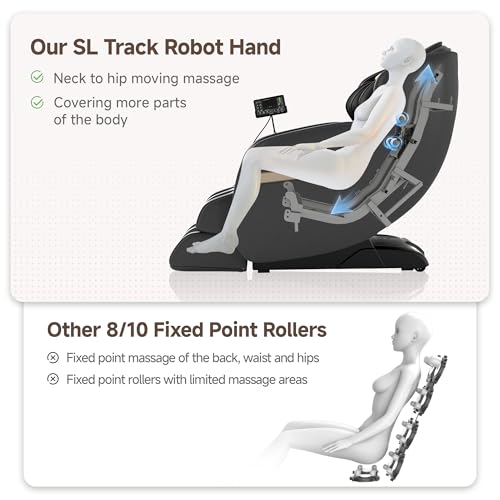
Prioritize the actual massage mechanism and body coverage before the feature count: look for 3D or adjustable-depth rollers if you need deep pressure, an L-track or SL-track if glute/hip coverage matters, a neck/shoulder mechanism that can be height-adjusted, and a spot or zone mode for staying on a knot. Avoid chairs that only advertise vibration if you want real kneading relief, and check whether foot, calf, arm, and shoulder coverage are true massage or mostly air compression. Owner feedback supports this focus: shoppers most often praise chairs and pads when shiatsu kneading feels close to hands-on massage, when lower-back and shoulder soreness are noticeably soothed, and when adjustable neck position, back zones, and spot functions make it easy to work the areas that need attention.
Controls
Controls determine how easily you can find the massage settings you actually want, from quick auto programs to more detailed adjustments for intensity, body area, roller position, heat, recline, and air compression. Look for an interface that feels intuitive and responsive, with enough massage modes and customizable settings to suit different users without making basic operation confusing. Be cautious of chairs with lots of features but poorly organized menus, unclear remotes, or limited adjustability once a program starts.
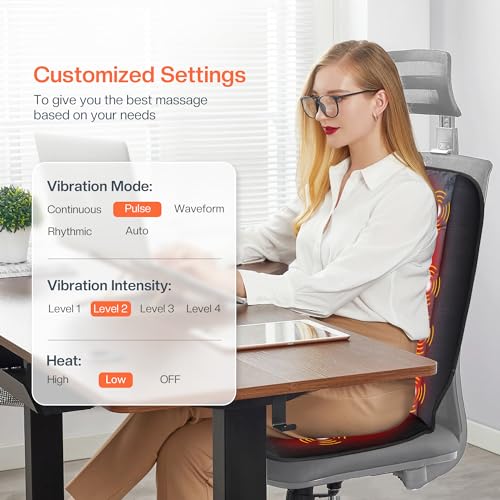
Choose controls that let you override the preset programs: intensity, roller position, air pressure, heat, recline, body zone, and timer should be adjustable from the seated/reclined position without a complicated menu. This matters because massage chairs can feel dramatically different on different bodies; a useful chair should let you move from a light relaxation session to a stronger post-work session, or isolate upper back, lower back, feet, or one sore spot. Owner sentiment backs this up, with buyers especially appreciating adjustable massage zones, spot targeting, multiple body-area options, varied modes, timer choices, air-pressure control, and zero-gravity settings that make sessions easier to customize.
Relief
A massage chair should help you unwind while easing the soreness or back tension you actually feel, not just deliver an intense sensation. Look for adjustable programs, strength levels, and targeted coverage for areas like the lower back, shoulders, and legs so you can match the massage to your needs. Be cautious of chairs that feel harsh, lack fine control, or focus more on features than comfortable, consistent relaxation and pain relief.
Match the chair to the relief you actually need: for chronic lower-back tension, check lumbar roller reach and heat placement; for neck and shoulder tightness, verify the neck unit adjusts to your height; for knots, choose kneading/shiatsu and spot hold rather than vibration-only; for leg fatigue, confirm calf and foot rollers or compression are included. Treat relief claims carefully if you have an injury, nerve issue, osteoporosis, circulation concerns, recent surgery, or a medical device, because strong rollers and compression may not be appropriate for everyone. Owners commonly report noticeable day-to-day relief for lower-back, neck, shoulder, spine, and knot-related tension, and many describe kneading massage as more effective than simple vibration, sometimes enough to reduce reliance on creams, pain medication, or another person’s help for routine soreness.
Comfort
You’ll enjoy a massage chair more if the seat, backrest, and leg areas fit your body comfortably before the massage even starts. Look for cushioning that feels supportive rather than overly hard or sink-in soft, with good back support and ergonomics that keep your neck, shoulders, hips, and legs aligned. Watch out for chairs that feel cramped, too wide, or awkwardly shaped, since poor fit can turn even strong massage features into an uncomfortable experience.
Test comfort as a fit question, not just cushioning: check user height range, shoulder width, seat depth, footrest extension, recline angle, and whether the rollers press directly on bones rather than muscle. Heat should warm the back or hips gently without hot spots, and zero-gravity recline should feel supportive without trapping the user or making entry and exit difficult. Owner feedback suggests comfort is a major reason people keep using these products, with shoppers praising soothing massage for long sitting sessions, recovery downtime, aching backs, lower-back and shoulder soreness, warm heat at the back/hips, soft seating, and relaxing zero-gravity positioning.
Quality
You want a massage chair that feels solid and keeps performing consistently, because weak frames, noisy mechanisms, or unreliable electronics can turn a major purchase into a headache. Look for signs of sturdy construction, smooth and quiet movement, durable upholstery, clear warranty coverage, and owner feedback that points to long-term reliability rather than early failures.
Inspect durability around the parts that move and bear weight: roller track, recline motor, footrest mechanism, airbags, stitching, upholstery, zippers, remote cable, and frame. A massage chair has more failure points than normal seating, so check weight capacity, service access, warranty terms, replacement-part availability, delivery/assembly requirements, and whether the chair needs space behind it to recline. Owner sentiment is strongest when units feel sturdy, well made, durable, reliable for daily use, and not like novelty gadgets; buyers also value solid materials, sturdy construction, good performance, multiple massage options, and little setup.
Value
A massage chair is a major purchase, so value matters because the best choice isn’t simply the one with the most features—it’s the one you’ll actually use and feel good about owning. Look for a chair that balances massage quality, comfort, durability, warranty support, and ease of use against its cost, and be wary of paying extra for flashy features that don’t improve your daily experience.
Judge value by usable massage coverage and long-term fit, not by the longest feature list: a cheaper chair that misses your neck or is too intense will be worse value than a simpler model that targets your daily pain points. Also account for delivery, assembly, return difficulty, room clearance, electrical access, and whether multiple household members can fit and adjust it comfortably. Owners tend to see strong value when a chair or pad feels well made, delivers a full-feeling at-home massage, offers multiple massage options, and can reduce the need for repeated professional sessions while still feeling durable and satisfying.
1,000,000+ shoppers use Buyer's Guide every week to find the best products and services online.

Helping millions of users make smarter purchases online.


