





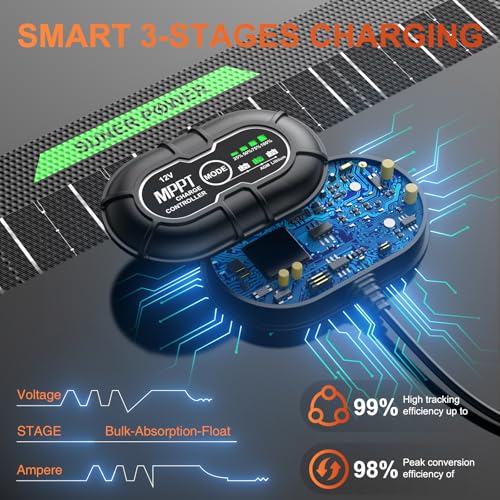


We also considered 10 others:


Our Top Choice
Compare Features


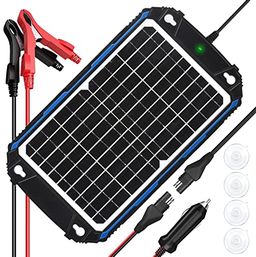


The order above is not editorial opinion, and it is not paid placement. It comes from what shoppers across our network actually do - which marine solar battery chargers they compare, and which they ultimately buy. We re-rank as new data comes in, so the long-term favorites have to keep earning their spot against new entrants. The full method, including how we make money.
Marine Solar Battery Chargers Buyer's Guide
Marine solar battery chargers live in a narrow middle ground: they are excellent for keeping a stored boat battery healthy, but most are not meant to recharge a dead bank or run onboard loads. The sharpest concerns are matching the charger/controller to your marine battery setup and ensuring the wiring, connectors, and mounting can survive unattended outdoor use around water, vibration, and shade.
Battery
A good charger should protect battery life as much as it restores charge, so look for smart maintenance features like automatic shutoff, float or trickle modes, and safeguards against overcharging or overheating. If you need to revive weak or neglected batteries, recovery or repair modes can help, but they cannot fix every battery, so be wary of chargers that overpromise dramatic capacity restoration.
For a marine solar charger, match the charger to the exact battery bank you are maintaining: 12V starting battery, house bank, trolling-motor battery, AGM, flooded lead-acid, gel, or lithium if applicable. Prioritize a true charge controller with the right battery profile, reverse-discharge protection, and float/maintenance behavior; avoid bare panels clipped directly to a battery for long unattended storage, especially in a boat where overcharge, sulfation, or parasitic bilge/monitor loads can matter. Owner feedback supports this use case strongly: buyers commonly report these chargers keeping idle boat, RV, truck, camper, trolling-motor, and equipment batteries topped off, especially during storage or between infrequent uses.
Charging
You want a charger that matches your battery type and size, delivers enough output for the way you’ll use it, and charges reliably without overheating or cutting out too soon. Pay attention to charging speed, boost or jump-start capability if you need it, and whether the charger can maintain, recover, or condition batteries safely rather than simply pushing maximum power.
Buy for maintenance, not recovery: most marine solar battery chargers are best for offsetting self-discharge and small parasitic loads, not reviving a deeply discharged marine battery or powering heavy onboard electronics. Check panel wattage against your real standby loads—bilge pump cycling, battery monitor, alarm, GPS tracker, stereo memory, or a small monitoring device—and allow for shade from rails, canvas, masts, and cloudy weather. Owner sentiment aligns with this expectation: shoppers are happiest when using these units as trickle maintainers for boats and other equipment that sit unused for days or weeks, with some noting enough output for small 12V maintenance jobs and light monitoring loads.
Compatibility
Make sure the charger supports the battery types and sizes you actually use, since the wrong compatibility can mean slow charging, poor fit, or unsafe operation. Look for clear support for your battery chemistry, voltage, and physical format, plus the right ports or clamps for your charging situation. If you charge different devices or vehicles, prioritize versatile charging options, but avoid assuming “universal” means it works with every battery.
Confirm the charger is compatible with your boat’s electrical layout before buying: single 12V battery, dual-battery selector switch, isolated starting/house banks, trolling-motor banks, or onboard charging ports may require different wiring, fusing, or multiple outputs. Look for included or available ring terminals, SAE plugs, alligator clips for temporary use, and controller settings that match your battery chemistry; avoid assuming a generic automotive maintainer is safe for sealed compartments, lithium banks, or multi-bank marine systems. Buyers report successful use across many 12V systems that sit idle—including boats, RVs, camper trailers, garden tractors, and similar equipment—but that positive experience is most relevant when the system is a straightforward 12V maintenance setup.
Build
You want a charger that feels solid enough to handle regular use, storage, and the occasional bump without cracked housings, loose ports, or flimsy clamps. Look for durable cables with enough length to reach comfortably, secure connectors that grip well, and a design that manages heat without getting excessively hot during longer charging sessions.
Marine use demands more than a sturdy panel: look for weather-resistant construction, UV-resistant cabling, corrosion-resistant connectors, strain relief, sealed or protected controller placement, and mounting hardware that can tolerate vibration, spray, and wind on a docked or trailered boat. Avoid flimsy clips, exposed controller electronics, thin unprotected wires, or panels that cannot be secured against gusts and wakes. Owner feedback often praises solid panels, durable-feeling wiring, useful hookup options, compact rugged installations, and outdoor-friendly packages, which supports prioritizing complete kits that feel purpose-built rather than improvised.
Reliability
You want a charger that works consistently every time you connect a battery, because unreliable charging can leave you stranded or force you to keep troubleshooting instead of getting the job done. Look for models known for stable operation, accurate status indicators, and dependable automatic shutoff or maintenance modes, and watch out for complaints about error codes, failed starts, overheating, or chargers that stop recognizing batteries.
For unattended marine storage, reliability means steady float maintenance through variable light, shade, rain, and long idle periods—not just peak output on a sunny day. Choose a charger with low-light performance, a controller that prevents nighttime battery drain, stable float voltage, and enough reserve wattage for cloudy stretches; if the boat is stored under a cover or inside a slip with shade, plan panel placement before buying. Owners generally describe these chargers as dependable maintainers in real-world outdoor light, including imperfect sun and cloudy or rainy periods, especially when used for small 12V upkeep rather than high-demand charging.
Usability
A battery charger should be easy to set up, read, and control so you can connect it correctly and start charging without guesswork. Look for clear clamps or connectors, straightforward mode selection, and a display that shows charging status, errors, and battery condition at a glance. Watch out for chargers with confusing buttons, vague indicator lights, or instructions that make common tasks feel harder than they should.
The best marine solar charger is easy to connect securely and inspect often: favor clear polarity labeling, fused ring-terminal leads for permanent battery attachment, quick-disconnects for removing the panel, long enough cable runs to reach a sunny deck or cabin-top location, and mounting that does not require drilling into risky areas. For shared or seasonal use, clips can be convenient, but permanent marine installations should minimize loose leads, chafe points, and accidental disconnection. Owner feedback consistently supports simple setup as a strength, with buyers appreciating plug-and-play wiring, mounting hardware, quick-connect plugs, long wires, clear instructions, and easy movement between 12V batteries.
1,000,000+ shoppers use Buyer's Guide every week to find the best products and services online.

Helping millions of users make smarter purchases online.


