















We also considered 10 others:


Our Top Choice
Compare Features


The order above is not editorial opinion, and it is not paid placement. It comes from what shoppers across our network actually do - which language translation devices they compare, and which they ultimately buy. We re-rank as new data comes in, so the long-term favorites have to keep earning their spot against new entrants. The full method, including how we make money.
Language Translation Devices Buyer's Guide
Language translation devices have to balance fast conversation help with the practical realities of travel: noisy streets, spotty internet, battery limits, and awkward setup in front of another person. The best choice is not just the one with the longest language list; it is the one whose translation mode, microphones, connectivity, and form factor match how you will actually communicate.
Translation Help
In this category, translation usefulness depends on the whole conversation flow, not just vocabulary coverage. A device that is accurate but slow, app-bound, or awkward to share can make real interactions harder instead of easier.
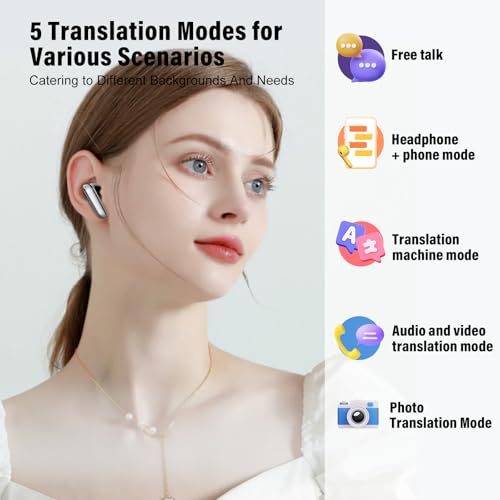
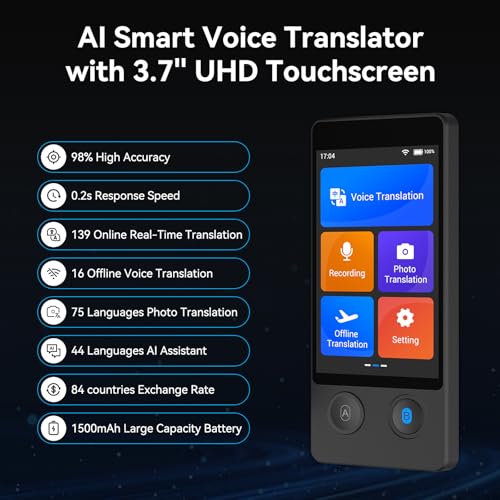
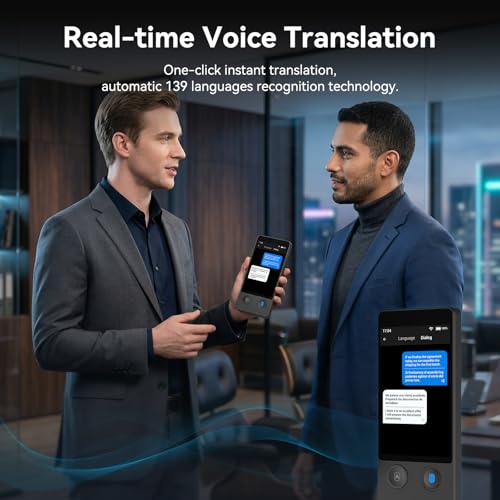
Prioritize the translation workflow before any entertainment feature: look for true two-way conversation support, clear turn-taking or simultaneous mode, the specific languages and dialects you need, and whether translation requires a phone app or internet connection. For travel, offline language packs or a reliable cellular plan matter because a device that works only on strong Wi‑Fi can fail exactly when you need directions, medical help, or transit information. Avoid buying only from a headline language count; check how quickly it captures speech, how it handles accents and background noise, and whether both speakers can hear or read the result naturally. Owner feedback supports this priority: buyers were most enthusiastic when the translator function genuinely helped people understand each other in real-time communication and travel situations.
Voice Clarity
Translation devices are judged by whether people can hear and be heard in imperfect environments. Clear audio reduces repeats, misunderstandings, and the social friction of using a translator in public.
Check both sides of the audio chain: speaker or earbud output should make translated speech easy to hear, while microphones must pick up your voice clearly in restaurants, stations, cars, and open streets. For earbud-style translators, also confirm they work well for normal listening and calls if you plan to keep them in all day; for handheld devices, look for strong speaker volume and clear playback rather than music tuning. Common failure modes are loud music playback but weak voice pickup, muffled translated speech, or microphones that collapse in noise. In the owner sentiment provided, sound quality was one of the strongest positives, with buyers praising clear, loud, enjoyable audio for music, voices, calls, and everyday listening.
Connection Setup
Many translation devices are really a system made of hardware, software, and network access. If any part of that chain is fragile, translation can stop even though the device itself still turns on.
Assume the device may depend on Bluetooth, a companion app, permissions, and a live data connection unless it clearly says otherwise. Before choosing, verify phone operating-system compatibility, pairing steps, app language support, account requirements, updates, and whether translation still works if one earbud disconnects or your phone screen locks. For international use, also consider roaming, hotel Wi‑Fi logins, and battery drain on the paired phone; a translator that is simple at home can become frustrating at a border, airport, or worksite. Owner reports back up the importance of this dimension: buyers appreciated Bluetooth pairing and setup when they were simple to connect and dependable once configured.
Travel Runtime
Translation failures are most costly when you are away from a charger or relying on the device to solve an immediate problem. Battery specs should be evaluated around active translating, not only standby or entertainment listening.
Match runtime to the longest real use case, not just a short demo: guided tours, work shifts, airport delays, and multi-stop travel days can outlast a small translator battery. Look for total time with the charging case or dock, single-session talk time, recharge speed, USB-C or other common charging support, and whether translation drains battery faster than music playback. A key failure mode is having enough battery for casual listening but not enough for a long conversation when both microphones, Bluetooth, app, and data are active. Owner sentiment mentions battery life positively when buyers found the devices dependable after setup, which is encouraging but still worth checking against your intended usage pattern.
Wearability
A translation device only helps if you are willing to keep it accessible during real conversations. Comfort, fit, and handling affect whether it becomes a daily tool or stays in a bag until it is too late to use smoothly.
Choose the form factor around how you will interact with other people. Earbuds can be discreet and useful for all-day wear, but shared-earbud conversation modes can feel awkward, raise hygiene concerns, or be impractical with strangers; handheld translators are easier to pass or show but less private and less convenient to wear. Check ear-tip sizes, stability while walking, touch-control placement, case pocketability, and whether the design lets you hear your surroundings safely while traveling. Owner feedback supports taking fit seriously: buyers described the earbuds as comfortable, well-fitting, practical to wear, and easy to carry around.
Quality Value
Because translation devices depend on several pieces working together, weak quality can appear as charging issues, setup frustration, or unreliable communication. Good value means paying for dependable real-world translation and support, not just a long feature list.
Look for dependable construction, consistent day-one operation, and support that can help with app, pairing, or translation-mode problems after purchase. Translation devices combine electronics, microphones, batteries, and software, so quality is not just about the shell; it includes stable performance, reliable charging contacts, clear instructions, and ongoing compatibility. Value is strongest when the device performs the core translation job well while also covering secondary uses like calls or music, rather than bundling impressive features that are hard to use. In the supplied owner sentiment, buyers praised dependable product quality, strong overall value, affordability, and responsive support, with some saying the devices became their go-to earbuds or were worth the money for work.
1,000,000+ shoppers use Buyer's Guide every week to find the best products and services online.

Helping millions of users make smarter purchases online.


