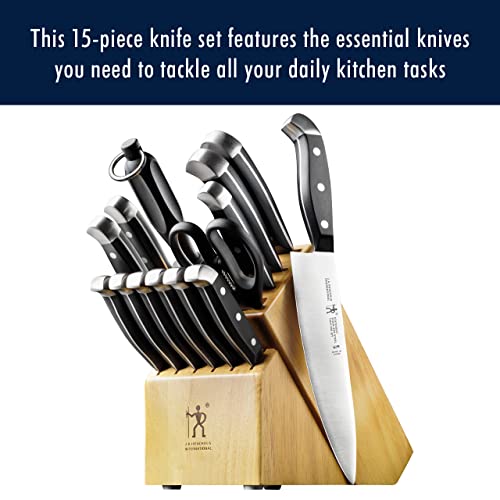





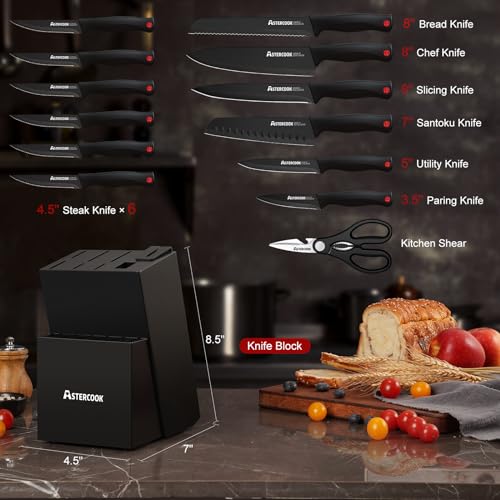



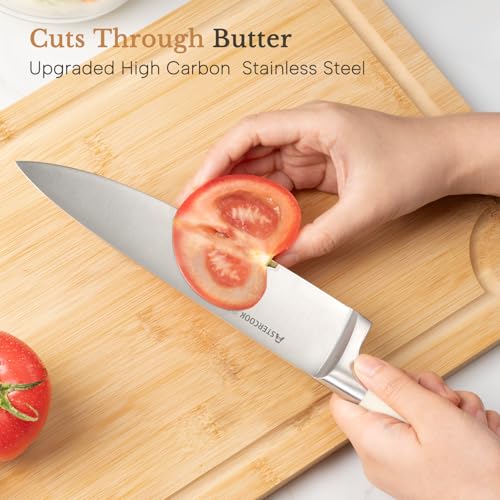







We also considered 10 others:


Our Top Choice
Compare Features


The order above is not editorial opinion, and it is not paid placement. It comes from what shoppers across our network actually do - which knife sets they compare, and which they ultimately buy. We re-rank as new data comes in, so the long-term favorites have to keep earning their spot against new entrants. The full method, including how we make money.
Knife Sets Buyer's Guide
Knife sets trade specialization for convenience: the right one gives you a ready-to-use prep, storage, and table-service system, while the wrong one pads the piece count with knives you rarely use. The sharpest concerns are whether the set includes the few blades that actually matter, whether the block and sharpening setup are safe and practical, and whether the steel will resist rust with your cleaning habits.
Cutting
Cutting performance determines how easily your knife set handles everyday tasks like slicing, chopping, carving, and quick prep without crushing food or forcing your hand. Look for blades that feel sharp, controlled, and versatile across different ingredients, with enough flexibility for delicate cuts but enough stability for firm foods. Watch out for sets that include many pieces but lack consistent effectiveness across the core knives you’ll actually use most.
Prioritize a set whose blade mix matches real kitchen cuts: a thin chef’s or santoku for vegetables, a paring knife for small work, a serrated bread knife that can saw crust without crushing, and steak knives only if you actually serve table meats often. Avoid sets that inflate the count with duplicate small utility knives while missing a proper bread knife, shears, or a comfortable main prep knife; also watch for overly thick blades that wedge in onions, squash, or chicken instead of slicing cleanly. Owner feedback supports this focus on real cutting ability: buyers often praise sets that arrive sharp and glide through steak, chicken, tomatoes, bread, meat, and vegetables with little effort, and they respond especially well when the included steak knives cut cleanly rather than tearing.
Quality
Quality matters because a knife set should feel solid, balanced, and dependable every time you prep food, not flimsy or rough around the edges. Look for well-finished blades and handles, tight joins with no gaps or rattling, and materials that resist staining, warping, or premature wear. Watch out for sets that include many pieces but cut corners on blade quality, handle comfort, or overall fit and finish.
Judge quality by construction details, not just piece count: look for secure handles with no gaps, balanced weight, smooth spine and bolster areas, straight blade alignment, and a block that holds knives safely without loose, awkward slots. Full-tang or otherwise rigid handle construction is preferable for the knives used most often, while very light hollow handles, rough rivets, flexy blades, or sloppy handle seams are red flags for a set that may feel cheap in daily prep. Owner sentiment lines up with this: shoppers tend to be happiest when a set feels solid, balanced, sturdy, organized in its block, and complete enough for everyday cooking rather than flimsy or decorative-only.
Design
Because a knife set often lives out on your counter, its appearance can affect how well it fits your kitchen as much as how it stores your blades. Look for a design, color, and block style that matches your space and feels easy to keep clean, but watch out for looks that hide impractical details like bulky storage, hard-to-read handle shapes, or finishes that show smudges and wear quickly.
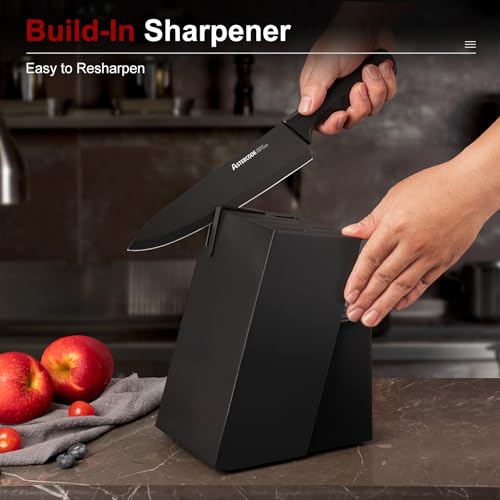
For knife sets, design has to solve storage and workflow: check the block footprint, slot angle under cabinets, whether wet blades can ventilate, whether knife labels or shapes are easy to identify, and whether the layout keeps sharp edges from scraping the block. If the set includes a built-in sharpener, make sure it is intended for the included straight-edge knives and not serrated blades; if it claims dishwasher-safe convenience, still consider whether the handles, block, and finish will stay clean and dry in your kitchen. Owners often praise sets that look sleek or polished on the counter, do not feel bulky, include practical blocks, and make a nearby sharpener feel convenient, but the best-looking block is only worthwhile if it stores the actual knives safely and accessibly.
Sharpness
Sharp blades make prep faster, cleaner, and safer because you use less force and get more control through foods like herbs, tomatoes, onions, and proteins. Look for a set that arrives genuinely sharp across the knives you’ll use most, with edges that bite cleanly rather than slipping or crushing, and be wary of blades that feel only moderately sharp out of the box since they’ll need maintenance sooner.
Look for a set that arrives with a usable factory edge but also gives you a realistic maintenance path: honing steel, compatible built-in sharpener, or clear sharpening expectations. Be cautious with sets that rely on serrated edges everywhere, because they may feel sharp at first but are harder to maintain; for straight-edge chef, santoku, utility, and paring knives, the edge should slice tomatoes and trim meat without pressure while still being robust enough for everyday board work. Owners frequently report that good sets arrive very sharp, even razor sharp, and make daily slicing, chopping, and meat prep easy, with the best experiences coming when the edge holds up with normal honing.
Durability
You want a knife set that can handle years of chopping, slicing, washing, and storage without blades chipping, handles loosening, or edges dulling too quickly. Look for sturdy construction, quality steel with good rust resistance, and blades that hold an edge but can still be sharpened; be wary of sets that require excessive maintenance or show early signs of corrosion, warping, or poor balance.
The main durability risk in knife sets is corrosion and edge decline from storage and cleaning habits, so favor rust-resistant stainless, tight handle joints, well-finished blades, and a block that does not trap moisture. Treat “dishwasher-safe” as convenience language, not a guarantee: high heat, detergent, contact with other utensils, and sitting wet can cause rust spots, dulled edges, or handle wear, especially in humid kitchens. Owner feedback reinforces this care-sensitive pattern: many buyers find sets sturdy, balanced, easy to clean, and durable for weeks or months, but rust is the recurring warning, with owners often recommending immediate hand washing and thorough drying; some also report edges fading faster than expected if maintenance is neglected.
Value
A good knife set should feel worth what you paid because you’re buying tools you’ll use often, not just filling a block with extra pieces. Look for durable, comfortable knives that cover your real cooking needs, and watch out for large sets that seem like a bargain but include rarely used pieces or cut corners on blade quality.
Value in a knife set comes from useful knives, not the largest number on the box: count how many pieces are actually blades you will use, and remember that steak knives, shears, sharpening tools, and the block often inflate the total. A strong set for most kitchens should cover core prep, bread, small tasks, and table service if needed without forcing you to replace the chef’s knife later; extras are worthwhile only if they reduce separate purchases or improve maintenance. Owner sentiment supports this practical definition of value: buyers tend to feel satisfied when a set includes essential knives, steak knives, shears, a block, and sometimes a built-in sharpener, while still feeling sharp, well made, organized, and useful for daily cooking.
1,000,000+ shoppers use Buyer's Guide every week to find the best products and services online.

Helping millions of users make smarter purchases online.