





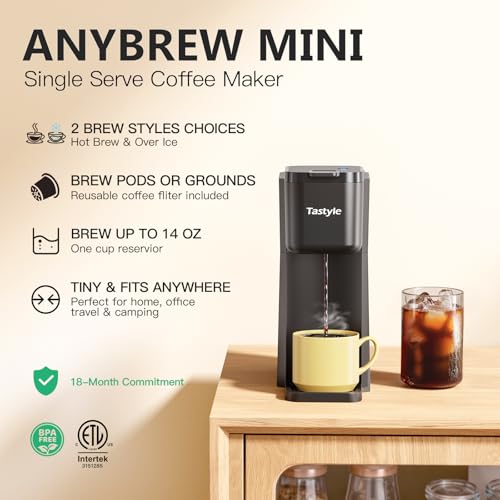


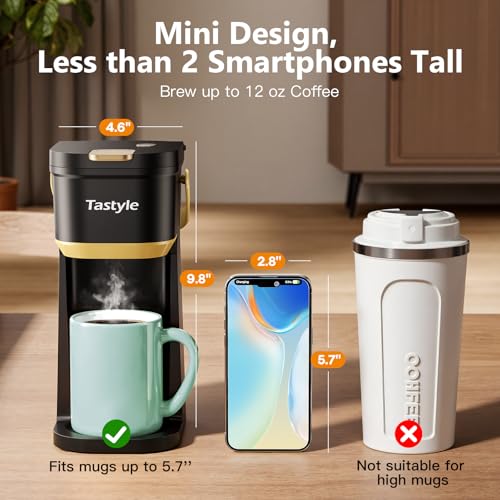


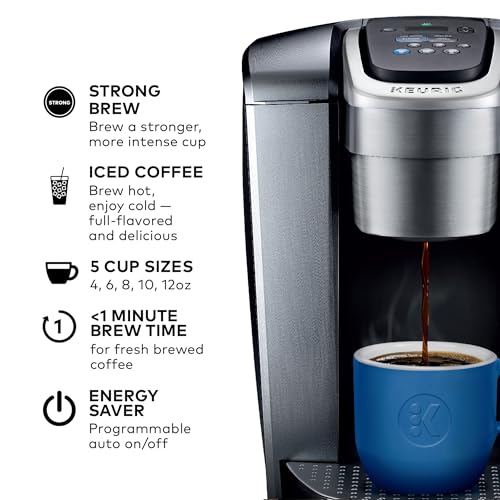


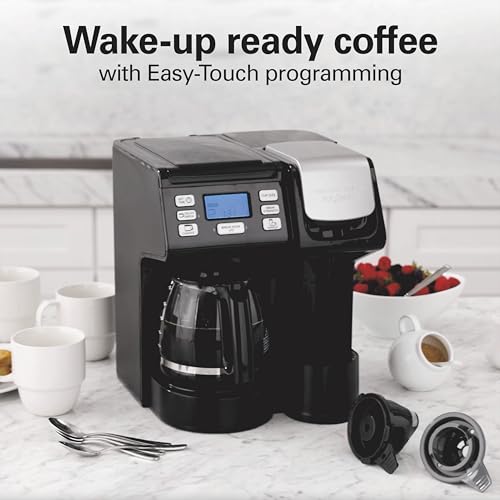


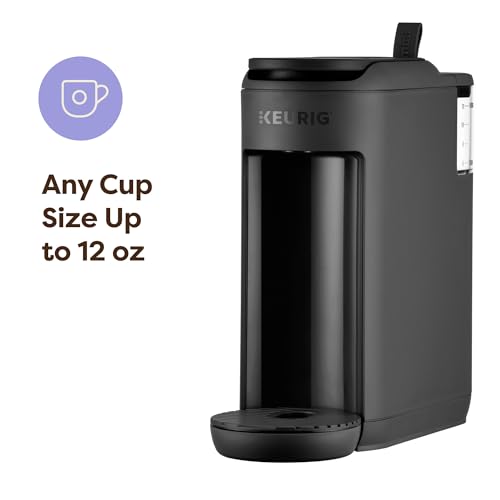


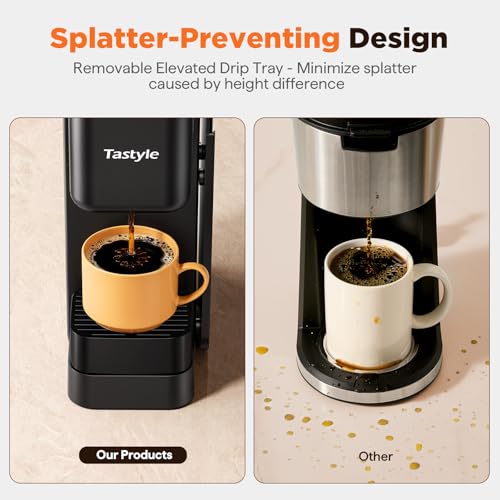


We also considered 10 others:


Our Top Choice
Compare Features


The order above is not editorial opinion, and it is not paid placement. It comes from what shoppers across our network actually do - which k-cup machines they compare, and which they ultimately buy. We re-rank as new data comes in, so the long-term favorites have to keep earning their spot against new entrants. The full method, including how we make money.
K-Cup Machines Buyer's Guide
K-Cup machines trade coffee-shop control for speed and repeatability, so the best choice depends on whether you prioritize pod convenience, stronger extraction, or the option to use your own grounds. The sharpest checks are pod/reusable-filter compatibility, water-reservoir and mug-clearance fit, and long-term reliability because small brewers often fail through pumps, needles, sensors, or scale buildup rather than obvious wear.
Build
Build quality matters because a coffee maker deals with daily heat, water pressure, steam, and repeated handling, all of which can expose weak materials or poor assembly over time. Look for sturdy construction, well-sealed water reservoirs and carafes, durable buttons or controls, and parts that fit securely without flexing or leaking. Be cautious of flimsy plastics, loose lids, recurring drips, or reviews that mention early pump, heating, or gasket failures.
For build quality, look beyond whether the machine feels sturdy on day one: check for a removable reservoir that locks in firmly, a solid puncture-needle assembly, accessible descaling path, and a drip tray that does not wobble under a travel mug. Avoid machines with hard-to-clean pod chambers or sealed designs that make needle clogs and mineral buildup harder to fix, since K-Cup brewers commonly fail through weak pumps, leaks, descale-sensor issues, or sudden no-brew behavior after months of use. Owner feedback supports this split: many buyers say these machines make hot, consistent single cups and feel dependable for daily routines, but the most serious complaints involve brewers working well for a while and then abruptly failing.
Ease
A coffee maker that’s easy to use is more likely to fit into your daily routine without slowing you down, especially when you’re half-awake or making multiple cups. Look for clear controls, straightforward setup, simple filling and cleaning steps, and settings you can understand without constantly checking the manual. Watch out for machines with confusing menus, awkward water reservoirs, or too many rarely used features that make everyday brewing harder than it needs to be.
For ease of use, choose controls that match the actual household routine: dedicated cup-size buttons, a clear add-water/descale indicator, easy reservoir removal, and enough clearance to fill a travel mug without removing parts every morning. If you plan to alternate between pods and grounds, verify that the reusable basket is included, easy to rinse, and does not require fussy grind adjustments; if multiple people use it, avoid touchy menus and specialty modes that make a simple pod brew slower. Owners generally reinforce that simple single-serve machines are low-effort to fill, brew, clean, and run on busy mornings, while dual-brew or pod-plus-grounds models are most appreciated when the added flexibility stays straightforward.
Coffee
Coffee quality matters because a maker’s extraction, temperature control, and brew consistency determine whether you get a balanced, flavorful cup or one that tastes weak, bitter, or sour. Look for machines that match your preferred style—drip, espresso, cold brew, or tea-friendly brewing—and pay attention to grinder performance if it is built in, since uneven grounds can hurt flavor even when the brewer itself is capable.
For coffee quality, prioritize machines with brew-strength control, multiple ounce settings, and a brew temperature reputation strong enough to avoid thin, lukewarm pod coffee. Smaller cup sizes usually extract more flavor from a K-Cup, while large 10–12 oz settings can taste diluted unless the machine has a strong/rich mode or you use bolder pods; for reusable filters, look for compatibility with the right basket depth so grounds do not overflow or under-extract. Owner sentiment backs this: buyers often praise hot, consistent coffee, flexible cup sizes, and strong-brew options, and more flexible machines earn approval when they handle pods, grounds, iced coffee, tea, or specialty-style drinks without sacrificing flavor.
Speed
Speed matters if you need coffee ready with minimal waiting, especially during busy mornings or when serving multiple people. Look at both heating time and total brew time, and remember that the fastest machine is not always the best choice if it sacrifices temperature stability, extraction, or consistency.
For speed, separate true brew speed from total morning time: a machine with a large reservoir, fast heat-up, simple pod loading, and minimal post-brew dripping will feel much faster than one that brews quickly but needs water added every cup. If several people brew back-to-back, check whether it reheats between cups, whether the reservoir is large enough, and whether the pod chamber stays clean rather than clogging or splattering. Owners consistently value quick startup and fast single-cup brewing, especially for busy mornings, travel mugs, tea, and no-cleanup routines, with large reservoirs and simple controls making frequent use feel faster.
Design
A coffee maker’s design affects both how it looks on your counter and how easily it fits into your daily routine. Consider the machine’s footprint, height, and overall appearance, especially if you have limited space or low cabinets, and make sure its capacity matches how much coffee you typically brew. Watch for compact models that save space but require more refilling, or larger machines that offer convenience but can crowd your kitchen.
For design, measure the exact counter problem: width, height under cabinets, reservoir access direction, cord placement, and mug clearance matter more than appearance. Ultra-slim machines save space but may require refilling every cup, while larger models with removable reservoirs reduce refills but can be awkward under cabinets; for RVs, dorms, offices, or bedroom stations, also check stability, splash control, and whether the drip tray accommodates the cup sizes you actually use. Owner feedback strongly favors compact footprints for small kitchens, desks, RVs, tight counters, and travel-style setups, while also noting that removable reservoirs and multiple cup sizes preserve convenience in small designs.
Value
Value matters because a coffee maker’s true worth depends on how well it fits your daily routine, not just how much it costs. Look for owners who say it delivers consistent coffee, useful features, and durable performance for the money, and be cautious when reviews suggest you’re paying for extras you won’t use or quality that doesn’t hold up.
For value, calculate the whole system rather than the machine alone: pod cost, reusable-filter usefulness, descaling supplies, expected lifespan, and whether one appliance can replace both a single-serve brewer and a drip pot. A cheaper K-Cup machine is only a good deal if it has the compatibility you need, does not require proprietary accessories, and has enough durability to survive daily heating, pumping, and descaling cycles; early pump or sensor failures can erase the savings quickly. Owners often see strong value in machines that brew quickly, feel well made, offer pod-and-grounds flexibility, or include a reusable basket, but negative feedback warns that early faults make low upfront cost feel riskier.
1,000,000+ shoppers use Buyer's Guide every week to find the best products and services online.

Helping millions of users make smarter purchases online.


