















We also considered 10 others:


Our Top Choice
Compare Features


The order above is not editorial opinion, and it is not paid placement. It comes from what shoppers across our network actually do - which juicers they compare, and which they ultimately buy. We re-rank as new data comes in, so the long-term favorites have to keep earning their spot against new entrants. The full method, including how we make money.
Juicers Buyer's Guide
Juicers force a tradeoff between speed, extraction quality, cleanup burden, and the kinds of produce you expect them to handle. The sharpest buying concerns are whether the machine actually extracts well from your target ingredients—especially leafy greens, celery, ginger, hard roots, or citrus—and whether cleanup is easy enough that you will keep using it.
Yield
Yield matters because it affects how much juice you get from the same amount of produce, which can influence both convenience and ingredient waste. Look for a juicer with strong extraction that leaves pulp relatively dry, but watch for machines that chase output at the expense of excess foam, heat, or clogging. If you juice often or use pricey greens and fruits, better efficiency can make a noticeable difference over time.
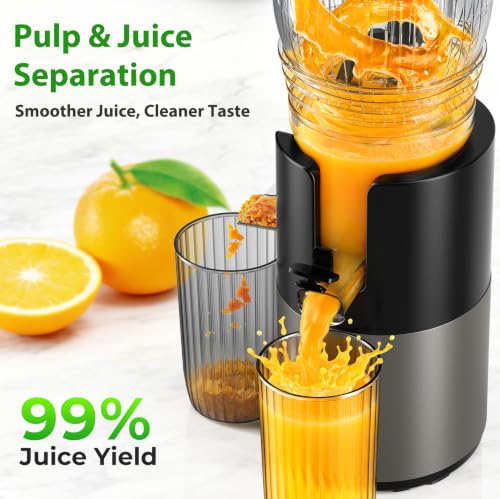
Match the extraction method to what you actually juice: cold-press/masticating designs usually waste less on leafy greens, celery, carrots, and mixed produce, while dedicated citrus presses should be judged by how completely they clear oranges, lemons, limes, and grapefruit without requiring repeated passes. Check for visibly dry pulp, adjustable pressure or pulp control, and a screen/auger system that does not leave wet mash behind; avoid machines that look fast but eject noticeably damp pulp, especially if you buy expensive greens or organic produce. Owner feedback supports using pulp dryness as a practical yield signal, with many buyers reporting generous juice output, smooth low-pulp results, and fairly dry pulp across apples, carrots, celery, leafy greens, and citrus.
Juice
Juice quality determines whether you actually enjoy what the machine makes: the best juicers produce fresh-tasting juice with balanced flavor, a smooth texture, and a pulp level that matches your preference. Look for consistent extraction from both soft and hard produce, and watch out for juicers that leave drinks foamy, watery, overly pulpy, or quickly separated.
Prioritize juice quality based on your intended drinks: if you want low-foam green juice, ginger shots, nut milk, or smooth mixed vegetable juice, look for slow cold-press extraction, fine strainers, and the ability to handle fibrous ingredients without clogging. If you mostly juice soft fruit or citrus, a simpler design may be fine, but shoppers who expect spinach, kale, wheatgrass, celery strings, or ginger to process cleanly should verify that the machine is specifically strong with fibrous produce, not just apples and oranges. Owner reports generally praise fresh, smooth juice with minimal foam or fiber and dry pulp, but they also show an important caution: some models that do well with everyday fruits and vegetables are weaker on leafy greens and ginger.
Ease
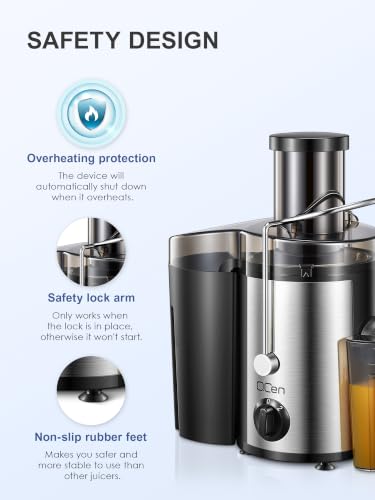
A juicer that’s easy to assemble, operate, and take apart is more likely to become part of your daily use instead of sitting in a cabinet. Look for clear controls, parts that fit together intuitively, a feed chute that suits the produce you use most, and a design that doesn’t require awkward prep or constant stopping. Watch out for machines with too many small pieces, fussy locking mechanisms, or complicated steps that make regular juicing feel like a chore.
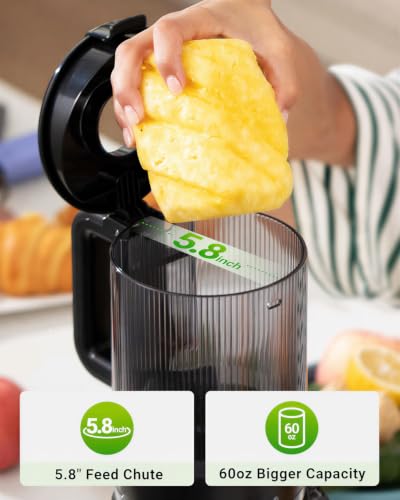
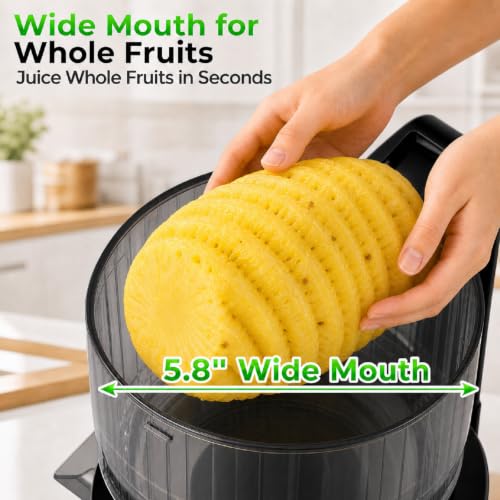
For daily juicing, ease is less about one-button operation and more about reducing prep, jams, and reassembly mistakes: look for a feed chute large enough for your produce routine, clear alignment marks, a stable pusher, a reverse function for masticating units, and parts that lock securely without fiddling. Wide chutes can save chopping time, but they should still have safe anti-reach design and a pusher you will actually use; for manual citrus tools, leverage and handle comfort matter more than motor specs. Owner sentiment backs this up: buyers repeatedly value machines and presses that assemble, operate, disassemble, and clean simply, with large chutes and well-designed handles making frequent use feel practical rather than tiring.
Build
You want a juicer that feels solid because frequent pressure, vibration, and contact with acidic produce can expose weak materials or loose-fitting parts over time. Look for sturdy housing, well-seated components, durable strainers or augers, and parts that lock together cleanly without flexing, rattling, or feeling brittle. Be cautious of flimsy plastic pieces, awkward latches, or assemblies that seem hard to clean and reassemble, since those can affect long-term reliability.
Choose build quality around the stress points of juicing: hard carrots and beets strain motors and gears, celery and greens stress augers and screens, and citrus acid can attack low-grade metal, paint, and cheap coatings. Look for a rigid base that will not walk on the counter, stainless or durable food-contact parts where acidic juice hits, strong hinges or handles on citrus presses, tight-fitting screens, and replacement availability for strainers, seals, and pulp containers; avoid painted squeezers that may chip and flimsy plastic locking tabs that carry load. Owner feedback is consistent with these priorities, as shoppers praise sturdy, well-engineered machines, heavy-duty manual presses, durable stainless construction, and units that keep working well over extended use.
Performance
You want a juicer with enough power and the right mechanism to handle the produce you actually use, from soft citrus to dense carrots and fibrous greens. Look for consistent yield, smooth operation across speeds, and minimal clogging or stalling; watch out for machines that work well only on easy ingredients but struggle with tougher tasks or require frequent stopping to clear pulp.
Evaluate performance by ingredient workload, not just wattage: centrifugal machines should handle hard produce quickly without overheating, while cold-press models should pull fibrous vegetables through steadily, run quietly, and include reverse or anti-jam features. For citrus, the key performance test is whether the cone or press clears fruit halves thoroughly without spraying, slipping, or leaving a wet rind; for whole-produce units, look for stable operation, good pulp separation, and consistent output across hard fruit, soft fruit, vegetables, and greens. Owner sentiment supports these benchmarks, with buyers praising strong extraction, dry pulp, dependable daily operation, effective citrus performance, large feed chutes that reduce prep, and enough power for varied produce.
Cleaning
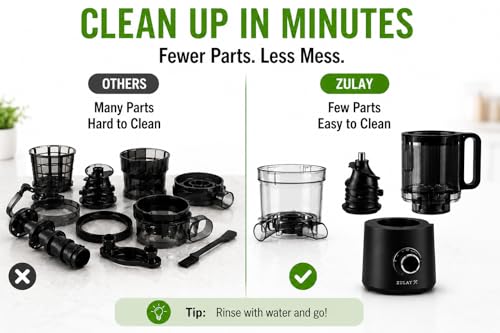
A juicer that’s hard to clean can quickly turn daily juice into a chore, so you’ll want parts that come apart easily, rinse clean without lots of scrubbing, and are simple to reassemble. Pay close attention to screens, strainers, and pulp outlets, since fine mesh and narrow channels can trap fibers and lead to clogging if they aren’t cleaned promptly.
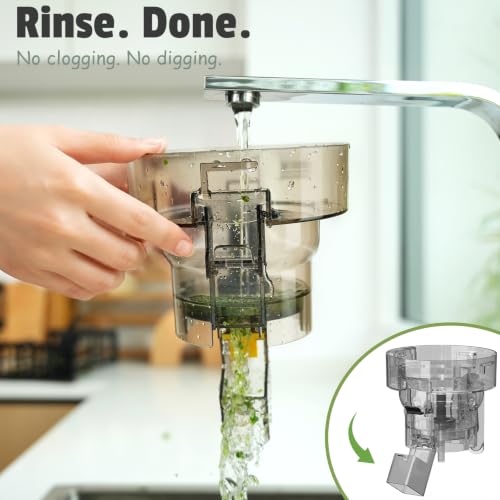
Cleaning is the make-or-break issue for juicers, so inspect the number of parts, screen design, pulp pathways, gasket areas, and whether fibers can lodge in corners before choosing. Fine mesh screens and auger housings must rinse clean quickly or come with an effective brush; dishwasher-safe claims help, but citrus pulp, celery strings, and carrot residue often still require immediate rinsing to prevent staining, odors, and clogged holes. Owner feedback strongly reinforces this: the most satisfying juicers are described as easy to take apart, rinse, and reassemble, with little pulp trapped in awkward spots and cleanup simple enough to support regular use.
1,000,000+ shoppers use Buyer's Guide every week to find the best products and services online.

Helping millions of users make smarter purchases online.


