





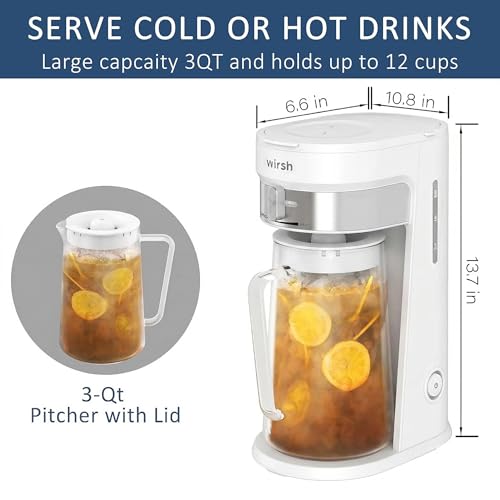


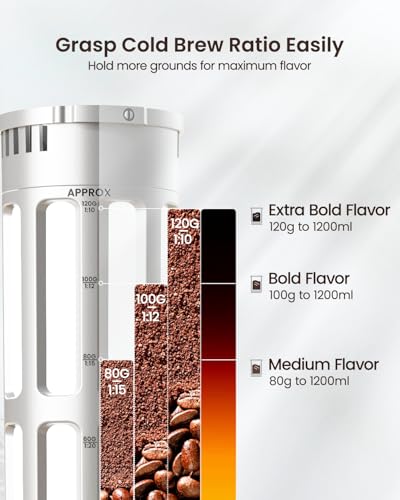


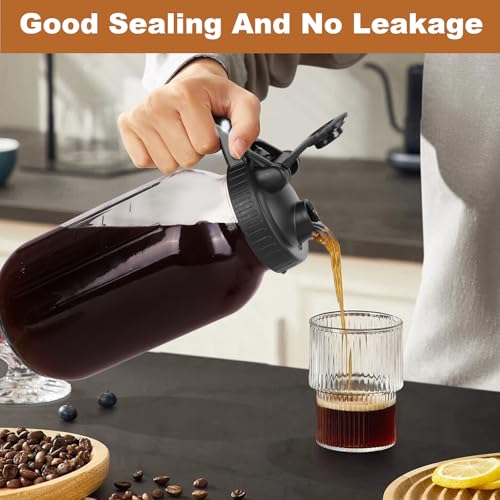


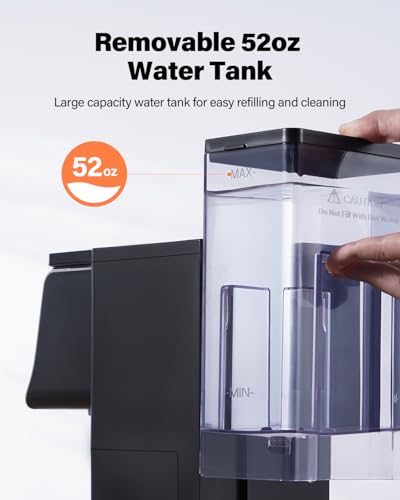


We also considered 10 others:


Our Top Choice
Compare Features


The order above is not editorial opinion, and it is not paid placement. It comes from what shoppers across our network actually do - which iced tea machines they compare, and which they ultimately buy. We re-rank as new data comes in, so the long-term favorites have to keep earning their spot against new entrants. The full method, including how we make money.
Iced Tea Machines Buyer's Guide
Iced tea machines are bought for one main tradeoff: they should make a full cold pitcher faster and more consistently than steeping by hand, without turning daily tea into a cleanup chore. The sharpest concerns are whether the machine brews strong, flavorful tea over ice and whether the pitcher, basket, and small plastic parts can survive frequent use.
Tea Quality
Iced tea machines brew a concentrated hot tea that is diluted by ice, so weak extraction becomes obvious in the final pitcher. Strength adjustment, basket design, and temperature consistency matter more here than they do for simple cold-steeping pitchers. A good machine should let a frequent tea drinker repeat the same taste without constant measuring and guessing.
Look for a brew system that sends hot water evenly through the basket, has clear strength control, and can handle both tea bags and loose tea without weak edges or bitter over-extraction. For sweet tea, the machine should brew hot enough to dissolve sugar before dilution over ice, and the pitcher markings should make the tea-to-ice ratio repeatable. Owner sentiment strongly supports making flavor a top criterion: buyers repeatedly praised flavorful iced tea, consistently tasty results, and good brewing temperature for sweet tea batches.
Pitcher Output
The point of a dedicated iced tea maker is having cold tea ready without waiting hours for steeping. Capacity that is too small creates constant rebatching, while oversized pitchers can be awkward to store and pour. The best size is the one that matches your refrigerator space, serving pattern, and how quickly the machine can produce another batch.
Choose capacity around how you actually serve: a household may want a pitcher that fits easily in the refrigerator door, while parties and heavy tea drinkers need gallon-size output or multiple pitchers ready in rotation. Check that the brew cycle is fast enough for back-to-back batches, that fill lines are easy to read, and that a full pitcher is still comfortable to lift and pour. Owners valued quick, simple brewing, convenient gallon-size pitchers, and large-capacity setups for parties or frequent drinking.
Easy Routine
Iced tea makers tend to be used often, so small annoyances become daily friction. A machine that is easy to load, brew, pour, and rinse is more likely to stay on the counter instead of being stored away. Cleaning is especially important because tea tannins, sugar, and infusions can leave residue or lingering flavors.
Prioritize simple fill-and-brew controls, removable brew baskets, wide-mouth pitchers, and parts that rinse clean without trapping tea leaves, sugar, or fruit pulp. If you plan to make sweet tea often, avoid designs with narrow channels or hidden crevices where sticky residue can build up; if using loose tea, make sure the filter is easy to empty. Owner feedback repeatedly favored machines that were straightforward to operate, quick to set up, easy to clean, and practical for frequent use or entertaining.
Pitcher Build
In this category, the pitcher is not just an accessory; it is the brewing vessel, serving container, and storage container. If it cracks, warps, leaks, or becomes hard to pour, the whole machine becomes less useful. Replacement availability and robust materials can matter as much as the motor or heating element.
Inspect the pitcher as carefully as the brewer: it should have a sturdy handle, a secure lid, clear markings, and material thick enough for daily lifting, refrigerator storage, and occasional bumps. Because hot tea concentrate meets ice inside the pitcher, avoid flimsy containers that feel brittle, flex excessively, or are hard to replace if cracked. Owners flagged pitcher durability as the biggest watch-out, specifically thin or fragile construction that made drops and daily use feel risky, and some were less enthusiastic when the overall build felt like cheap plastic.
Drink Flexibility
Many shoppers buy an iced tea machine for tea but end up using it for flavored drinks, herbal infusions, or iced coffee. The right accessories make that flexibility convenient instead of messy. Compatibility matters because fine tea leaves, coffee grounds, and fruit pieces all strain differently.
If you want more than plain black tea, look for an infuser or filter that works with loose tea, tea bags, fruit, herbs, and iced coffee without letting grit into the pitcher. Multiple pitchers are especially useful if you rotate between sweet tea, unsweet tea, coffee, and flavored drinks, because they reduce flavor carryover and let one batch chill while another is brewed. Owner sentiment supports this: included pitchers and an infuser were seen as practical for switching between tea, coffee, and other iced drinks without needing extra accessories.
Long-Term Value
A dedicated iced tea machine pays off only if it keeps producing pitchers with little fuss. Reliability, replaceable wear parts, and easy maintenance are what separate a useful countertop appliance from a short-lived novelty. For frequent use, the cost of failed pitchers or broken accessories should be considered part of the buying decision.
Judge value by how often you will use the machine, whether the pitcher and basket can be replaced, and whether the design is simple enough to remain reliable after repeated brew cycles. Frequent tea drinkers may benefit most because a dependable machine can reduce bottled-tea buying, but fragile plastic or unavailable replacement parts can erase that advantage quickly. Owners described some machines as reliable daily brewers, trouble-free in early use, and working as expected, while also noting that value felt mixed when construction seemed cheap.
1,000,000+ shoppers use Buyer's Guide every week to find the best products and services online.

Helping millions of users make smarter purchases online.


