





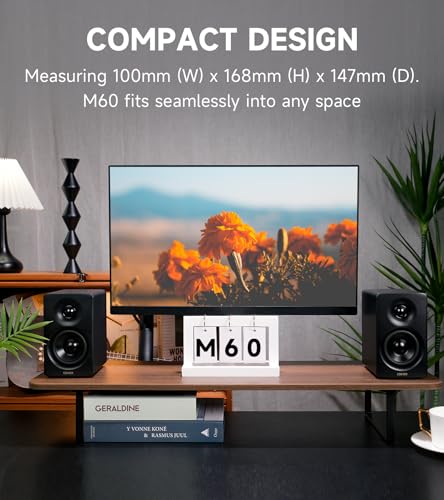
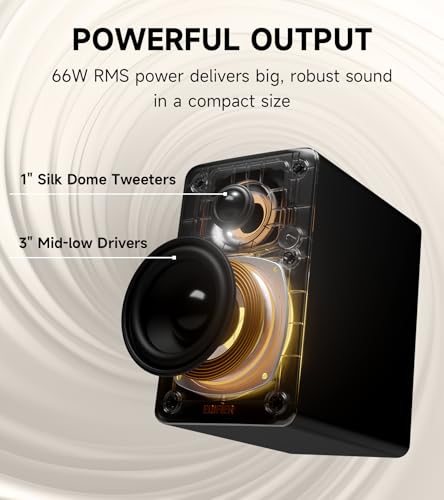


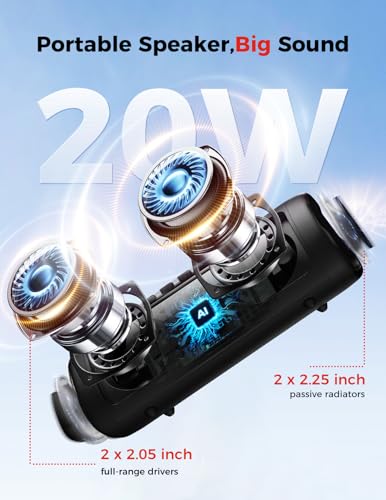





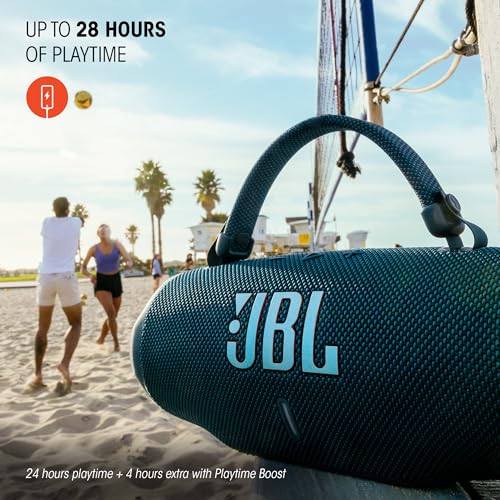





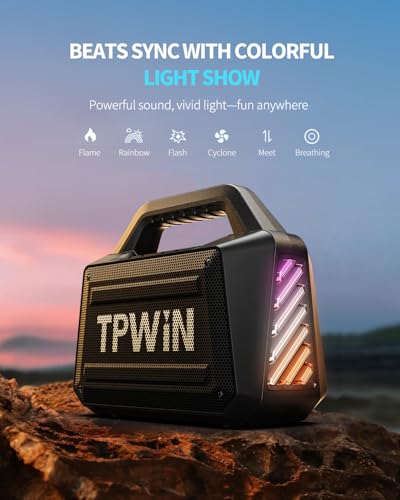


We also considered 10 others:


.png)


Our Top Choice
Compare Features


The order above is not editorial opinion, and it is not paid placement. It comes from what shoppers across our network actually do - which high quality bluetooth speakers they compare, and which they ultimately buy. We re-rank as new data comes in, so the long-term favorites have to keep earning their spot against new entrants. The full method, including how we make money.
High Quality Bluetooth Speakers Buyer's Guide
High-quality Bluetooth speakers are a tradeoff between portability, ruggedness, battery life, and sound that stays clean when you turn it up. The sharpest checks are whether the speaker can survive your real environment—pool, beach, garage, campsite, or kitchen—and whether its claimed loudness, bass, and runtime hold up outside ideal conditions.
Build
Build quality matters because speakers are often moved, played loudly, and expected to last for years without rattles, loose connections, or worn controls. Look for solid cabinets, secure grilles, stable feet or mounting points, and connectors that feel firm, and be wary of flimsy plastic, buzzing panels, or controls that feel loose out of the box.
For build, verify the protection is real for where you will use it: look for a stated IP rating, sealed charging ports, corrosion-resistant buttons/mesh, grippy feet, and a shape that will not roll off a table or pool ledge. If it will live outdoors, avoid speakers with flimsy port flaps, exposed fabric that traps sand, or “waterproof” claims without a rating; if it will be moved daily, check for a secure strap, reinforced corners, and controls you can use with wet hands. Owner feedback supports prioritizing this: buyers often praise sturdy, premium-feeling construction, waterproof outdoor designs, and compact bodies that are easy to carry without feeling bulky.
Connectivity
Reliable connectivity matters because even great speakers are frustrating if they drop out, lag, or make pairing a hassle. Look for easy Bluetooth pairing, stable wireless range for your space, and support for the connection types you actually use, while watching for complaints about intermittent dropouts or trouble reconnecting to familiar devices.
For connectivity, do not stop at “has Bluetooth”: check the Bluetooth version, pairing memory, automatic reconnect behavior, multipoint support if two people will share it, and whether stereo/party pairing only works with identical models. For video, calls, or gaming, look for low-latency support or an auxiliary input because some high-quality speakers still have noticeable Bluetooth delay; for patios, campsites, and events, stable range through walls and open space matters more than a flashy app. Owner sentiment backs this up, with buyers repeatedly valuing quick setup, dependable pairing, automatic reconnecting, and stable connections around homes, events, workdays, and campsites.
Sound
You’ll want speakers that sound clear and balanced at the volumes you actually use, whether you’re listening quietly or filling a room. Pay attention to bass that feels full without muddying voices or instruments, and watch for distortion, hiss, rattling, or harshness as the volume rises.
For sound, match the speaker’s tuning and radiation pattern to the space: front-firing models can sound stronger when aimed at listeners, while 360-degree designs are better for groups; larger passive radiators and DSP can add bass, but listen for distortion or bass drop-off at high volume. Check whether it stays clear near maximum volume, has an EQ or app controls, and whether it is true stereo or effectively mono—especially if you care about imaging, vocals, or outdoor coverage. Owner reports reinforce these priorities: shoppers consistently like compact speakers that sound bigger than expected, with clear output, strong bass, and enough volume for rooms, pool areas, and outdoor use.
Value
You want a speaker that feels worth what you paid, not just one with impressive specs or flashy features. Look for the best balance of sound quality, build, connectivity, battery life if portable, and useful extras for how you actually listen. Watch out for paying more for features you will not use or for a low price that comes with weak sound, poor durability, or frustrating controls.
For value, pay for the features that affect daily use: clean sound at the volume you need, real water/dust resistance, battery runtime at realistic volume, durable controls, and reliable Bluetooth. Be cautious of models that spend the feature budget on lights, oversized spec claims, or novelty modes while cutting corners on drivers, sealing, charging hardware, or firmware support. Owner feedback suggests the best buys are the ones that combine easy setup, strong sound, solid build, and dependable battery life rather than merely offering an impressive spec sheet.
Size
Size affects where you can use a speaker, how easily you can carry it, and whether it fits naturally on a shelf, desk, counter, or in a bag. If you plan to move it often, look for a compact shape, manageable weight, and easy-grip design; if it will stay in one spot, make sure its footprint suits the space and leaves room for cables or controls. Watch out for speakers that are small enough to carry but too bulky for your usual storage or travel setup.
For size, decide whether you need pocketable portability, bag-friendly travel, or enough cabinet volume for real bass and outdoor loudness; very small speakers are convenient but cannot move as much air. Check the footprint as well as the weight: cylindrical speakers may fit bottle cages, slim ones pack flat, and wider units may be more stable on tables, boats, or pool decks. Owner sentiment aligns with this tradeoff, with buyers appreciating small, lightweight speakers that are easy to move between rooms, take outside, use near the pool, or pack for travel while still sounding fuller than their size suggests.
Battery
Battery life matters if you want to use your speaker away from an outlet, whether that’s around the house, outdoors, or while traveling. Look for enough rated runtime to cover your typical listening sessions, and watch for tradeoffs such as longer recharge times, proprietary chargers, or reduced battery life at higher volumes.
For battery, treat advertised runtime as a best-case number and check whether it is measured at low or moderate volume; outdoor use, heavy bass, lights, and maximum volume can cut playtime sharply. Look for USB-C charging, a reasonable full-charge time, battery status indicators, the ability to play while charging, and whether the waterproof rating still applies when the port cover is open; for long-term ownership, consider that sealed batteries will degrade. Owner feedback supports making battery a priority, as buyers often highlight long playtime, fast charging, and the ability to run for hours at work, events, weekends, or loud outdoor sessions without draining quickly.
1,000,000+ shoppers use Buyer's Guide every week to find the best products and services online.

Helping millions of users make smarter purchases online.


