















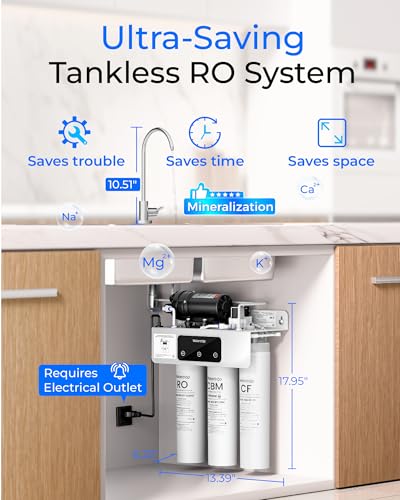


We also considered 10 others:


Our Top Choice
Compare Features


The order above is not editorial opinion, and it is not paid placement. It comes from what shoppers across our network actually do - which hard water filtration systems they compare, and which they ultimately buy. We re-rank as new data comes in, so the long-term favorites have to keep earning their spot against new entrants. The full method, including how we make money.
Hard Water Filtration Systems Buyer's Guide
Hard water filtration is really a choice between scale control, contaminant removal, and better-tasting drinking water—one device rarely does all three unless it is designed as a staged system. The sharpest buying mistake is assuming any “filter” will remove hardness minerals; start with a water test, then match the system to calcium/magnesium hardness, iron, manganese, sediment, chlorine, and your home’s flow demand.
Purity
Purity matters because it determines how much a filtration system can improve the water you drink, cook with, and use every day, including taste, odor, clarity, and the “softness” feel that affects skin, hair, fixtures, and appliances. Look for systems that target the specific issues in your water, such as sediment, chlorine, metals, chemicals, microbes, or hardness minerals, and be wary of vague filtration claims that do not clearly state what contaminants are reduced or how often filters need replacement.
For hard water, do not judge “purity” by clearer taste alone: verify what the system actually removes from your water test, especially calcium/magnesium hardness, iron, manganese, sediment, chlorine/chloramine, and any well-specific contaminants. A carbon or sediment filter can make water look and taste cleaner but will not meaningfully soften water unless it includes ion exchange, reverse osmosis at the drinking tap, or a true softening stage; for rusty wells, prioritize staged sediment plus iron/manganese treatment before fine filtration so fixtures and cartridges do not foul quickly. Owner feedback supports this distinction: buyers often report cleaner-tasting water, less chlorine smell, and major improvements on problem well water with rust, iron, manganese staining, and sediment reduced before reaching fixtures.
Taste
If your filtered water still tastes or smells off, you’re less likely to drink it or use it for coffee, tea, ice, and cooking. Look for a system designed to reduce common taste and odor issues such as chlorine, sulfur-like smells, or earthy notes, and check that its filter type matches the source of your problem. Watch for systems that improve taste without addressing broader contaminants if you also need filtration for health-related concerns.
Taste improvement in a hard-water home usually comes from removing chlorine, sulfur/metallic notes, sediment, or dissolved solids at a drinking-water point, not from scale control alone. If your main complaint is harsh, chemical, metallic, or “well” flavor, look for certified carbon filtration and, where dissolved minerals are high, a reverse-osmosis drinking stage; if the system is whole-house only, confirm whether it treats taste at every tap or mainly protects plumbing and appliances. Owner sentiment is strongly positive here, with many households saying filtered water tastes cleaner, fresher, crisper, and close enough to bottled or purified water to reduce bottled-water use, especially when chlorine or chemical flavors were the problem.
Flow
You want a water filtration system that keeps filtered water moving at a usable pace, especially if you’re filling pitchers, cooking, showering, or supplying multiple fixtures. Check the rated flow rate and any impact on water pressure, and watch for systems that slow noticeably as filters age or when more than one tap is in use.
Size flow around the highest-demand hard-water use case in your home: showers, laundry, dishwasher, and multiple fixtures running at once. Whole-house systems need adequate service flow rate, port size, and media capacity or they can cause pressure drop; fine sediment cartridges, iron filters, and undersized softeners can clog or restrict flow faster in hard well water, so check rated gallons per minute, backwash requirements, and replacement intervals for your measured water conditions. Owners generally like compact tankless and under-sink designs when pressure remains good, but feedback is mixed on flow, with some satisfied and others noticing slower faucets or a meaningful pressure drop after installation.
Build
Build quality matters because a water filtration system sits under pressure and often near cabinets, floors, or appliances where leaks can cause damage. Look for sturdy housings, secure fittings, well-made valves, and clear installation hardware; watch out for flimsy plastic threads, vague connector specs, or owner reports of leakage, cracking, or difficult seal-ups.
For this category, build quality is about resisting mineral fouling, pressure stress, and wet-location failure over years, not just feeling sturdy out of the box. Look for durable housings rated for your household water pressure, bypass valves for service, leak-safe fittings, replaceable O-rings, corrosion-resistant heads, clear cartridge access, and media tanks or cartridges appropriate for high hardness, iron, or sediment loads; avoid flimsy plastic threads or proprietary filters if replacement availability is uncertain. Owners tend to reward systems that feel dependable, are easy to service, and keep producing steady filtered water, and they also value support that helps configure the system correctly for the home’s water conditions.
Installation
Installation matters because it determines whether you can set up the water filtration system yourself, need a plumber, or risk leaks and poor performance from an improper fit. Look for clear instructions, all necessary hardware, and compatibility with your sink, faucet, plumbing, countertop, or available under-sink space. Watch out for systems that require drilling, electrical access, unusual fittings, or frequent repositioning if you want a simpler setup.
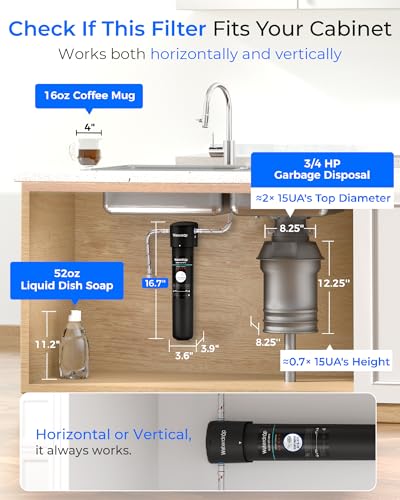
Before buying, map exactly where the system must tie in: whole-house units usually belong after the pressure tank or main shutoff and before the water heater, while drinking-water reverse osmosis needs under-sink space, a faucet hole, drain connection, and sometimes a storage tank or pump. Hard-water homes may also need a sediment prefilter, drain access for backwashing or softener regeneration, an electrical outlet, enough clearance for media tanks, and a bypass loop so you can service the system without shutting down the house; tight cabinets and older plumbing can turn a “simple” install into a more involved job. Owner reports are favorable when instructions are clear, tubing is color-coded, connections are basic, and filter changes are simple, though physical fit and cabinet space remain real constraints.
Performance
You want a filtration system that consistently improves your water quality without slowing to a trickle, leaking, clogging too often, or requiring constant attention. Look for clear performance certifications or test data tied to the contaminants you care about, and make sure the system’s flow rate and capacity match your household’s daily use. Be wary of vague claims that it “purifies” water without specifying what it removes and under what conditions.
Performance should be measured against the hard-water failure you are trying to stop: scale buildup, soap scum, appliance damage, orange/black staining, rotten or metallic odors, sediment, or poor drinking taste. Choose ion exchange if you need actual hardness reduction, salt-free conditioning only if your goal is scale control without removing hardness, iron/manganese treatment for staining wells, sediment prefiltration for grit, and point-of-use reverse osmosis for low-TDS drinking water; then confirm capacity, regeneration/backwash cycle, filter life, and maintenance match your water test and daily gallons. Owner experiences back this up: systems are praised when they quickly reduce rust, iron, staining, sediment, odors, and dirty-feeling water, while compact all-in-one designs and simple filter changes are appreciated when they continue working without creating new hassles.
1,000,000+ shoppers use Buyer's Guide every week to find the best products and services online.

Helping millions of users make smarter purchases online.


