


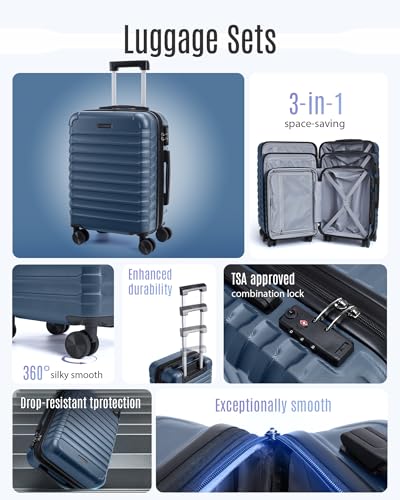





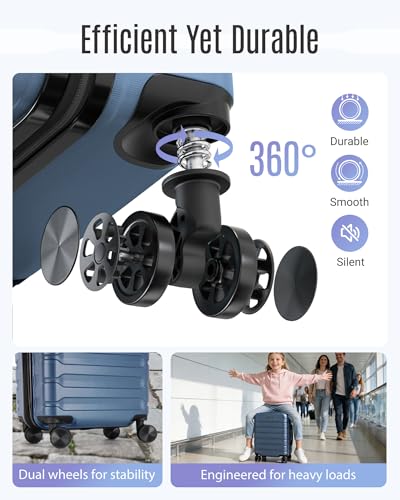


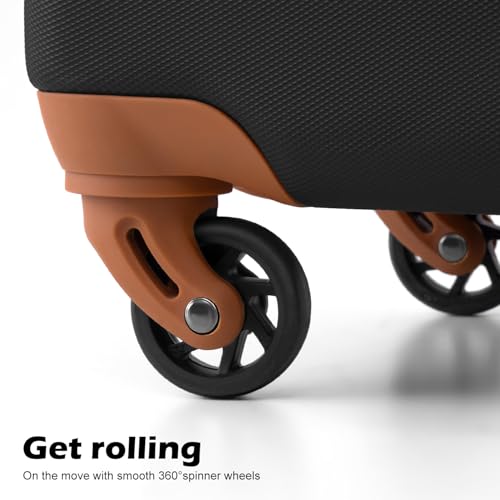
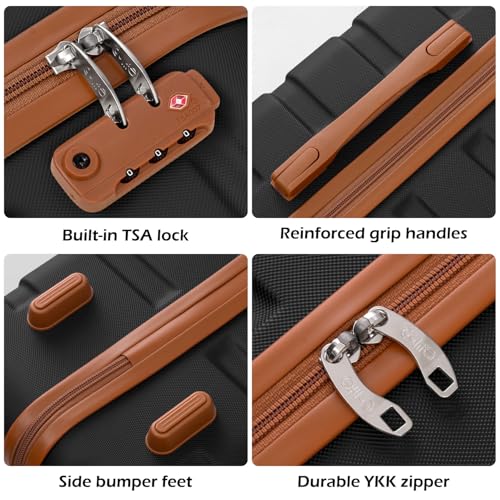






We also considered 10 others:


Our Top Choice
Compare Features


The order above is not editorial opinion, and it is not paid placement. It comes from what shoppers across our network actually do - which hard shell suitcases they compare, and which they ultimately buy. We re-rank as new data comes in, so the long-term favorites have to keep earning their spot against new entrants. The full method, including how we make money.
Hard Shell Suitcases Buyer's Guide
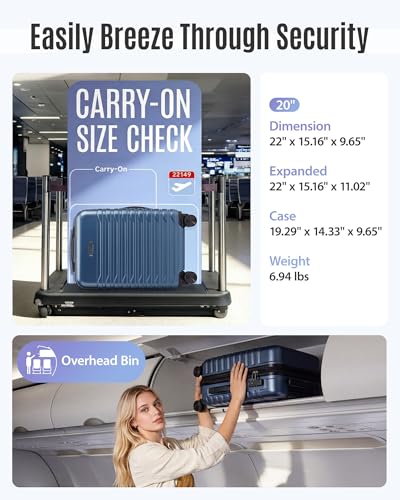
Hard-shell suitcases trade flexible packing pockets for better crush resistance, cleaner looks, and easier wipe-downs, but the details decide whether they survive real travel. The biggest checks are shell material and thickness, exposed spinner-wheel durability, and exact outside dimensions including wheels and expansion, because hard cases cannot be squeezed into airline sizers.
Build
Build quality matters because a luggage set has to survive repeated packing, lifting, stacking, and rough handling without splitting seams, cracking shells, or failing at the zipper. Look for sturdy materials, reinforced corners, secure handles, smooth-but-tough zippers, and consistent stitching or shell construction across every piece in the set. Watch out for flimsy pulls, wobbly handles, thin fabric, brittle plastic, or zippers that snag, since those are often the first weak points to show up in travel.
Choose a shell material and frame that match how the bag will be handled: frequent checked-bag travelers should prioritize flexible polycarbonate or a PC blend, reinforced corners, protected wheel housings, and handles mounted with solid backing; avoid very rigid, thin shells that feel brittle, since hard cases can crack rather than dent when crushed. For carry-ons, low weight matters, but not at the expense of flimsy zippers, wobbly handles, or weak wheel mounts. Owner feedback supports this tradeoff: shoppers often praise lightweight hard-shell cases that are easy to lift, while sets that feel sturdy, reliable, and well made are repeatedly valued for holding up through real trips and frequent travel.
Mobility
Mobility matters because a luggage set that rolls smoothly and steers easily can make airports, sidewalks, and hotel corridors much less tiring—especially when you’re managing multiple bags. Look for sturdy spinner or inline wheels, a stable telescoping handle, and bags that track straight without wobbling or tipping; watch out for flimsy handles, noisy wheels, or designs that feel hard to control when packed.
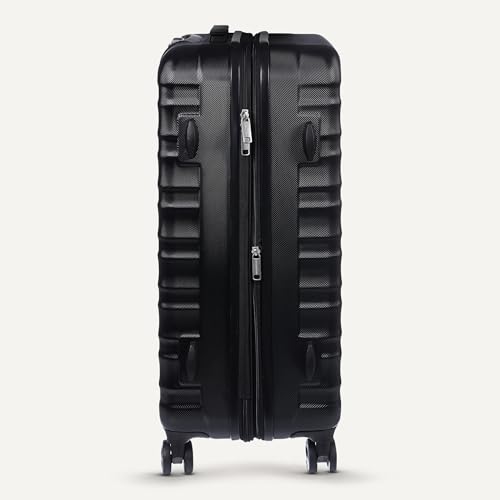
For hard-shell luggage, mobility depends less on the shell and more on the exposed spinner system: look for double spinner wheels, tight axle alignment, smooth 360-degree rotation, and wheel housings that are recessed or reinforced, because spinner wheels are the first parts to take impact on curbs, jet bridges, and baggage belts. Also check that the telescoping handle has minimal flex when the case is fully packed; a hard shell encourages overpacking, which can make a weak handle or small wheels frustrating fast. Owner sentiment strongly backs prioritizing this area, with buyers repeatedly highlighting smooth, stable multidirectional rolling, manageable weight, and easy movement through airports, hotels, transfers, and long terminal walks.
Design
Your luggage set’s design matters because it affects how easily you can spot your bags, how well the pieces coordinate, and whether the look suits both casual and professional travel. Choose colors and styling you’ll still like over time, and consider distinctive but not overly trendy details that help your bags stand out without showing every scuff or scratch.
Pick the finish for visibility and wear, not just appearance: glossy hard shells show scuffs quickly, textured matte shells hide abrasion better, and distinctive colors help at baggage claim but may still need a tag or strap because many modern hard-shell bags look similar. If choosing pale colors, expect marks from belts and bins; if choosing very dark colors, prioritize unique accents or a bright luggage tag for identification. Owners commonly praise attractive colors, polished finishes, and matched sets that look better than expected, with bright or distinctive designs also helping travelers spot bags more easily.
Size
Size determines whether your luggage set fits the way you actually travel, from overhead-bin carry-ons to larger checked pieces for longer trips. Look for dimensions that match common airline limits and your storage space at home, and remember that wheels, handles, and expandable sections can affect the real fit. A good set should give you useful size variety without leaving you with pieces that are too bulky, too small, or redundant.
Measure the outside dimensions including wheels, handles, bumpers, and any expansion depth, because hard-shell suitcases do not compress into sizers the way soft bags sometimes can. For carry-on use, be especially careful with expandable models: the extra capacity is useful, but expanding can push the case over airline limits or make overhead-bin fit less certain; for personal-item hard cases, under-seat fit is airline- and aircraft-dependent, so exact dimensions matter. Owner feedback aligns with this: shoppers like carry-ons that feel roomy without seeming oversized, expandable cases that hold more for short trips, sets that cover multiple trip lengths, and compact under-seat cases that still fit clothes, toiletries, and small electronics.
Value
You want a luggage set that feels like good value for money, not just the cheapest option on the shelf. Look for durable materials, smooth-rolling wheels, reliable zippers, and usable size variety for the price, and be wary of sets that add extra pieces you won’t use or cut corners on parts that take the most abuse.
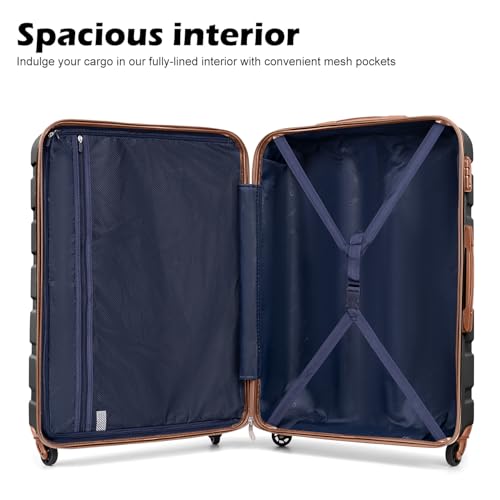
Judge value by the failure points, not just the number of pieces: a low-cost hard-shell set is only a good deal if the zippers track smoothly, wheels are replaceable or strongly mounted, handles do not wobble excessively, the interior dividers are usable, and the built-in lock is aligned and easy to set. Multi-piece sets can be efficient if you will actually use all sizes, but avoid paying for extra cases that duplicate capacity or exceed your airline habits. Owner sentiment supports the value case when construction feels sturdy for the money, with buyers often praising practical budget-friendly carry-ons, three-piece sets with useful sizes, organized interiors, TSA-style locks, strong-feeling zippers, and quality that feels better than expected.
Travel
You’ll want a luggage set that matches how you actually travel, whether you’re packing for quick flights, long family trips, road travel, or cruises. Look for travel-friendly features like smooth-rolling wheels, usable interior organization, easy-access pockets, nesting storage, and practical charging capability, but watch out for add-ons that reduce packing space or add unnecessary weight.
Match the suitcase to your travel pattern: for short air trips, prioritize a light carry-on with compliant dimensions, smooth spinners, and an organized clamshell interior; for checked travel, prioritize impact resistance, reinforced corners, secure zippers or latches, and easy-to-grab top and side handles. Hard shells protect against light crushing and moisture better than many fabric bags, but they open like a clamshell and need floor or bed space, so hotel-room packing style matters too. Owners report the strongest travel satisfaction when the bag combines practical capacity, easy rolling, reliable handles, smooth zippers, built-in locking, and colors that are easy to spot while moving through airports and transfers.
1,000,000+ shoppers use Buyer's Guide every week to find the best products and services online.

Helping millions of users make smarter purchases online.


