













We also considered 10 others:


Our Top Choice
Compare Features


The order above is not editorial opinion, and it is not paid placement. It comes from what shoppers across our network actually do - which hair clippers they compare, and which they ultimately buy. We re-rank as new data comes in, so the long-term favorites have to keep earning their spot against new entrants. The full method, including how we make money.
Hair Clippers Buyer's Guide
Hair clippers have to balance cutting torque against control: a tool that feels fast on short touch-ups can still bog down, pull, or leave lines when you are doing a full head haircut or blending thick hair. The sharpest concerns are blade-and-guard precision, enough sustained power to finish evenly, and a setup that is safe and manageable when you are cutting your own neckline, ears, or fade zones.
Shave
A shaver’s cutting performance determines how close, smooth, and efficient your shave feels, especially if you have coarse hair, sensitive skin, or need to cover tricky areas like the jawline and neck. Look for consistent hair removal with minimal repeat passes, good trimming performance on longer stubble, and blades or cutters that stay sharp enough to avoid tugging, irritation, or uneven patches.
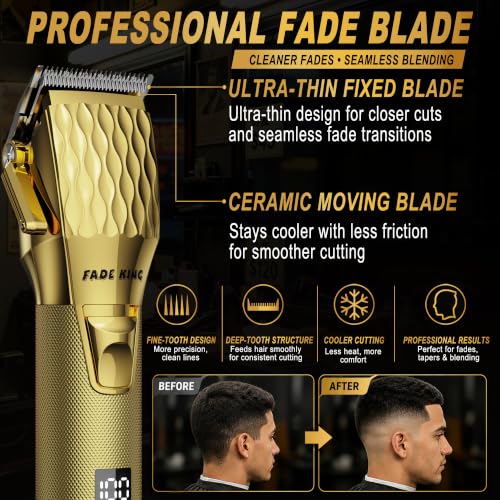
For the closest, cleanest cut, prioritize sharp, well-aligned blades, a motor that does not slow in dense hair, and guards that seat firmly without wobble; avoid using a small detail or beard trimmer as your main head clipper unless you only need edging or very short touch-ups. If you plan fades, check for a usable taper lever and consistent blade travel, because uneven blade movement or loose guards can create harsh lines and missed patches. Owner feedback supports this: shoppers most often praise clippers that cut quickly, cleanly, and evenly without pulling, especially when they feel powerful enough for thicker hair, regular haircuts, beard work, edging, and neat lineups.
Quality
Quality matters because an electric shaver is a device you’ll handle often, rinse or clean regularly, and expect to work consistently over time. Look for solid construction, well-fitted parts, durable shaving heads or foils, and controls that feel secure rather than flimsy; watch out for loose caps, cheap-feeling plastics, weak hinges, or designs that seem difficult to clean or maintain.
Look for build quality in the parts that affect the cut, not just the outer finish: rigid blade mounting, smooth lever action, guards that do not flex, a housing that does not rattle under load, and materials that tolerate cleaning and oiling. For bathroom or body-grooming crossover use, confirm whether the unit is actually waterproof or only washable, and do not assume wet-use safety unless it is specified; moisture intrusion, blade rust, and charging-port exposure are common long-term failure risks. Owner sentiment backs the importance of sturdiness, with buyers favoring tools that feel solid, professional, reliable, powerful in hand, and capable of regular wet or dry grooming without losing cutting strength.
Ease
You’ll use an electric shaver often, so it should feel intuitive to turn on, adjust, clean, and maneuver without awkward grip changes or confusing controls. Look for a comfortable handle, easy-to-reach buttons, a size and weight that suit your hand, and a design that’s simple to pack or store if you travel. Watch out for bulky bodies, slippery finishes, or attachments that make everyday use more fiddly than it needs to be.
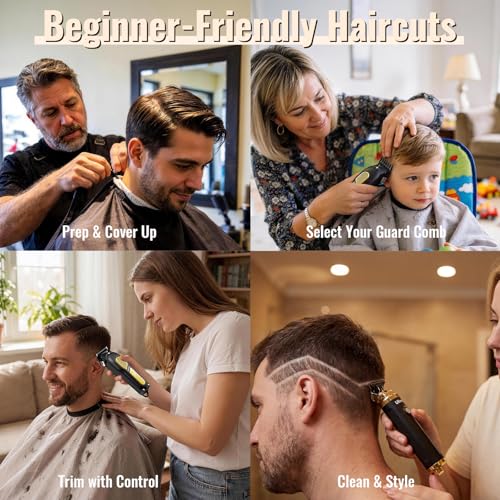
For home haircuts, especially self-cuts, choose clippers that are easy to orient around the crown, ears, and neckline: cordless handling, a grippy body, clear guard labels, and simple attachment changes matter more than a complicated multi-function layout. Beginners should favor color-coded or high-contrast guards and a taper lever with clear positions, because misreading tiny guard numbers or swapping guards mid-cut is how uneven sides and accidental short patches happen. Owners echo this, praising cordless designs, color-coded guards, grippy handles, simple attachments, and kits that make self-grooming and learning home haircuts feel more straightforward.
Battery
Battery life matters because it determines whether your shaver is ready when you are, especially if you travel or shave away from an outlet. Look for enough cordless runtime for multiple shaves, clear charge indicators, and quick-charge capability for last-minute use. Watch out for models that require long charging times, cannot be used while plugged in, or lose performance as the battery runs down.
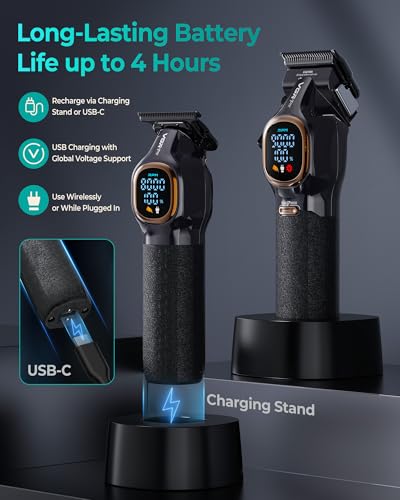
For cordless clippers, verify that the battery can sustain full power through an entire haircut, not merely run for a long time at reduced strength; fading and bulk removal are where weak batteries cause snagging and uneven passes. A charge indicator, USB-C or convenient charging, and enough runtime for multiple sessions are useful, but also check whether the clipper can operate while plugged in if the battery dies mid-cut. Owner reports strongly favor cordless models with long-lasting batteries, visible charge displays, and enough runtime to finish full haircuts or multiple grooming sessions without being tethered to an outlet.
Value
You want an electric shaver that feels worth what you paid, not just one packed with features you may never use. Look for a balance of close, comfortable shaving, reliable battery life, durable build quality, and useful maintenance features; watch out for flashy extras that raise the cost without improving your daily shave.
Judge value by whether the kit covers your actual routine: a full-size clipper for head hair, a smaller trimmer for lines and neckline cleanup, the guard lengths you use, and maintenance basics such as oil, brush, and storage. Avoid being swayed by a large accessory count if the main clipper lacks torque, the guards fit poorly, or the included heads duplicate jobs you will never do; a cheap-feeling bundle can cost more in bad cuts and replacements. Owners tend to see strong value when a set performs like a more capable grooming kit, includes the main tools and guards needed for home haircuts, and can offset repeated barber visits after only a small number of successful cuts.
Accessories
Included accessories can change how useful an electric shaver is beyond a basic shave, especially if you trim sideburns, shape facial hair, groom body hair, or need easy upkeep while traveling. Look for attachments you’ll actually use, such as precision trimmers, guards, cleaning brushes, travel caps, or charging cases, and be wary of bundles that add clutter without improving your routine. Also check whether replacement parts and compatible accessories are easy to find, since that can affect long-term convenience.
Check the accessory system carefully: you want secure guards in the exact lengths needed for your haircut, ideally with left/right ear tapers, blending guards, a detail trimmer or edging head if you line up beards or necklines, and a case that keeps guards organized. For multi-grooming kits, make sure body, nose/ear, beard, and hair attachments are truly separate or hygienically easy to clean, and avoid flimsy guards with weak clips because one pop-off can ruin a cut. Owner feedback supports this focus, with buyers valuing broad but useful attachment sets, separate heads for different grooming jobs, color-coded guards that reduce mistakes, and bundles that include enough guards and extras for beard trimming, body grooming, hairline touch-ups, and length adjustments.
1,000,000+ shoppers use Buyer's Guide every week to find the best products and services online.

Helping millions of users make smarter purchases online.


