

















We also considered 10 others:


.png)


Our Top Choice
Compare Features


The order above is not editorial opinion, and it is not paid placement. It comes from what shoppers across our network actually do - which grills they compare, and which they ultimately buy. We re-rank as new data comes in, so the long-term favorites have to keep earning their spot against new entrants. The full method, including how we make money.
Grills Buyer's Guide
Buying a grill is really a tradeoff between live-fire flavor, temperature control, space, and how much fuel management you are willing to do. The sharpest concerns are matching the fuel type to your cooking style and making sure the grill can safely hold steady heat, create direct and indirect zones, and fit your outdoor space without becoming a maintenance burden.
Build
A grill’s build quality determines how well it holds up to heat, weather, movement, and repeated use outdoors. Look for sturdy construction, stable legs or cart design, durable grates and firebox materials, tight-fitting parts, and a finish that resists rust and peeling. Watch out for thin metal, wobbly frames, flimsy handles, or components that feel loose, since those can signal weaker long-term durability.
For grill build, first match the body to where it will live: stainless or coated steel should feel rigid, lids should close squarely, carts should not twist, and portable models need locking legs/latches that survive transport. If you plan to smoke, check for tight lid fit, controllable vents or exhaust, and enough metal thickness to resist heat swings; for patios or balconies, verify footprint, clearance needs, and safe fuel storage before buying. Owner feedback supports prioritizing sturdiness: buyers frequently describe well-made compact, charcoal, pellet, electric, and combination cookers, with some noting that heavier awkward parts are easier to handle with two people during setup.
Cooking
How well a grill cooks determines whether you can get strong sear marks, even browning, and reliable doneness without constant babysitting. Look for steady heat, enough power for high-temperature searing, good control at lower temperatures, and grates or heat distribution that minimize hot spots and flare-ups. A grill that struggles here may cook slowly, burn the outside before the inside is done, or make it hard to handle common tasks like burgers, vegetables, chicken, and steaks.
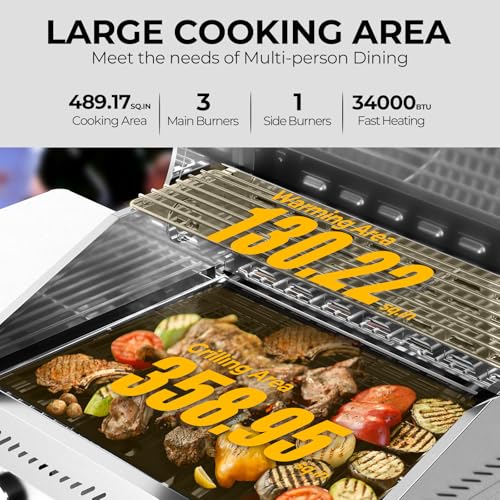
For cooking performance, choose by the food and method you actually use: direct high-heat grilling needs enough grate area and burner/coal access for searing, while ribs, brisket, poultry, and smoking need indirect-zone capability, lid space, stable airflow, and preferably a meat probe or thermometer you can trust. Avoid judging only by total cooking area; warming racks, oddly shaped grates, and firebox layouts can make part of that space less useful for full meals. Owners commonly report quick success with burgers, steak, chicken, vegetables, and smoked meats, and they especially praise grills that offer generous space, indirect-heat flexibility, and reliable grill/smoker versatility.
Ease
You want a grill that feels intuitive from startup to cleanup, because easier controls, clear temperature feedback, and straightforward fuel or ash management help you cook more confidently with fewer interruptions. Look for simple ignition, readable gauges or displays, accessible grates and grease trays, and clear cooking information; watch out for cramped layouts, confusing settings, or maintenance steps that make regular use feel like a chore.
For ease of use, decide how much fire management you want: propane and electric models should have simple ignition, accessible controls, and easy grease handling, while charcoal and pellet grills should make ash, fuel loading, and airflow adjustment straightforward. If you are new to smoking, look for set-and-hold temperature control, clear displays, and a usable probe rather than a design that requires constant vent tweaking. Owner sentiment backs this up: buyers repeatedly call everyday operation approachable, citing fast startup, simple controls, easy propane hookup, movable designs, useful probes, and beginner-friendly smoking.
Assembly
A grill that is difficult to assemble can delay your first cookout and increase the chance of loose parts, poor alignment, or setup mistakes that affect safety and performance. Look for clear instructions, well-labeled hardware, manageable part sizes, and reviews that mention how long assembly takes or whether a second person is needed. Be cautious of grills with vague manuals, many similar-looking fasteners, or complaints about parts arriving bent or misaligned.
For assembly, check the shipping weight, cart complexity, firebox size, and whether large panels or lids require a helper; a grill can be “easy” to assemble but still awkward if you are doing it alone in a small space. Look for labeled hardware, step-by-step diagrams, pre-threaded holes that align cleanly, and access to replacement fasteners, and inspect immediately for bent lids, warped grates, or missing heat shields before seasoning or firing it. Owners generally find grill assembly manageable, especially when hardware is marked and instructions are picture-heavy, though heavier builds are often easier and safer with a second person.
Value
A grill can look like a bargain upfront but cost you in uneven cooking, flimsy materials, poor heat control, or parts that wear out quickly. You want value for money: sturdy construction, dependable performance, useful features you’ll actually use, and a design that suits how often and how you cook. Be wary of paying extra for oversized capacity or add-ons that do not improve your everyday grilling.
For value, judge the full cooking system rather than the lowest upfront cost: useful value comes from durable grates, stable temperature control, enough real cooking space, cleanout features, weather resistance, and included essentials like ash catchers, thermometers, hooks, dampers, or probes. Avoid paying for oversized capacity or extra fuel systems you will rarely use; also factor in covers, fuel, replacement grates, drip trays, and pellets/charcoal/propane over time. Owner feedback consistently supports this practical view of value, with buyers praising grills that combine solid build, versatile grilling and smoking, compact patio usability, generous space, and dependable food results.
Heat
Heat affects how well your grill can sear, cook evenly, and hold steady temperatures for low-and-slow cooking. Look for strong temperature control, consistent heat distribution across the grate, and enough heating performance for the way you cook; watch out for grills with obvious hot spots, weak recovery after opening the lid, or controls that make small adjustments difficult.
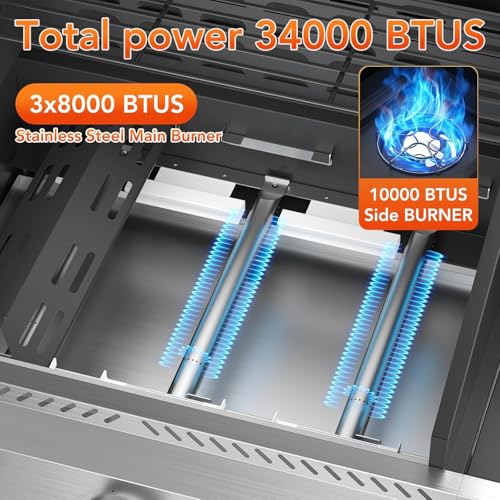
For heat, prioritize controllability over raw output: a good grill should preheat quickly, recover after the lid opens, hold low smoking temperatures without wild swings, and spread heat evenly enough to avoid one side burning while the other lags. Check for multiple burners or adjustable coal zones for two-zone cooking, effective vents for charcoal, insulation or lid fit for smokers, and grate materials that retain heat for searing; hot spots are less of a dealbreaker if the layout lets you manage them predictably. Owners strongly reinforce this priority, frequently praising models with steady temperature control, even cooking across common foods, fast warm-up, dependable heat retention, and set-and-hold performance that reduces babysitting.
1,000,000+ shoppers use Buyer's Guide every week to find the best products and services online.

Helping millions of users make smarter purchases online.


