


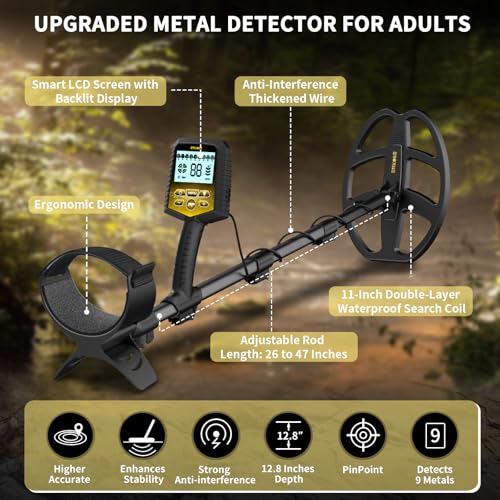


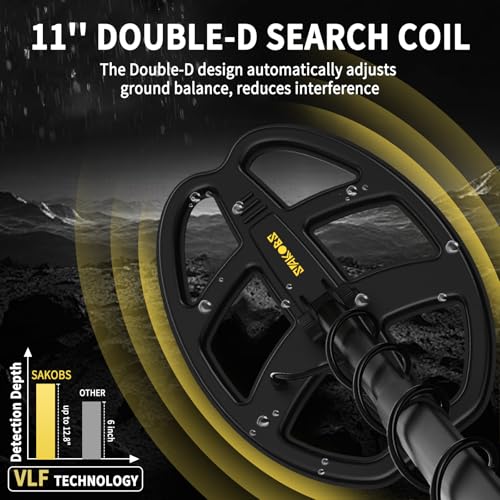


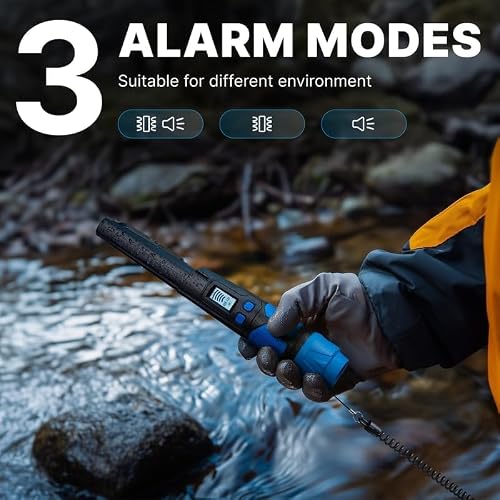


We also considered 10 others:


Our Top Choice
Compare Features


The order above is not editorial opinion, and it is not paid placement. It comes from what shoppers across our network actually do - which good metal detectors they compare, and which they ultimately buy. We re-rank as new data comes in, so the long-term favorites have to keep earning their spot against new entrants. The full method, including how we make money.
Metal Detectors Buyer's Guide
Metal detectors force a tradeoff between simple, fun searching and the terrain-specific features that keep you from digging trash all day. In this niche, the sharpest checks are whether the detector can separate good targets from iron in real soil and whether the parts that touch water or sand are actually built for that environment.
Detection
Detection is the core job of a metal detector, so you want one that can reliably find targets at useful depths while helping you tell likely valuables from junk. Look for strong sensitivity, adjustable discrimination, stable operation in your typical soil or sand conditions, and clear target feedback; watch out for detectors that chatter constantly, miss small targets, or give vague signals that make every find feel like guesswork.
Prioritize a detector that matches where you will actually hunt: adjustable discrimination for trashy yards and parks, ground balance or mineral-handling for red clay and black sand, and a waterproof search coil if you will work wet grass, creek edges, or beaches. Do not judge by maximum-depth claims alone; for lost rings, coins, arrows, property markers, and small jewelry, usable target separation and repeatable signals matter more than a single deep beep. Owner reports support this: shoppers repeatedly praise detectors that distinguish good targets from iron and noise, locate targets several inches down, and still find items in areas already searched; pinpointers also earn praise when they quickly narrow small targets a few inches away or underground.
Build
A well-built metal detector is more likely to handle repeated swings, bumps, dirt, moisture, and transport without developing loose connections, wobbly shafts, or failing controls. Look for sturdy shaft locks, solid coil and cable connections, weather-resistant components, and controls that feel secure rather than flimsy; be cautious of detectors that feel overly lightweight in a cheap way or have parts that flex, rattle, or loosen easily.
Check what is actually waterproof before buying: many detectors have a waterproof coil but a non-waterproof control box, while pinpointers and beach accessories may need true water resistance for surf, puddles, and rinsing. For dirt, beach, and property searches, look for a rigid shaft with little wobble, a secure coil connection, durable coil ears, and hardware that will not loosen after repeated sweeping or sand exposure. Owner sentiment backs this up, with buyers favoring units that feel sturdy yet light, hold up through casual searching, and accessories such as scoops that remain solid without rust or loose welds during beach use.
Ease
You’ll get more out of a metal detector that is quick to assemble, easy to adjust to your height and sweep style, and simple enough to understand before you’re out in the field. Look for clear controls, intuitive menus or knobs, comfortable balance, and beginner-friendly modes, and watch out for designs that require too much tuning or frequent readjustment if you want a smoother learning curve.
For a first detector, choose controls you can understand in the field: clear sensitivity and discrimination settings, readable target indicators, a simple pinpoint mode, and a shaft that adjusts quickly for adults or kids. Avoid machines that require constant menu-diving if the main use is finding lost items, keeping children engaged, or scanning a yard after dropping jewelry or hardware; fast setup and repeatable sweeps are more important than advanced features you will not use. Owners commonly say beginner-friendly models are easy to assemble, easy for kids to figure out, and simple to start using with basic instructions, while pinpointers are especially valued because they shorten the dig by narrowing the target location.
Value
Value matters because a metal detector should give you useful performance and features for the kind of hunting you actually plan to do, not just a long spec list. Look for a solid balance of detection depth, target identification, ground balancing, waterproofing or coil options, and comfort, and watch out for paying extra for advanced settings you will not use or choosing the cheapest option if it limits results too much.
Spend for the features that prevent frustration in your terrain, not just for a more advanced label: waterproofing if you hunt beaches or creeks, better discrimination if you search nail-filled yards, and a pinpointer if you want smaller holes and faster recovery. Budget kits can be worthwhile for casual family use, but included headphones, diggers, and bags should not distract from core detection accuracy, shaft stability, and coil suitability. Owner feedback aligns with this: buyers often feel entry-level detectors, functional pinpointers, and solid scoops deliver strong price-to-performance when they are capable enough for real searches, gifts, beach hunting, and small treasures without feeling overbuilt for casual use.
Fun
If a metal detector feels fun to use, you’re more likely to take it out often, stay patient, and enjoy the treasure-hunting process even when finds are modest. Look for a detector that feels comfortable to swing, is easy to understand, and gives clear feedback that keeps searching engaging rather than frustrating. Watch out for controls that are too complicated or a setup that feels tiring, since those can turn casual outings into a chore.
The most enjoyable detector is one that produces enough real finds without overwhelming the user, so favor simple discrimination, comfortable sweep balance, and quick recovery tools that keep the outing moving. For kids and casual hobbyists, avoid overly heavy or complicated machines that turn every signal into a long, uncertain dig; a detector that can search yards, trails, camp areas, and beaches with minimal fuss will get used more often. Owner sentiment strongly supports this, with families describing treasure hunting as exciting for children, enjoyable for adults, and a way to add purpose to walks, camping downtime, beach trips, and weekend wandering.
Weight
A lighter, well-balanced metal detector is easier to swing for long periods, especially if you’ll be covering beaches, fields, or uneven ground. Look beyond the listed weight and consider how the detector feels assembled, whether the shaft adjusts comfortably to your height, and whether heavier features like large coils or extra batteries could cause arm fatigue over time.
Weight matters less as a number on a spec sheet than as swing fatigue after 30 to 60 minutes, so check total weight, balance at the coil, grip comfort, arm cuff fit, and whether the shaft adjusts to the user’s height. For beach hunting, kids, or long property searches, a lightweight or foldable design is especially useful, but do not sacrifice too much shaft rigidity or coil control. Owners consistently praise detectors that are light enough for longer outings, easy to carry to the beach or around a property, compact for travel and storage, and adjustable enough for family use.
1,000,000+ shoppers use Buyer's Guide every week to find the best products and services online.

Helping millions of users make smarter purchases online.


