










We also considered 10 others:


.png)


Our Top Choice
Compare Features


The order above is not editorial opinion, and it is not paid placement. It comes from what shoppers across our network actually do - which gold metal detectors they compare, and which they ultimately buy. We re-rank as new data comes in, so the long-term favorites have to keep earning their spot against new entrants. The full method, including how we make money.
Gold Metal Detectors Buyer's Guide
Gold metal detecting is a tradeoff between sensitivity to tiny nuggets and stability in difficult, mineralized ground. The biggest mistakes are buying a general-purpose detector that falses constantly on hot rocks or trusting discrimination so much that small gold gets rejected as trash.
Detection
Detection is the core job of a metal detector, so you want one that can reliably find targets at useful depths while helping you tell likely valuables from junk. Look for strong sensitivity, adjustable discrimination, stable operation in your typical soil or sand conditions, and clear target feedback; watch out for detectors that chatter constantly, miss small targets, or give vague signals that make every find feel like guesswork.
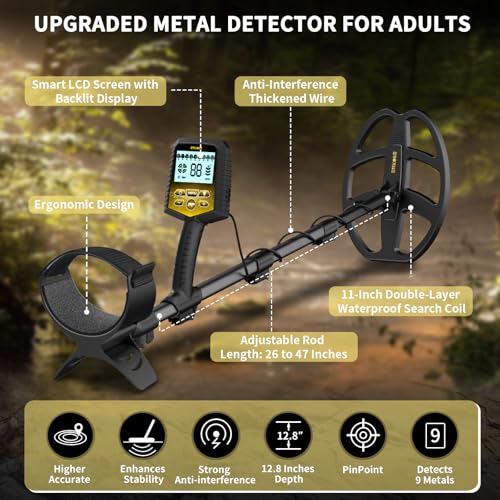
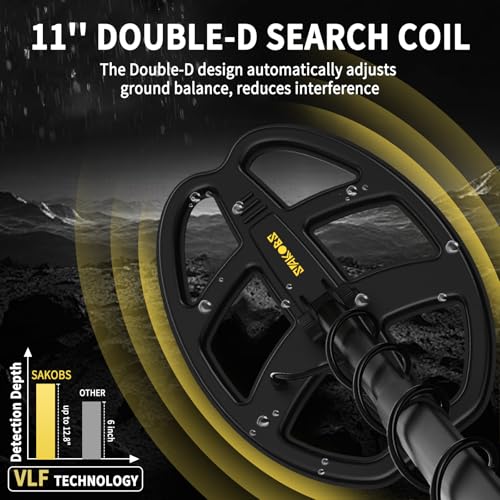
For gold prospecting, prioritize sensitivity to very small low-conductive targets and stability in mineralized soil over generic coin depth. Look for a detector with true manual or automatic ground balance, a prospecting/all-metal mode, adjustable sensitivity, and a coil suited to your terrain: smaller coils help separate tiny nuggets from hot rocks and trash, while larger coils trade precision for coverage and depth. Be cautious about relying too heavily on discrimination, because small gold can read like foil or other junk; owner feedback supports that accurate target separation, useful sensitivity settings, and quick pinpointing make recovery faster, with many buyers reporting finds several inches down and in areas already searched.
Build
A well-built metal detector is more likely to handle repeated swings, bumps, dirt, moisture, and transport without developing loose connections, wobbly shafts, or failing controls. Look for sturdy shaft locks, solid coil and cable connections, weather-resistant components, and controls that feel secure rather than flimsy; be cautious of detectors that feel overly lightweight in a cheap way or have parts that flex, rattle, or loosen easily.
Gold hunting often means rocky washes, brush, creek edges, and repeated kneeling and digging, so the shaft, coil ears, control housing, cable strain relief, and battery door matter more than they would for casual yard use. Choose a rugged, weather-resistant or waterproof-to-the-needed-depth setup if you prospect around streams, and check whether accessories such as pinpointers are only water-resistant or truly submersible. Owner sentiment backs the importance of durability: shoppers describe well-built detectors and probes as sturdy, rugged, and suited to regular treasure-hunting use while still being light enough for longer outings.
Ease
You’ll get more out of a metal detector that is quick to assemble, easy to adjust to your height and sweep style, and simple enough to understand before you’re out in the field. Look for clear controls, intuitive menus or knobs, comfortable balance, and beginner-friendly modes, and watch out for designs that require too much tuning or frequent readjustment if you want a smoother learning curve.
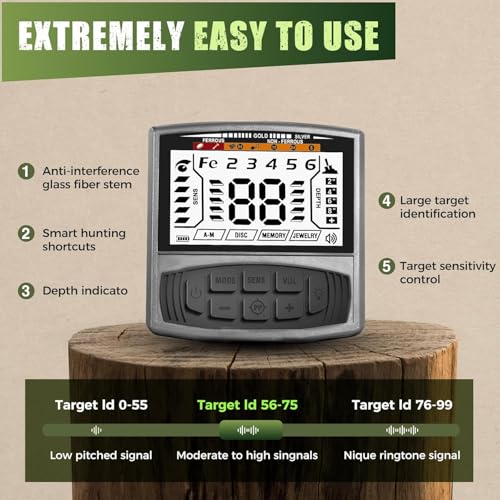
In gold fields, ease of use should mean easy ground balancing, fast retuning after hot rocks, readable alerts, and controls you can adjust without constantly stopping—not just a simple power button. Beginners should look for clear sensitivity, threshold, ground-balance, and mode controls, because running too hot in mineralized ground can create false signals that waste digging time. Owners generally find many models approachable for first-time users and kids, with simple setup, clear controls, readable screens, and alerts that help narrow targets more efficiently once the basic instructions are followed.
Value
Value matters because a metal detector should give you useful performance and features for the kind of hunting you actually plan to do, not just a long spec list. Look for a solid balance of detection depth, target identification, ground balancing, waterproofing or coil options, and comfort, and watch out for paying extra for advanced settings you will not use or choosing the cheapest option if it limits results too much.
The best value depends on where you will hunt: casual lost-jewelry and park searching can justify a basic starter detector, but natural gold prospecting usually rewards spending for better ground balance, higher-frequency VLF performance, or pulse-induction capability in severe mineralization. Do not pay for flashy extras before confirming the machine can handle your soil, coils are available for your terrain, and a pinpointer or digging tools fit your recovery style. Owner feedback suggests strong price-to-performance satisfaction when budget-friendly detectors and pinpointers simply work, help recover important items, and let new hobbyists start without feeling overcharged.
Fun
If a metal detector feels fun to use, you’re more likely to take it out often, stay patient, and enjoy the treasure-hunting process even when finds are modest. Look for a detector that feels comfortable to swing, is easy to understand, and gives clear feedback that keeps searching engaging rather than frustrating. Watch out for controls that are too complicated or a setup that feels tiring, since those can turn casual outings into a chore.
For gold detecting to stay fun, match the machine to realistic finds and locations: tiny nuggets require patience, lots of trash digging, and permission/legal access, while beaches, yards, campsites, and family outings offer more frequent small treasures. Features that reduce frustration—light weight, quick pinpointing, clear audio or vibration alerts, and easy packing—matter because gold hunting can involve long stretches between good signals. Owners often describe detecting as an enjoyable outdoor activity for kids, beach trips, walks, camping downtime, and weekend wandering, especially when the gear is portable and affordable enough to encourage casual use.
Weight
A lighter, well-balanced metal detector is easier to swing for long periods, especially if you’ll be covering beaches, fields, or uneven ground. Look beyond the listed weight and consider how the detector feels assembled, whether the shaft adjusts comfortably to your height, and whether heavier features like large coils or extra batteries could cause arm fatigue over time.
Weight is critical in this niche because prospecting often means sweeping slowly for hours over uneven ground, then carrying tools, water, spare batteries, and finds back out. Check total field weight with the coil installed, balance at the grip, shaft adjustability for your height, and whether a larger coil makes the detector nose-heavy; foldable or compact designs help if you hike into claims or travel to beaches and creeks. Owner reports consistently support this concern, praising lightweight and compact designs for longer outings, beach use, family sessions, easy storage, and travel.
1,000,000+ shoppers use Buyer's Guide every week to find the best products and services online.

Helping millions of users make smarter purchases online.


