


















We also considered 10 others:


Our Top Choice
Compare Features


The order above is not editorial opinion, and it is not paid placement. It comes from what shoppers across our network actually do - which glass water filters they compare, and which they ultimately buy. We re-rank as new data comes in, so the long-term favorites have to keep earning their spot against new entrants. The full method, including how we make money.
Glass Water Filters Buyer's Guide
Glass water filters are bought for a specific tradeoff: cleaner-tasting water and less plastic contact, but with more weight, breakability, and filter upkeep than a basic plastic pitcher. The sharpest buying questions are whether the filter actually targets your local water problem and whether the glass vessel is practical to lift, store, pour, and maintain every day.
Filtration Target
A glass body does not determine filtration performance; the filter media and its tested reduction claims do. Shoppers should buy for the specific problem in their water rather than assuming all pitcher filters handle chemicals, odor, and dissolved contaminants the same way.
Start by matching the filter to your actual water concern: chlorine taste and odor, chloramine, PFAS, lead, well-water minerals, or general off-flavors are not all solved equally by the same media. Look for clear third-party reduction claims tied to recognized standards, and be wary of vague “purifies water” language without naming contaminants, test conditions, or replacement intervals. Owner feedback strongly supports this as the core reason to buy: many people report cleaner, crisper water, reduced chlorine or chemical smell, and tap or well water that becomes pleasant to drink, though some feedback shows taste and quality results can vary by household.
Flow & Life
A filter that works well on day one can become frustrating if it clogs quickly or takes too long to refill a household supply. Filter life also affects the true ownership experience because replacement frequency determines both convenience and ongoing cost.
Choose a filter with a realistic flow rate and published life in gallons or months, then assume hard water, sediment, or high contaminant load may shorten that life. For gravity-fed glass pitchers, avoid designs where the upper reservoir must sit full for a long time before water is available, and check that replacement filters are easy to find because the vessel is useless without them. Owners often praise quick filtering and easy filter changes, but the main negative pattern is that some filters slow down sooner than expected and replacements can become an ongoing value concern.
Water-Contact Build
Material choice matters more in this category than in ordinary pitchers because many shoppers are specifically trying to avoid plastic storage. The best designs make it clear what touches the water and use materials that feel safe, stable, and easy to keep clean.
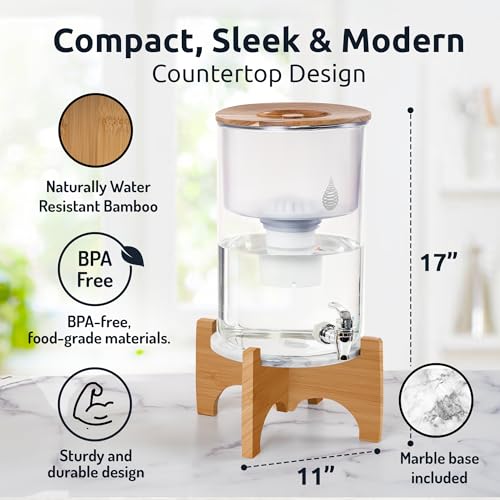
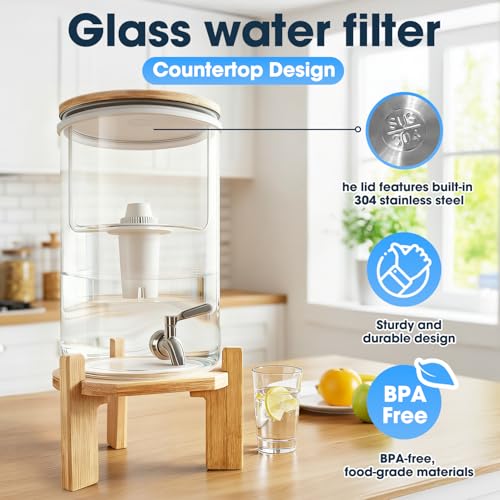
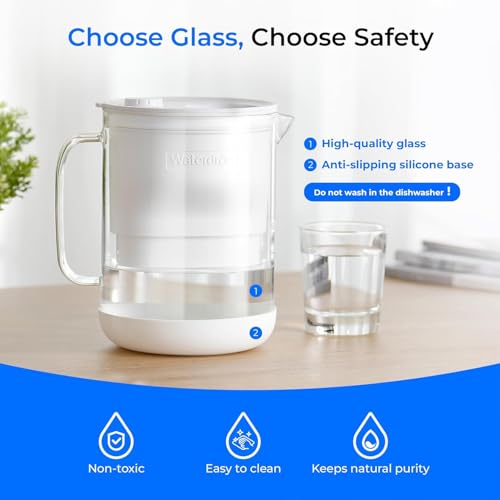
For a glass water filter, verify which parts actually touch stored water: the carafe may be glass while the lid, reservoir, spout, or filter housing still use plastic. Look for durable glass, stainless or well-finished metal components, stable silicone feet or sleeves, and a design that keeps filtered water in contact with as little plastic as possible if that is your reason for switching. Owner sentiment shows the glass-and-metal feel is a major draw, with buyers liking the premium look, sturdy presence, and reduced reliance on disposable plastic cartridges or plastic pitchers.
Capacity & Handling
Glass filters are heavier than plastic ones, and the difference becomes much more noticeable when the vessel is full. Capacity is only useful if the container still fits your refrigerator or counter and can be handled safely by the people using it.
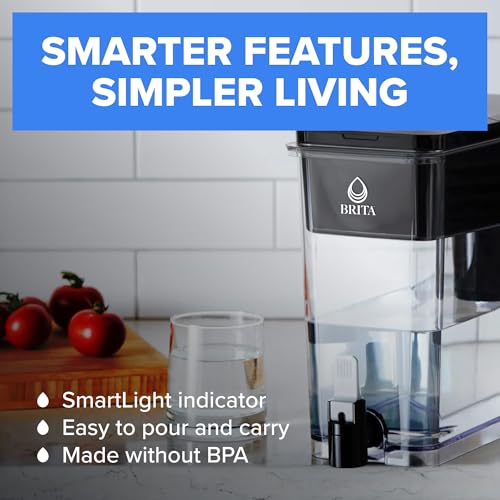
Pick the format around how much filtered water you actually need ready at once: a compact pitcher suits one or two people and small fridges, while a larger countertop dispenser reduces refill frequency but takes more space. Remember that glass plus water gets heavy fast, so check filled weight, handle shape, shelf clearance, and whether you can comfortably pour one-handed; some households will be better served by a spigot dispenser than a lift-and-pour pitcher. Owners appreciate large capacity when it prevents constant refilling, but they also report that compact models can run short and full glass pitchers may require careful two-hand handling or fridge rearranging.
Pour Stability
A glass water filter is handled repeatedly while wet, full, and sometimes cold, so small design flaws can become safety and durability problems. Secure parts and stable pouring matter because breakage or a loose reservoir can ruin an otherwise effective filter.
Inspect the lid, upper reservoir, handle connection, spout, and base before prioritizing looks: a locking or secure-fit lid, stable reservoir, drip-controlled spout, and non-slip base reduce the most common daily failure points. Avoid designs where the reservoir can shift during pouring or where glass must be gripped awkwardly during setup, washing, or refilling. Owner feedback backs up this caution: setup is often straightforward, but watch-outs include unstable lids or reservoirs, component separation, and glass breakage if dropped or knocked over.
1,000,000+ shoppers use Buyer's Guide every week to find the best products and services online.

Helping millions of users make smarter purchases online.


