











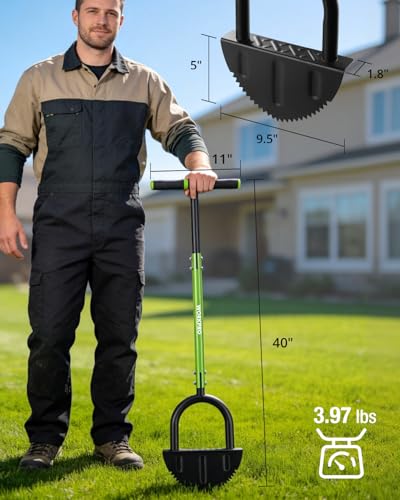
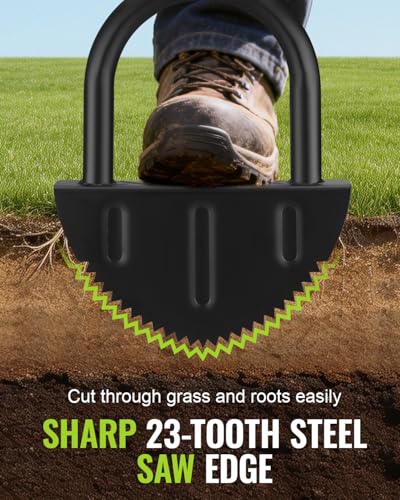


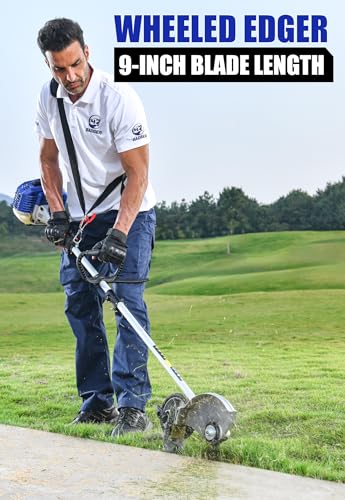


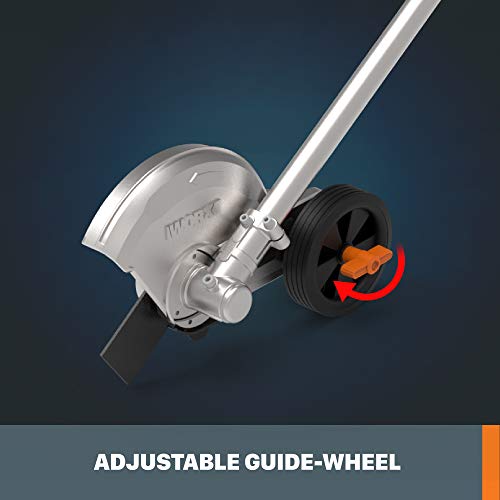


We also considered 10 others:


Our Top Choice
The order above is not editorial opinion, and it is not paid placement. It comes from what shoppers across our network actually do - which gas edgers they compare, and which they ultimately buy. We re-rank as new data comes in, so the long-term favorites have to keep earning their spot against new entrants. The full method, including how we make money.
Gas Edgers Buyer's Guide
Gas edgers are bought for one hard job: cutting a straight, clean trench along concrete without bogging down, wandering, or shaking the operator apart. The biggest tradeoff is power versus handling—heavier walk-behind and commercial-style setups usually bite harder into packed soil, while lighter handheld or attachment systems are easier to manage but can feel less authoritative in tough edges. Shoppers should pay close attention to starting reliability, blade-depth control, shaft/guard durability, and whether a multi-tool setup is truly compatible with the edging work they expect.
Cutting Power
A gas edger lives or dies by how cleanly it cuts a vertical boundary between turf and pavement. Underpowered units can chatter, stall, or require multiple passes, especially in compacted soil or thick grass. The right balance of torque, blade control, and depth adjustment produces a neater edge with less fatigue.
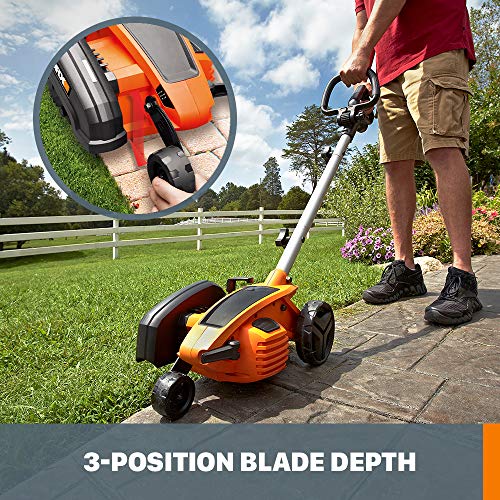
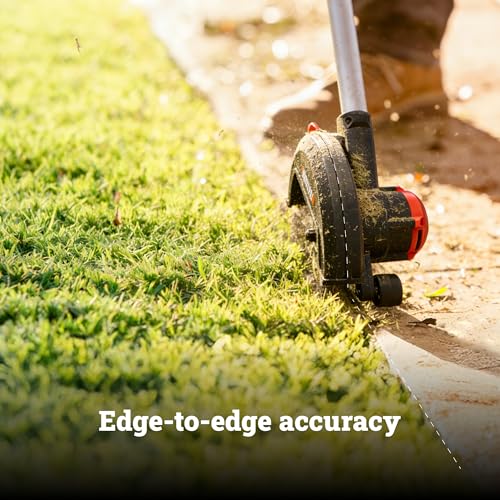
Look for enough engine torque and blade speed to cut through packed soil, overgrown turf, and thick grasses without repeated passes; for warm-season lawns such as St. Augustine, a rigid steel edging blade and stable guide wheel matter more than sheer engine size alone. A good gas edger should hold a vertical line beside sidewalks and driveways, allow depth adjustment for shallow maintenance cuts or deeper first-time trenches, and avoid bogging when the blade meets hard ground. Owner feedback strongly supports making this the first filter: cutting performance was praised for cleanly handling typical lawn edges and St. Augustine grass, and edging performance stood out on hard ground and long sidewalk runs with professional-looking results. Sentiment is not uniformly positive, though, because some lighter setups were appreciated for manageability but did not feel as strong as heavier commercial gas edgers.
Starts & Runs
Gas edging is usually done in short sessions around driveways, sidewalks, and beds, so reliable starting matters as much as peak power. Hard starting can point to carburetor, fuel, choke, or setup problems that make routine edging feel like repair work. Consistent engine behavior also helps the blade maintain speed through tougher sections.
Prioritize a gas edger with a proven easy-start design, accessible primer/choke controls, and clear warm-start instructions, because an edger that cuts well but refuses to restart after refueling or a short break becomes frustrating fast. Check whether the engine type matches your maintenance tolerance: 2-cycle engines need correct fuel mix, while 4-cycle engines avoid mixing but add oil checks and can be heavier. Owners repeatedly tied satisfaction to quick starting and normal running after setup, with many reporting first- or second-pull starts and straightforward day-to-day use when the unit runs as expected. The risk is also clear: some buyers received units that never started, felt underpowered, or were difficult to get running again, so starting reliability should be treated as a core buying criterion rather than a convenience feature.
Build Quality
Edgers operate in abrasive dirt and often run close to concrete, curbs, and roots. Weak couplers, guards, shafts, or adjustment parts can fail even if the engine still runs well. Durable construction protects both cutting accuracy and operator safety over repeated seasonal use.
Inspect the parts that take edging stress: the blade arbor, depth-adjustment mechanism, shaft coupler, wheel bracket, debris guard, belt or gearbox area, and handle hardware. Avoid flimsy guards, loose-locking attachment shafts, vague warranty support, or designs where the blade housing looks exposed to repeated curb strikes; edging creates side-loads and dirt impact that are harsher than ordinary string trimming. Owner sentiment shows why durability deserves its own dimension: sturdy construction, dependable first starts, and solid homeowner-grade quality were praised, but early failures and defective parts were the main watch-outs. Specific owner-reported problems included attachments becoming unusable soon after purchase, serious problems after limited use, a shaft that would not lock, and a hand guard breaking.
Handling
A clean edge depends on holding a steady line for the full length of pavement. Poor balance, excess vibration, or awkward controls can make the blade wander and increase fatigue. Handling is especially important for homeowners edging long runs or working around curved beds and obstacles.
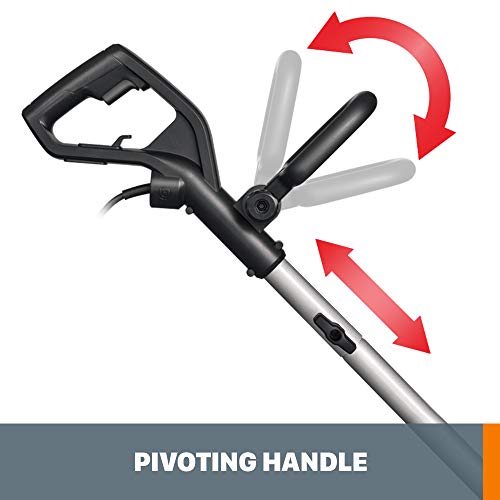
Choose the format that fits your property: handheld stick edgers and attachment edgers are easier to store and maneuver around beds, while wheeled dedicated edgers usually track straighter on long sidewalks and driveways. Look for a comfortable handle angle, manageable vibration, a guide wheel or curb wheel, easy throttle control, and enough weight over the blade to keep it from skipping without making the tool tiring. Owners often praised light handling, easy use, and manageable residential performance, including longer driveways and sidewalks. At the same time, sentiment points to the classic tradeoff: lightweight tools are easier to handle, but some buyers did not find them as strong as heavier commercial gas edgers, and noise was a positive differentiator when a unit felt less loud than a typical weed trimmer.
Setup Fit
Gas edgers often arrive partly assembled, and multi-tool versions add another layer of shaft and attachment fit. Poor assembly instructions or loose couplers can affect safety, starting, and cutting accuracy. Compatibility is especially important when one engine is expected to power several yard-care attachments.
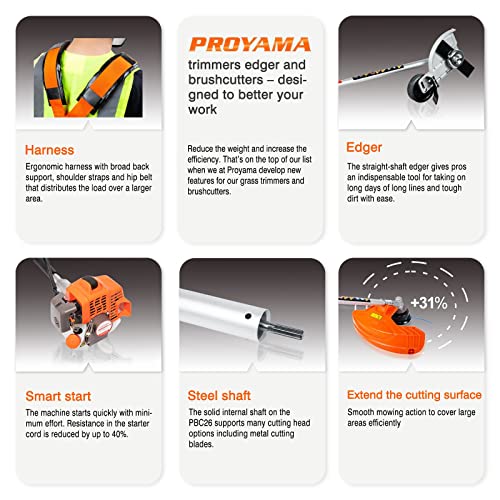
Before choosing a gas edger, decide whether you want a dedicated edger or a powerhead with an edger attachment. Multi-tool systems can save storage space and stretch one engine across trimming, brush cutting, hedge trimming, pruning, and edging, but only if the coupler locks tightly, the drive shaft engagement is secure, and the edger attachment is rated for the soil and grass conditions you will use it in. Assembly quality matters: check for clear diagrams, labeled hardware, pre-adjusted cables where possible, and a blade/guard setup that does not require forcing parts into alignment. Owner sentiment strongly favors versatile attachment systems when they work, with buyers valuing bundles that include multiple yard tools and accessories, but setup was hit-or-miss; some finished assembly in about an hour, while others struggled with unclear instructions, blurred diagrams, or parts needing persuasion, and some received attachments that did not work properly.
Real Value
The best value in this category is not simply the lowest upfront cost; it is the tool that matches the yard, starts reliably, and survives repeated edging. Multi-use systems can be efficient for homeowners with several trimming and cutting tasks. Dedicated edgers may be a better value when clean pavement edges are the main job and durability is the priority.
Judge value by the amount and type of edging you actually do: a small yard with occasional sidewalk maintenance may benefit from a lighter homeowner-grade machine, while heavy first-time trenching, long corner lots, or dense turf may justify a stronger dedicated setup. If considering a bundle, count only attachments you will truly use and verify that the edger component is not the weak link; a low-cost multi-tool is poor value if the shaft, guard, or starter fails early. Owner feedback shows that value can be a real strength, especially for bundled yard-tool systems that provide multiple functions and accessories for less than comparable setups, and some homeowner-grade edgers were seen as solid value rather than cheap throwaways. Still, value depended on the amount of assembly hassle and whether the tool arrived functional, started reliably, and avoided early durability problems.
1,000,000+ shoppers use Buyer's Guide every week to find the best products and services online.

Helping millions of users make smarter purchases online.


