












We also considered 10 others:


Our Top Choice
Compare Features


The order above is not editorial opinion, and it is not paid placement. It comes from what shoppers across our network actually do - which garmin gps they compare, and which they ultimately buy. We re-rank as new data comes in, so the long-term favorites have to keep earning their spot against new entrants. The full method, including how we make money.
Garmin GPSs Buyer's Guide
A handheld outdoor GPS is a tradeoff between phone-like convenience and purpose-built backcountry reliability. The sharpest buying concerns are whether it can keep an accurate fix when cell service disappears, whether its maps and screen are usable for real terrain decisions, and whether power and setup are sorted before you leave the trailhead.
GPS Lock
A handheld GPS earns its place when it gives a dependable position fix where a phone may not have service. Fast satellite acquisition and stable tracking reduce uncertainty at trail junctions, in dense woods, and during field navigation. Precision also affects how useful saved waypoints, tracks, and return routes will be later.
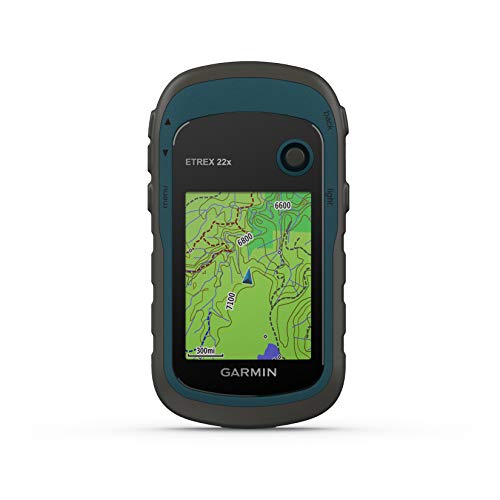
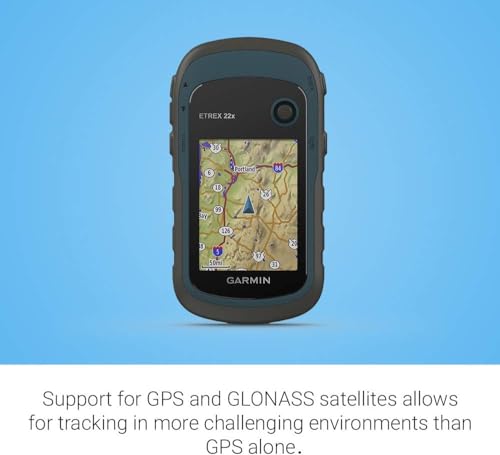
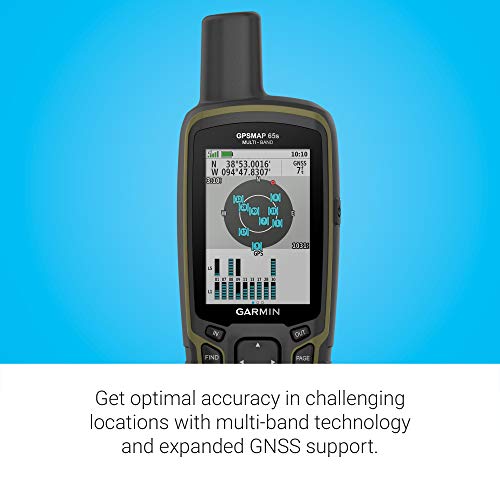
Prioritize a receiver that locks quickly and stays stable in tree cover, steep terrain, and bad weather: multi-constellation GNSS support, an electronic compass, a barometric altimeter, clear track logging, and an easy “navigate back” or trackback function matter more in the backcountry than a slick-looking interface. If you hike, hunt, or work off-grid, avoid treating phone reception as the backup plan; the failure mode is not just a missed turn, but a wandering track, slow cold start, or no confident way to retrace your route. Owner sentiment strongly supports this: buyers repeatedly value accurate positioning, quick satellite pickup, excellent precision, and the reassurance of finding a route back when cell service drops.
Maps & Land
Navigation is not only about knowing your coordinates; it is about understanding the terrain around those coordinates. Good maps help you choose safer routes, avoid dead ends, and interpret trails, roads, elevation, and land boundaries. The right map layers depend heavily on whether the device is used for hiking, hunting, surveying-style fieldwork, or general exploration.
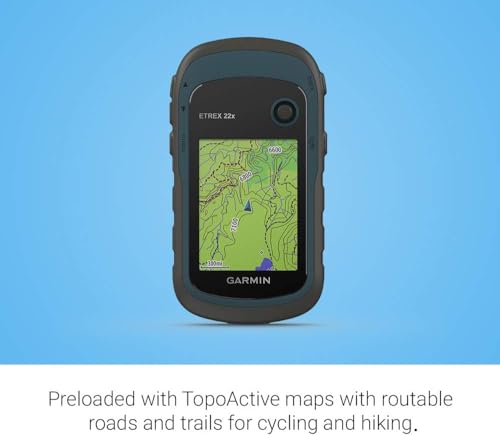
Look for mapping that matches your actual use: routable topographic maps for hiking, contour detail for terrain decisions, trail and road layers for access, and land-awareness data such as boundaries or parcel-style overlays if you hunt or do field exploration. Check whether maps are preloaded, expandable, updateable, and compatible with GPX route, track, and waypoint transfers; a strong receiver with weak maps can still leave you guessing at gates, ridgelines, drainages, or legal access lines. Owners specifically praise strong mapping and land-awareness features, and they value outdoor functions beyond basic time, speed, and distance.
Readable Screen
A compact GPS is easier to carry, but a small screen can slow real navigation decisions. Readability affects how quickly you can confirm a route, compare terrain, or spot a wrong turn without stopping for long. Display quality is especially important when using detailed maps rather than simple direction arrows.
Match the screen to how you navigate: small pocket units are fine for waypoint following and breadcrumb tracks, but map-heavy users should favor a display that is sunlight-readable, high-contrast, and large enough to see contour lines, trail labels, and junction detail without constant zooming. Buttons or glove-friendly controls can be safer than relying on wet-touch input, and backlight behavior matters at dawn, dusk, and in timber. Owner feedback highlights the core tradeoff clearly: pocketability is appreciated, but small displays and visibility can be frustrating.
Field Power
Battery life determines whether the device can remain useful for the whole route, not just the first few hours. Outdoor GPS use often involves cold, long tracking sessions, and screen backlight use, all of which can affect runtime. The best choice depends on whether you can swap batteries, recharge in the field, or need multi-day independence.
Choose power around trip length and backup strategy: replaceable AA batteries are useful for long trips and cold-weather spares, while rechargeable packs can be convenient if you also carry a power bank. Check stated runtime with real settings in mind, because backlight brightness, frequent tracking, sensors, wireless syncing, and messaging features can shorten field life; always test runtime before relying on it for an overnight or remote route. Owners describe battery life as serviceable and sometimes improved, but still a split consideration when comparing a dedicated unit with phone-based navigation.
Setup Flow
Outdoor GPS units often use deeper menu systems than phone apps because they handle maps, sensors, tracks, routes, and device settings. A learning curve is manageable if you prepare at home, but it becomes a safety issue if the first real use is in the field. Software compatibility also affects how easily you can update maps and move planned routes onto the device.
Do not buy one expecting it to be trail-ready out of the box: update firmware and maps, load your routes, pair any companion app, customize data fields, and practice marking a waypoint, following a track, recalibrating sensors, and navigating back before the trip. Check compatibility with your phone or computer workflow, especially if you use GPX files, map downloads, subscriptions, or desktop planning software. Owner sentiment supports this caution: setup and software can take patience, the interface may require videos or practice, yet the device can be easy enough once configured.
Carry & Build
A backcountry GPS has to survive being carried, checked repeatedly, and used in poor conditions. Size and weight matter, but so do grip, button feel, attachment options, and protection from rain, mud, and knocks. The right form factor is the one you will keep accessible rather than buried in a pack.
Balance pocketability against field handling: a unit should be small enough to carry all day but not so tiny that it is hard to grip with cold hands, attach to a pack strap, or read while moving. Look for weather resistance, a secure lanyard or clip point, protected ports, tactile buttons, and mounting compatibility if it may ride on a pack, vehicle, bike, or boat; the common failure mode is a device that is technically compact but awkward, exposed, or too easy to drop. Owners value the handheld GPS as a compact backcountry tool, while also noting that the pocketable size can contribute to screen tradeoffs.
1,000,000+ shoppers use Buyer's Guide every week to find the best products and services online.

Helping millions of users make smarter purchases online.


