
Join the millions that have trusted BuyersGuide.org to help them make smarter buying decisions. Let our independent expert reviews and data-driven shopping recommendations help you find the one that's right for you.





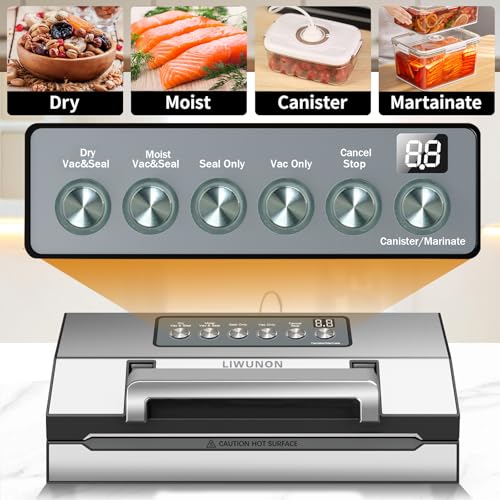


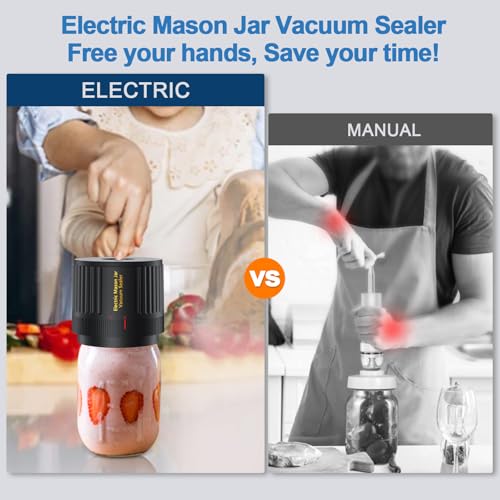


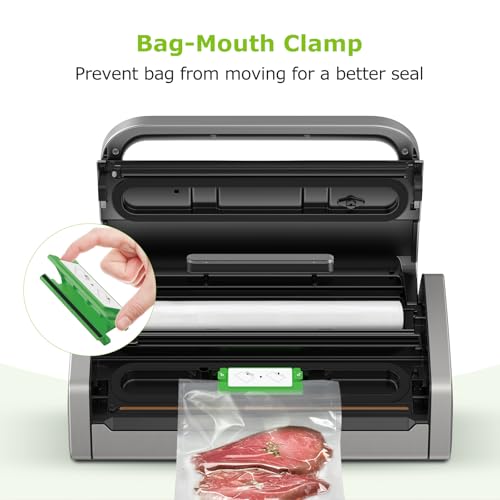


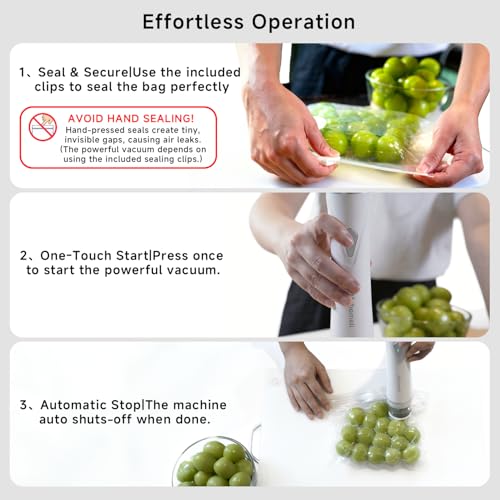








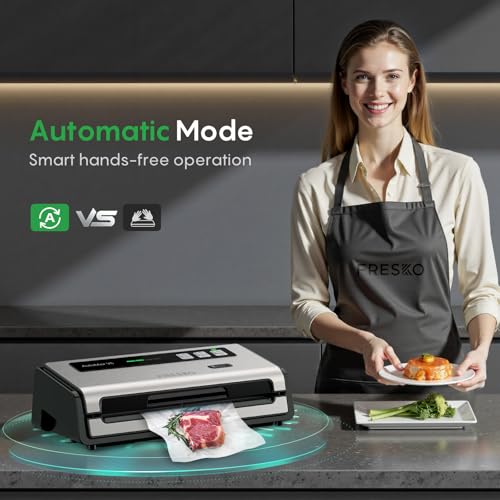



We also considered 10 others:


Our Top Choice
Compare Features


Why These Features Matter:
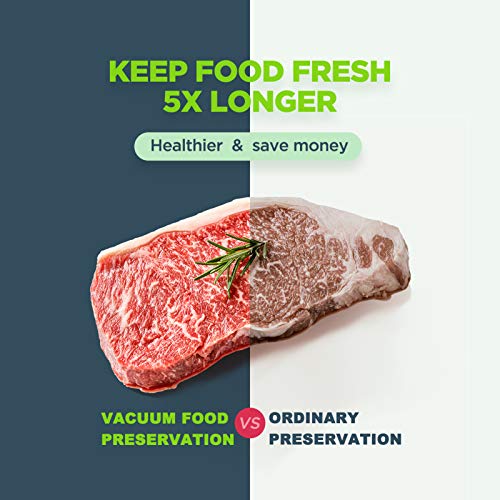
A vacuum sealer is one of those appliances that feels mildly unhinged until you live with one. Then suddenly you’re the person calmly sealing half an avocado like it’s evidence. The reason people get evangelical isn’t because vacuum sealing is glamorous (it isn’t), it’s because it fixes the kind of daily-life annoyances that quietly drain money and patience: freezer-burned chicken, wilted herbs, leaky marinades, and that drawer full of “I’ll cook this later” ingredients that never quite make it.
The catch: vacuum sealers are fussy little machines. The difference between “I use this weekly” and “it lives in a cabinet behind the waffle iron” is rarely raw power. It’s whether the thing fits your kitchen, your tolerance for plastic bag wrangling, and your willingness to wipe chicken juice out of a drip channel at 11 p.m.
The Suction & Seal You’ll Actually Notice
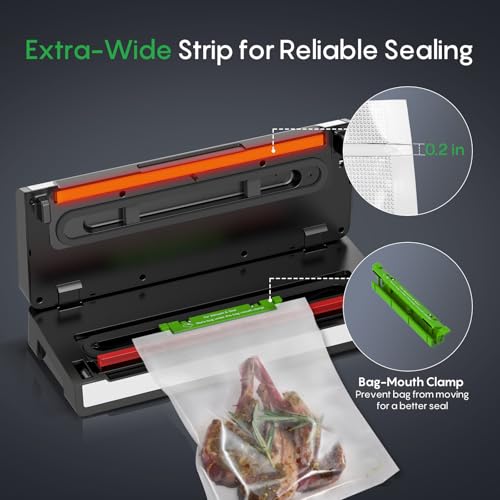
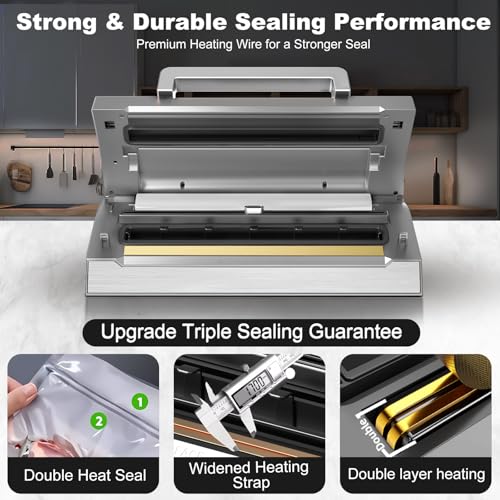
In real kitchens, the meaningful question isn’t “how strong is the vacuum?” so much as “does it seal the first time without me doing a weird two-handed prayer over the bag?” A good sealer pulls air quickly and stops before it starts vacuuming your salmon into a sad, squashed brick.
- Look for: consistent seals, fast air removal, and a seal bar that feels decisive (not like a warm suggestion).
- Why it matters: weak or inconsistent suction turns meal prep into a series of small, irritating failures.
- Nice to have: an adjustable setting for “moist” foods so you’re not chasing liquid toward the machine like it’s a tiny, disgusting tide.
Moist Foods: The Make-or-Break Reality
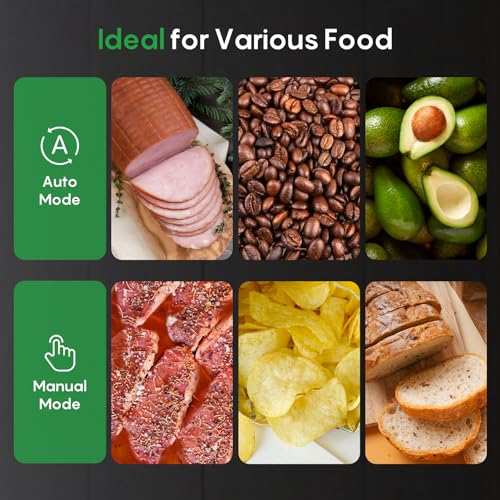
Most of us aren’t vacuum-sealing perfectly dry crackers in a climate-controlled lab. We’re sealing marinated chicken, cut fruit, and leftovers that still have a little sauce clinging to them. Moisture is where vacuum sealers reveal their personalities.
- Look for: a drip tray or juice channel you can remove and wash without needing a tiny screwdriver and a resentful mood.
- Why it matters: liquids are what cause failed seals, and failed seals are what make people quit.
- Workaround that actually works: pre-freeze wet stuff on a sheet pan for 30–60 minutes, then seal. It’s annoyingly effective.
Honest caveat: if you regularly seal soups, stews, or anything genuinely sloshy, you may want to plan around that with pre-freezing or containers. No countertop sealer loves a puddle.
Bag Drama: Texture, Cost, and the Drawer Full of Plastic
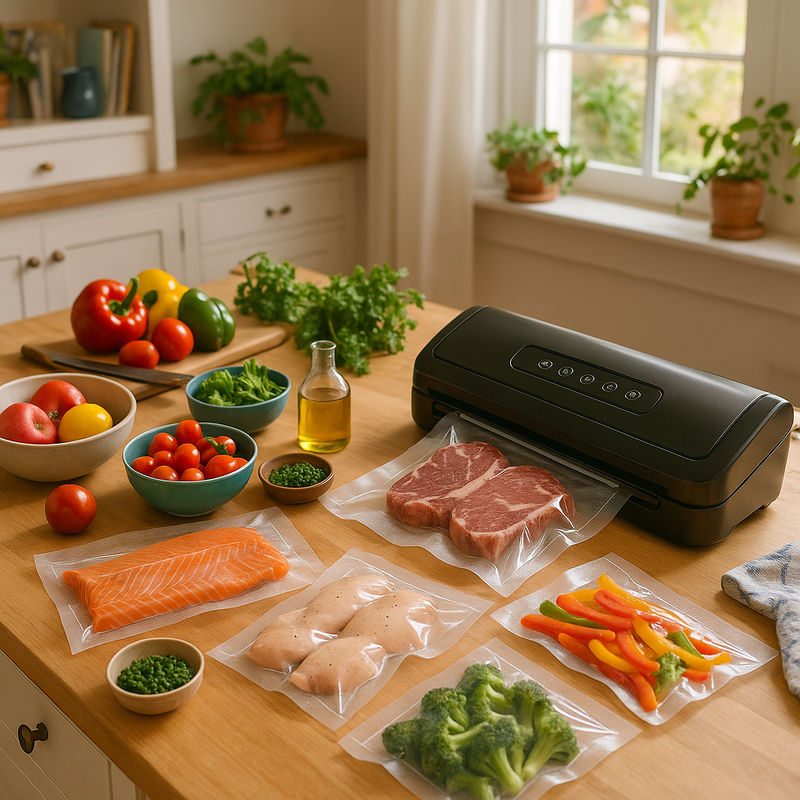
The basic truth: you’re not buying a machine so much as you’re buying into a bag ecosystem. Some bags feel thick and structured; others crinkle like cheap raincoats and somehow still cost real money. And yes, you will end up with a drawer that looks like a plastic-bag stationery store.
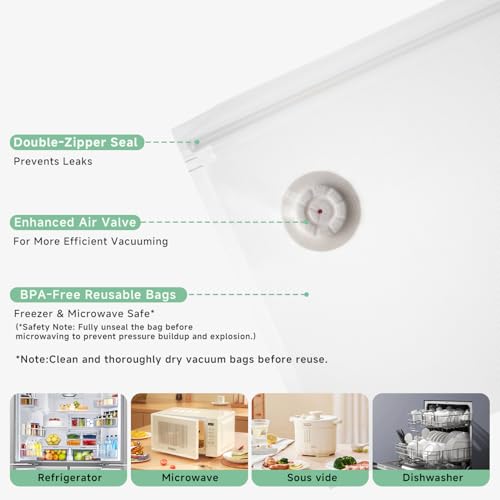
- Look for: compatibility with generic rolls/bags (not a “you must buy our proprietary refills” situation).
- Why it matters: the ongoing cost is where vacuum sealing goes from thrifty to “why is this my hobby now?”
- Small detail that matters: bags that are easy to label. Future-you staring into the freezer appreciates a flat surface for “pork chops, April” rather than a slippery, ridged crinkle zone.
Honest caveat: rolls are economical but mildly tedious. If you hate cutting and sealing one end before you seal the other, buy pre-cut bags and accept the trade.
Controls That Don’t Make You Feel Like You’re Piloting a Drone
In a perfect world, a vacuum sealer has two jobs—vacuum, then seal—and the buttons reflect that. In our world, some models have a control panel that looks like a hotel room thermostat: too many options, not enough clarity.
- Look for: clear “vacuum & seal” and “seal only” functions, plus an obvious cancel button.
- Why it matters: you will need to stop the vacuum early sometimes (hello, delicate berries; hello, pasta salad you swear you’ll eat).
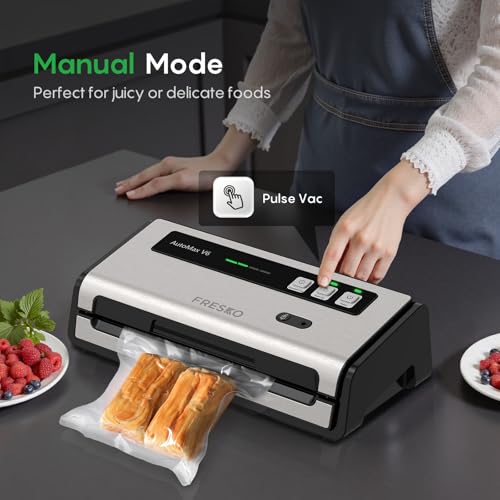
- Nice to have: a “pulse” mode so you can gently pull air without aggressively compressing everything into a food tile.
Noise Level: The Part Nobody Mentions Until It’s Too Late
Vacuum sealers are not whisper-quiet. They make the kind of utilitarian growl that suggests gears and determination. That’s fine at 2 p.m. It’s less charming at 10 p.m. when the household is winding down and you’re trying to quietly seal leftovers like a considerate adult.
- Look for: a tone that’s more “steady hum” than “shop-vac tantrum.”
- Why it matters: if the machine is obnoxious, you’ll procrastinate using it, and then you’re back to freezer burn and regret.
Size, Storage, and the Countertop Politics of a Real Home
Vacuum sealers have a particular footprint: long, kind of awkward, and not especially beautiful. In a small apartment kitchen, that matters. Even in a big kitchen, you may not want another appliance squatting on the counter like it pays rent.
- Look for: a design that stores vertically (if stable) or has a cord that wraps neatly instead of slithering around your drawer.
- Why it matters: if it’s annoying to take out and put away, you’ll “just use a zip-top” and your machine will become décor for the back of a cabinet.
- Small but real consideration: can it open under your upper cabinets? Some lids need more clearance than you’d think.
Cleaning: The Gross Parts and the Parts You’ll Actually Clean
Anything that touches raw meat juices is a test of who you are as a person. The best vacuum sealers don’t pretend you’re going to sanitize a labyrinth of crevices every time. They make the messy zones accessible and removable.
- Look for: removable drip trays, smooth surfaces, and fewer little seams where gunk can hide.
- Why it matters: ease of cleaning is the difference between “I use this for chicken” and “I only seal dry stuff because I fear my own appliance.”
- Nice to have: parts that can go in the dishwasher (even if you mostly won’t).
Honest caveat: you will, at some point, seal a bag slightly crooked and create a tiny leak that smears something questionable across the seal bar. This is normal. This is also why “wipeable” matters.
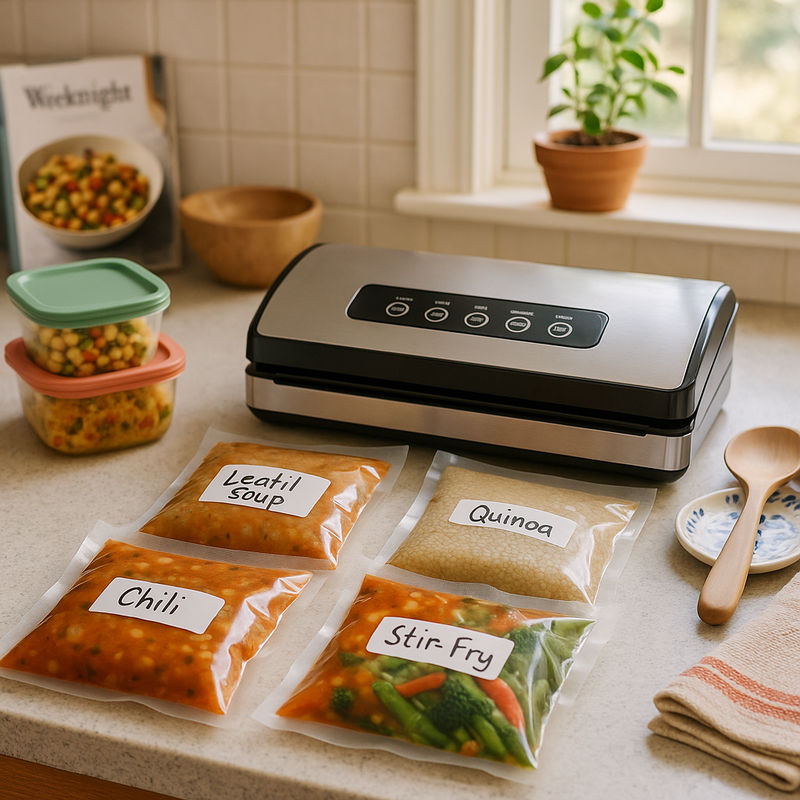
Container and Jar Options (a.k.a. The Fancy Tricks)
Some people mainly want freezer storage. Others want to vacuum-seal pantry items, jar salads, or that expensive coffee you insist tastes better when it’s protected from oxygen and your own chaos.
- Look for: an accessory port or easy compatibility with containers/jar attachments if you care about this stuff.
- Why it matters: containers reduce plastic waste and are less annoying for liquids—plus they’re easier to stack.
- Reality check: accessories are great in theory and used less often than you imagine. Buy them because you know you’ll use them, not because you like the idea of being a person who vacuum-seals flour.
How to Choose Based on Your Actual Life
The “best vacuum sealer” is the one that matches the way you cook, shop, and procrastinate.
- If you meal prep and freeze proteins: prioritize strong, consistent seals; easy cleaning; and bag compatibility that won’t make refills feel like a subscription you regret.
- If you sous vide: prioritize seals that don’t fail in warm water and controls that let you stop before liquids get sucked into the machine.
- If you live in a small kitchen: prioritize storage footprint, lid clearance, and a cord situation that doesn’t make you swear.
- If you’re sealing delicate foods: prioritize pulse control and a machine that doesn’t crush everything like it’s trying to win an arm-wrestling contest.
- If you hate clutter and plastic: prioritize container compatibility and be honest about how much you’ll really use bags.
Things to Know Before You Commit
- Vacuum sealing won’t save already-tired produce. If your strawberries are one day from mush, sealing them just makes them mush in HD.
- Freezer organization becomes a hobby. Vacuum-sealed foods stack beautifully—until you forget to label and end up with a minimalist pile of mystery pouches.
- There’s a learning curve. Your first few seals may be crooked, damp, or weirdly inflated. You’ll get better. The machine will not.
- Plastic is the trade-off. You may waste less food, but you’ll use more plastic unless you lean into containers and reuse-friendly bags (where safe/appropriate).
The Honest Bottom Line
A vacuum sealer is worth it if you routinely throw away freezer-burned food, buy in bulk, cook ahead, or sous vide—and if you’re willing to deal with some mild appliance fussiness in exchange for less waste and better-tasting leftovers. The right features aren’t about bragging rights; they’re about removing friction. You want a machine that’s easy enough to use on a weeknight, not just on the aspirational Sunday when you reorganize your pantry and briefly become a new person.
1,000,000+ shoppers use Buyer's Guide every week to find the best products and services online.

Helping millions of users make smarter purchases online.

