



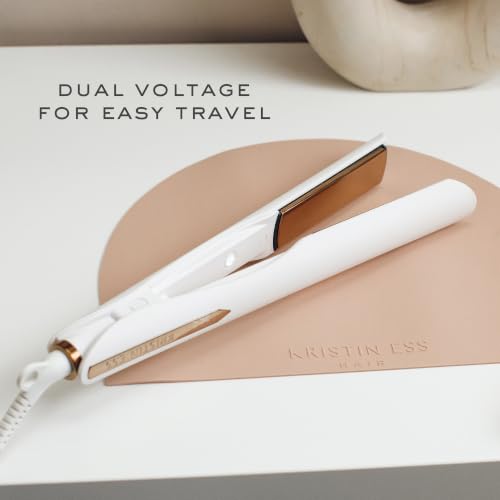


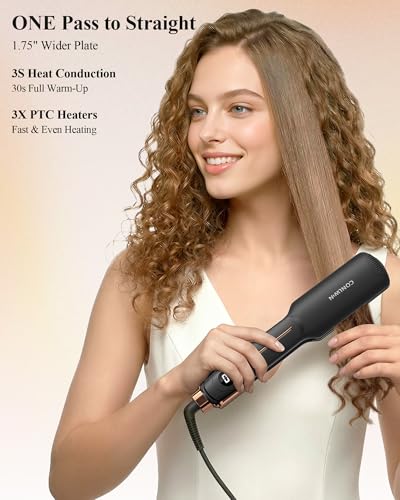


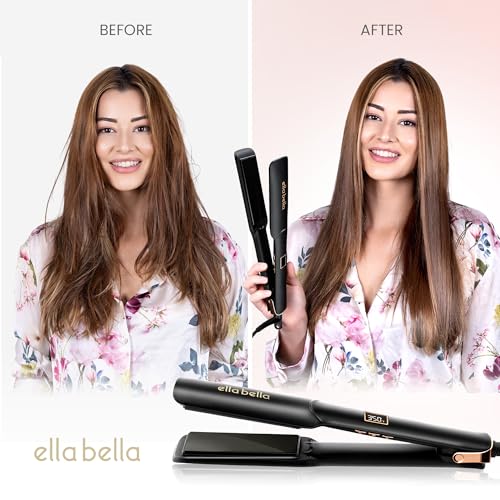




We also considered 10 others:


Our Top Choice
Compare Features


The order above is not editorial opinion, and it is not paid placement. It comes from what shoppers across our network actually do - which flat irons they compare, and which they ultimately buy. We re-rank as new data comes in, so the long-term favorites have to keep earning their spot against new entrants. The full method, including how we make money.
Flat Irons Buyer's Guide
A flat iron has to create enough tension and heat to change the hair shape without forcing repeated passes that dry, fray, or snap the cuticle. The biggest niche-specific tradeoff is speed versus heat damage: plate width, heat control, glide, and scalp access matter as much as maximum temperature.
Quality
Quality matters because a flat iron is exposed to repeated heat, pressure, and handling, so poor construction can lead to uneven clamping, inconsistent temperatures, or parts that loosen over time. Look for solid hinges, smooth plate alignment, durable housing, and controls that feel secure, and be wary of tools that feel flimsy, snag hair, or show signs of heat damage after limited use.
Prioritize a flat iron with evenly aligned floating plates, a hinge that closes with consistent pressure from root to tip, and a housing that does not flex or expose hot edges near your fingers or scalp. For daily straightening, avoid tools that feel catchy at the plate seam, have vague temperature dials, or rely on extreme heat to compensate for weak plate contact, because those are the failure points that cause repeated passes, hot spots, and breakage. Owner feedback supports this: the best-liked tools are described as high-quality, fast-heating, smooth through the hair, and able to create polished results without feeling like they need excessive heat.
Straightening
Straightening is the core job of a flat iron, so you want one that can smooth your hair efficiently without needing repeated passes that add heat exposure. Look for consistent plate contact, even heat, and enough temperature control for your hair type; watch out for irons that snag, leave bends, or only work well when set hotter than your hair can tolerate.
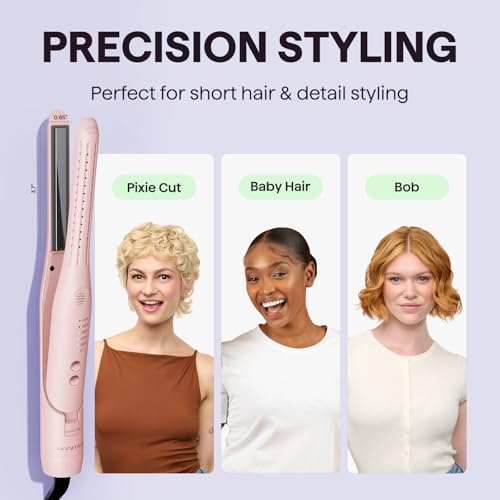
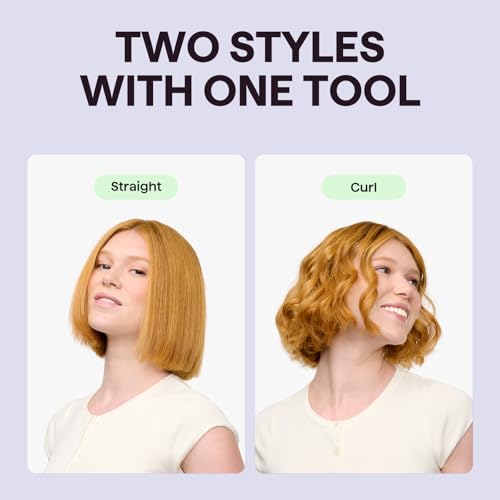
Match plate width and plate shape to your hair density and styling goal: wider plates are better for long, thick, coarse, or high-density hair because they cover larger sections, while narrow or pencil-style plates are better for bangs, roots, pixies, edges, and short layers. If you want both straight styles and curls, look for rounded outer edges and a slim enough barrel-like body; squared-off wide plates may straighten quickly but can leave bends when curling. Owners repeatedly report the strongest straightening results from tools that handle thick, curly, coarse, or long hair in fewer passes and leave the finish sleek, shiny, and soft, with wide plates especially praised for speeding up large sections.
Heat
You want a flat iron that heats up quickly, reaches the temperature you choose, and holds that heat evenly from roots to ends. Look for clear, adjustable temperature settings so you can use lower heat on fine, damaged, or color-treated hair and higher heat only when needed for coarse or textured hair. Watch out for irons with vague controls or uneven heat output, which can cause repeated passes, frizz, or unnecessary damage.
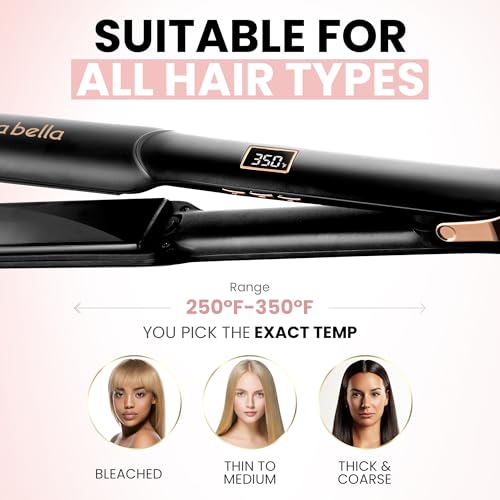
Choose a flat iron with clear, adjustable temperature control rather than a single high setting, and make sure the useful range fits your hair: lower controlled heat for fine, bleached, damaged, or fragile hair; higher but still adjustable heat for coarse, dense, resistant curls. A digital readout, ready indicator, stable heat recovery, and quick cool-down matter more than simply reaching the hottest number, because uneven or overshooting heat can scorch ends while under-heated plates force extra passes. Owner sentiment backs up the importance of fast, predictable heat: buyers consistently appreciate tools that heat quickly, signal readiness, let them select the temperature, and shorten styling time.
Ease
A flat iron should feel easy to control because you’re often working close to your face, scalp, and hands while trying to move smoothly through each section of hair. Look for a comfortable grip, intuitive controls, a cord that doesn’t fight your movement, and a shape or weight that won’t tire your wrist; watch out for stiff buttons, awkward plate placement, or designs that make it hard to avoid accidental burns.
For flat irons, ease is mostly about control at the scalp and wrist: look for a comfortable handle, swivel cord, lightweight body, plates that glide without clamping too hard, and a size that suits the sections you actually style. Short hair, pixie cuts, bangs, and root touch-ups need a small or pencil-style iron that can get close without burning the scalp, while long or thick hair is easier with wider plates that reduce sectioning time. Owner feedback aligns with this distinction: small tools are praised for detailed short-hair styling and portability, wide plates for faster work on larger sections, and clear digital controls or swappable styling formats for making at-home styling feel simpler.
Smoothness
Smoothness matters because a flat iron that glides easily can leave your hair softer, shinier, and more frizz-free while reducing the tugging that can cause discomfort or damage. Look for plates that move through sections without snagging or pulling, distribute heat evenly, and help seal the hair surface rather than leaving it rough, puffy, or dull.
To get a smooth finish without a fried feel, check for plates that glide cleanly, maintain even contact, and suit your hair texture; snagging, gapping plates, or rough coatings are red flags because they roughen the cuticle and create frizz even if the hair looks straight at first. Frizz-prone, curly, overprocessed, or color-treated hair benefits from consistent moderate heat and fewer passes, while steam or moisture-conscious designs may help some users avoid a stiff, dry result. Owners most often praise irons that leave hair silky, shiny, soft, and less frizzy, especially when the tool moves smoothly through thick, curly, or processed hair rather than dragging.
Value
A flat iron’s value isn’t just its price; it’s whether it delivers consistent results, durability, and features you’ll actually use for the money you spend. Look for solid heat control, smooth plates, and build quality that match your hair type and styling habits, and be wary of paying extra for flashy features that don’t improve performance or protect your hair.
Judge value by whether the iron reduces passes, protects fragile areas, and fits your actual styling routine—not by how many extras it includes. A single well-built flat iron with reliable heat control, smooth plates, auto shutoff, and the right width can be a better buy than a multi-tool kit if you mostly straighten; conversely, an interchangeable set can make sense if you genuinely rotate between sleek styles, curls, waves, and volume. Owner sentiment supports both paths: buyers call efficient straighteners worthwhile when they style quickly and feel sturdy, while multi-attachment sets are valued when they replace several separate tools and still perform well.
1,000,000+ shoppers use Buyer's Guide every week to find the best products and services online.

Helping millions of users make smarter purchases online.


