













We also considered 10 others:


.png)


Our Top Choice
Compare Features


The order above is not editorial opinion, and it is not paid placement. It comes from what shoppers across our network actually do - which filterless air purifiers they compare, and which they ultimately buy. We re-rank as new data comes in, so the long-term favorites have to keep earning their spot against new entrants. The full method, including how we make money.
Filterless Air Purifiers Buyer's Guide
Filterless air purifiers trade lower replacement-filter costs for a stricter need to verify how the unit actually captures particles, controls odors, and stays safe over time. The sharpest concerns are whether “filterless” means washable electrostatic collection rather than true HEPA filtration, and whether any ionizing or ozone-producing technology is appropriate for bedrooms, pets, children, or respiratory-sensitive users.
Filters
Your air purifier is only as effective as its filters, so look for high-quality filtration that matches the particles or odors you care about and seals well in the unit. Check how long the filters typically last, how easy they are to replace, and whether the purifier uses costly or multiple filter types that can raise ongoing maintenance costs. Be wary of vague filter claims or washable filters that still require separate replacements for full performance.
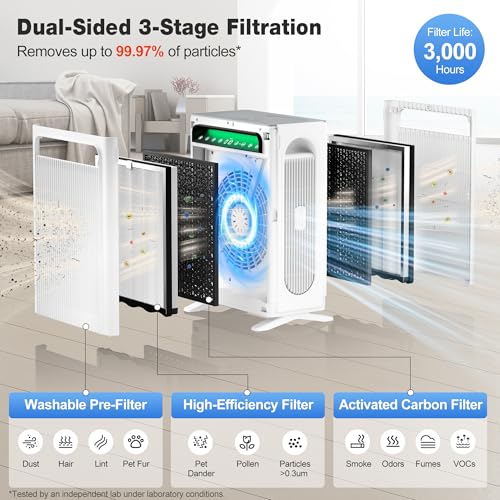
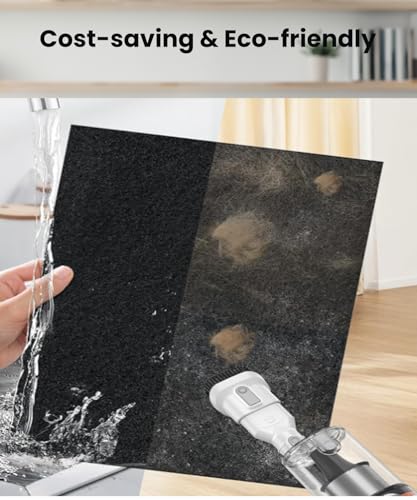
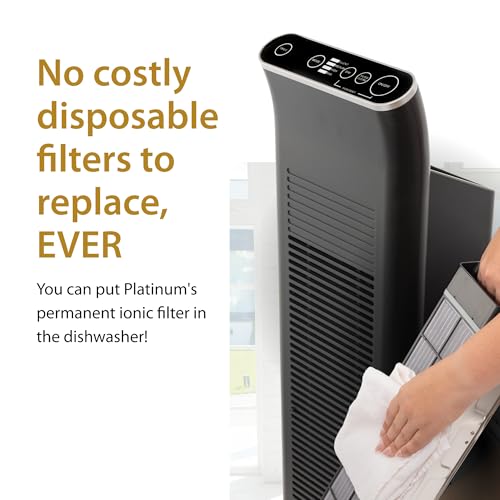
For a filterless air purifier, first verify what “filterless” actually means: some units use washable collector plates or blades, some include washable pre-filters, and others still rely on long-life or replaceable media that create future costs. Look for easy access to the collection surfaces, clear cleaning intervals, parts that can be fully dried before reinstalling, and no hidden consumables such as odor cartridges or specialty modules unless you want them. Owner feedback supports treating maintenance claims carefully: many buyers are satisfied once the unit is running, but filter life and replacement expectations are less consistent than performance or quietness, and recurring-cost concerns come up often.
Purification
You want an air purifier that can actually move enough air through effective filtration to reduce particles, odors, and other common indoor pollutants in the room size you plan to use it in. Look for clear performance ratings such as CADR, a suitable recommended room coverage, and true HEPA or other well-specified filtration, while watching out for vague “air quality” claims that don’t explain airflow, filter type, or cleaning capacity.
Do not judge a filterless purifier only by whether dust sticks to its plates; check tested room coverage, CADR or equivalent airflow data, and how many air changes per hour it can deliver in the room where you will actually use it. Electrostatic or ionic designs can visibly collect dust, but shoppers with allergies, smoke exposure, or fine-particle concerns should look for independent performance testing and avoid models that depend mainly on unverified ionization. Owners often report noticeably cleaner-feeling air, clearer breathing, less coughing, better sleep, and visible dust/debris captured on collection blades, which suggests these units can feel effective in everyday rooms when properly matched to the space.
Ease
You’ll use an air purifier more consistently if it’s simple to set up, adjust, and understand at a glance. Look for clear controls, intuitive settings, useful automation such as auto or sleep modes, and app control only if it genuinely makes operation easier for you. Watch out for confusing menus, overly bright display lights, noisy mode changes, or features that add complexity without improving day-to-day use.
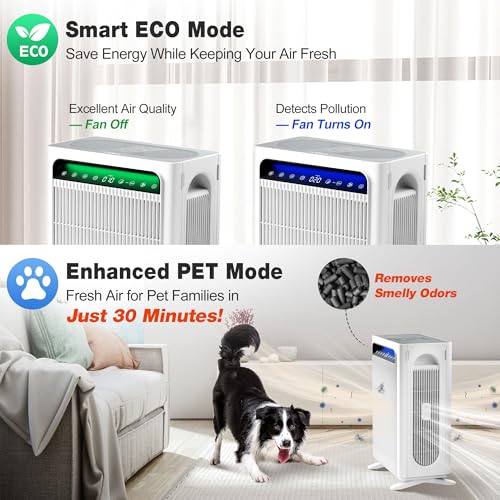
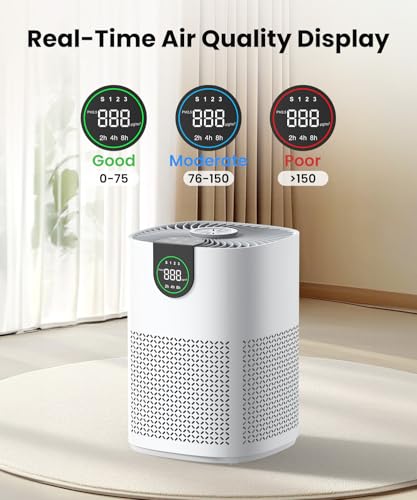
Ease of use in this niche depends less on replacing filters and more on whether you will actually clean the collector plates, washable screens, or blades often enough to maintain performance. Prioritize tool-free disassembly, washable parts that are not fragile, dry-before-use instructions, cleaning reminders, child/pet-safe interlocks, timer or auto modes, and a display that helps you see whether air quality is changing. Owner sentiment backs up the appeal of simple operation: buyers often praise plug-and-play controls, washable components, timers, air-quality displays, pet modes, automatic operation, and sleep modes that dim lights for overnight use.
Noise
Noise matters because an air purifier often runs for hours at a time, including while you work, relax, or sleep. Look for quiet operation on low or sleep settings, but also check how loud it gets on higher fan speeds, since some units are only truly quiet when they’re moving very little air.
Filterless purifiers can be very quiet, but quiet operation can hide weak airflow, so check the cleaning rating at the low or sleep setting you plan to use rather than only the maximum setting. Also look for reports of electrical hiss, crackling, or snapping from dirty collector plates, since electrostatic units may become noisier when dust builds up or humidity changes. Owners generally find these purifiers easy to live with, especially on low or sleep settings, describing them as near-silent, suitable for bedrooms and offices, or more like gentle white noise on higher fan levels.
Odor
If you’re dealing with cooking smells, pet odors, smoke, or stale rooms, odor reduction matters because not all air purifiers handle gases and scent molecules equally well. Look for a purifier with a substantial activated carbon or other gas-phase filter, and watch out for units that rely only on particle filtration, since HEPA-type filters can trap dust and smoke particles but won’t do much for lingering smells without a dedicated odor-control medium.
For odors, make sure the purifier has a real gas/odor-control method, because filterless particle capture alone does not remove many VOCs from cooking, smoke, litter boxes, musty rooms, or laundry smells. Look for activated carbon or another documented odor-control stage, and be cautious with ionizers that may make air smell “fresh” while producing ozone or failing to remove the underlying gases. Owner reports are encouraging for everyday odor use: many buyers notice fresher rooms and reduced pet, litter-box, cooking, smoke, campfire, laundry, and musty smells, especially after the unit runs continuously for a while.
Value
You want an air purifier that delivers clean-air performance, reliable build quality, and useful features that justify what you spend. Look for strong coverage for your room size, effective filtration, reasonable filter replacement costs, and quiet operation; watch out for models that seem inexpensive upfront but underperform, feel flimsy, or become costly to maintain.
Value for a filterless purifier comes from lower consumable costs only if the unit still cleans enough air for your room and the washable parts are durable. Compare total ownership by weighing purchase cost, electricity use, cleaning labor, replacement accessories, warranty coverage, ozone/safety certifications, and whether you may need multiple units for larger or open-plan spaces. Owners often frame these purifiers as a good value when they combine quiet operation, straightforward setup, washable maintenance, solid build, modest energy use, displays, timers, auto modes, and convenient app or voice controls.
1,000,000+ shoppers use Buyer's Guide every week to find the best products and services online.

Helping millions of users make smarter purchases online.


