














We also considered 10 others:


Our Top Choice
Compare Features


The order above is not editorial opinion, and it is not paid placement. It comes from what shoppers across our network actually do - which expensive perfumes for women they compare, and which they ultimately buy. We re-rank as new data comes in, so the long-term favorites have to keep earning their spot against new entrants. The full method, including how we make money.
Expensive Perfumes for Women Buyer's Guide
Expensive women’s perfume is a tradeoff between emotional luxury and practical wear: a scent can smell beautiful on paper yet turn too sweet, too sharp, or too faint on your skin. The sharpest checks are drydown, longevity, projection, and whether the bottle size makes sense before the fragrance changes or your taste does.
Scent
A perfume’s scent is the main reason you’ll reach for it, so pay attention to whether the fragrance profile feels fresh, soft, warm, floral, woody, sweet, or spicy in a way that suits your taste and setting. Look for notes that stay pleasant as they dry down on your skin, and watch out for perfumes that smell sharp, overly sweet, or overwhelming after a few minutes of wear.
For an expensive women’s perfume, judge the full drydown on your skin before committing: the opening can be sparkling or sweet, but the heart and base after several hours determine whether it feels elegant, sensual, powdery, clean, or too heavy. Be especially cautious with vanilla, musk, oud, and very sweet florals, because they can read luxurious on one wearer and cloying, masculine, spicy, or dated on another; fresh citrus-florals are usually easier daily wear but may feel less distinctive. Owner feedback supports this split: many praised warm vanilla, musky, powdery, clean citrus-floral, polished floral, and sweet elegant profiles, while richer oud-style scents drew more divided reactions.
Longevity
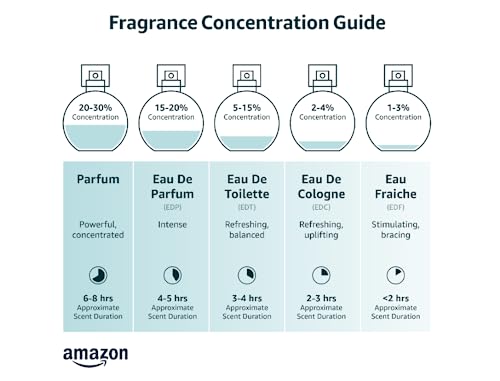
Longevity matters because it determines whether your perfume carries you through a full day, a night out, or only the first few hours after application. Look for clues like fragrance concentration, note structure, and how it wears on both skin and fabric, since some scents fade quickly on warm skin while lingering on clothes. Be careful not to judge lasting power from the first spray alone; a perfume can smell strong at the opening but settle into a much softer scent later.
Longevity is where expensive perfume can disappoint, so check concentration, note structure, and real wear reports rather than assuming a higher-end bottle will last all day. Long-lasting perfumes usually lean on musks, woods, amber, vanilla, or dense florals, while fresh watery citrus scents and body mists often need reapplication; also test on both skin and fabric, since skin chemistry can make the same fragrance fade quickly. Owners often reported strong all-day wear for some fragrances, but longevity was also one of the most inconsistent complaints, with some bottles lasting hours or lingering on clothing and others fading far sooner than expected.
Value
Value matters because a perfume’s price doesn’t always match how much you’ll enjoy wearing it, how long it lasts, or how often you reach for it. Look for a scent that feels polished, performs well on your skin, and suits your routine without stretching your budget; if you’re considering a “dupe,” watch for differences in longevity, complexity, and how the dry-down smells after a few hours.
Value in this category is not just whether the bottle feels luxurious; it is whether the scent profile, performance, amount, and authenticity justify a premium purchase for how often you will actually wear it. For a risky blind buy, prioritize smaller sizes, samples, or travel sprays; for a signature scent, compare cost per volume, refill options, return policy, and whether performance is strong enough to avoid constant respraying. Owner sentiment shows why this matters: some buyers felt they received high quality, generous sizing, and a scent that smelled more expensive than expected, while dissatisfied buyers struggled to justify the spend when longevity or perceived quality fell short.
Intensity
Intensity determines how noticeable your perfume feels on your skin and to people nearby, so it affects whether a scent reads as soft and personal or bold and room-filling. Look for a scent strength that fits where and how you’ll wear it: lighter fragrances are easier for close quarters or daytime, while stronger ones can last longer but may become overpowering if you apply too much.
Choose intensity based on where you plan to wear the fragrance: office, travel, healthcare, dining, and shared spaces call for a softer scent bubble, while evening or event wear can support more projection. Watch for dense sweet, oud, spicy, or heavy musky profiles if you are headache-prone or scent-sensitive, and test with one spray first because expensive perfumes can project more than expected even when they smell smooth up close. Owners generally liked fragrances that were noticeable, compliment-getting, and wearable without being overpowering, but richer sweet-oud styles were more polarizing and sometimes felt too intense.
Size
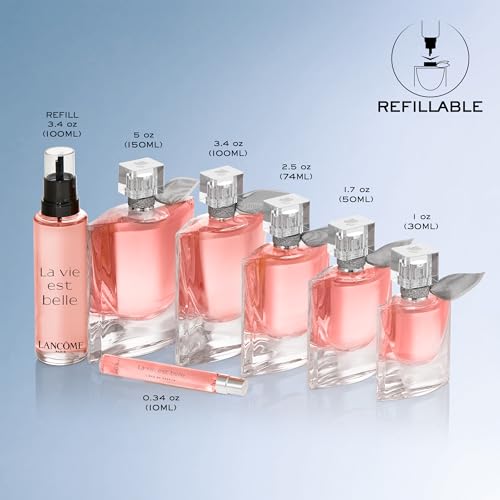
Bottle size affects how easy your perfume is to carry, store, and use before the scent changes over time. If you want something for a purse, gym bag, or travel kit, look for a compact, lightweight bottle or travel spray; if it will stay on your vanity and you wear it daily, a larger volume can be more practical. Watch out for oversized or unusually shaped bottles that look attractive but may be hard to pack, hold, or fit in a drawer.
Do not automatically choose the largest bottle for an expensive perfume unless you already know you will use it often; fragrance can oxidize over time, and a large bottle of a polarizing scent can become wasted money. A travel or mid-size bottle is safer for seasonal scents, date-night perfumes, and formulas you have not tested across weather and skin conditions, while generous bottles make sense for daily signatures or lighter mists that require more sprays. Owners appreciated portable purse-friendly formats, generous everyday-use bottles, and larger presentations that felt substantial, especially when the amount matched regular use.
Design
Because perfume often lives on a vanity, in a bag, or as a gift, the bottle design and overall appearance can affect how much you enjoy owning and using it. Look for packaging that feels well made, is easy to hold and spray, and suits your style, but be careful not to let a striking bottle outweigh the scent, wearability, or practicality of the fragrance itself.
For a premium fragrance, inspect the practical design as much as the vanity appeal: the atomizer should spray a fine even mist, the cap should fit securely, the bottle should not leak in a bag, and darker or well-sealed packaging helps protect juice from light and air. If you plan to carry it, favor travel-safe formats over heavy decorative glass; if it will sit on a dresser, presentation may matter more, but it should still be easy to grip and spray accurately. Owner feedback often praised pretty bottles, sleek or golden-looking presentation, fine mists, and travel-friendly packaging, showing that design adds satisfaction when it is both attractive and usable.
1,000,000+ shoppers use Buyer's Guide every week to find the best products and services online.

Helping millions of users make smarter purchases online.


