





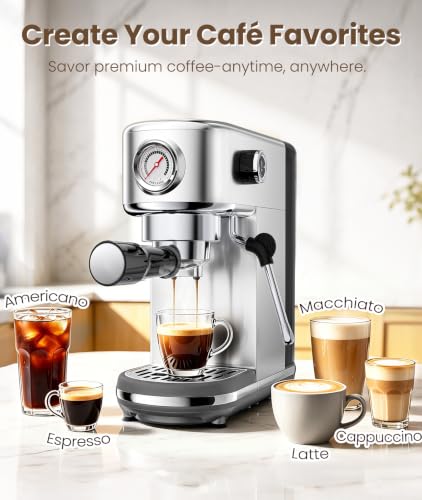


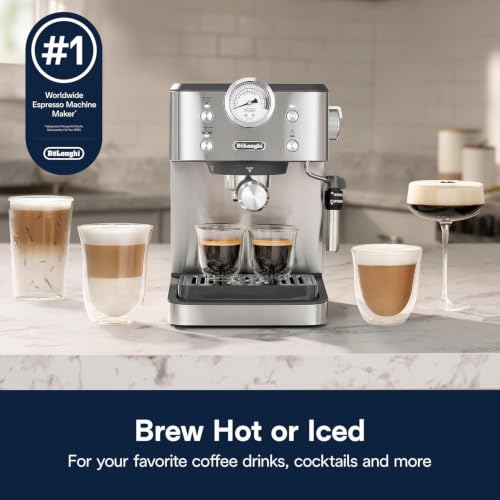


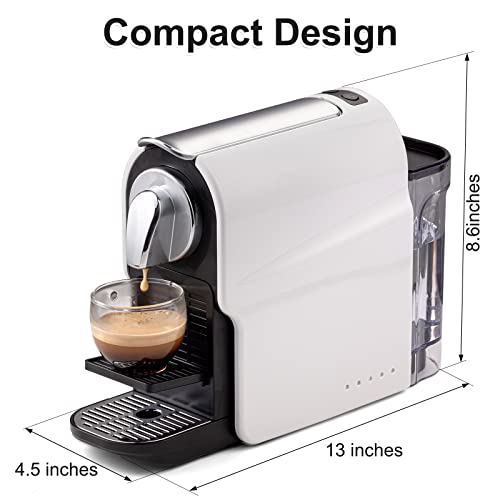
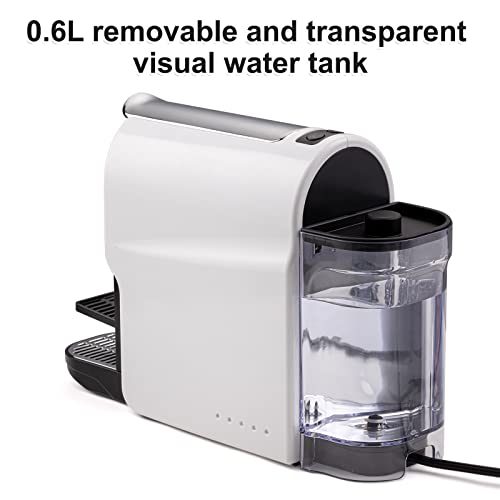


We also considered 10 others:


Our Top Choice
Compare Features


The order above is not editorial opinion, and it is not paid placement. It comes from what shoppers across our network actually do - which espresso pod machines they compare, and which they ultimately buy. We re-rank as new data comes in, so the long-term favorites have to keep earning their spot against new entrants. The full method, including how we make money.
Espresso Pod Machines Buyer's Guide
Espresso pod machines trade barista-level control for speed, consistency, and capsule convenience, so the biggest buying question is whether the machine’s pod system, pressure/temperature behavior, and drink sizes match the way you actually drink coffee. Pay close attention to capsule compatibility and milk-drink workflow: the wrong pod format can lock you into limited options, while weak crema, lukewarm output, or awkward frothing can quickly make a “convenient” machine feel disappointing.
Brew
Your espresso machine ultimately earns its place by what ends up in the cup: balanced flavor, good body, and consistent extraction shot after shot. Look for machines that can maintain stable temperature and pressure, let you control grind- and dose-sensitive variables, and avoid models that regularly produce sour, bitter, watery, or inconsistent espresso.
For brew quality, look first at the pod format and extraction style: original-style espresso capsules tend to suit short, concentrated shots and lattes, while larger centrifuge-style or multi-size systems are better if you want both espresso-like drinks and full mugs. Check that the machine reaches proper temperature quickly, produces stable pressure or extraction, and can deliver crema without turning shots watery; if you mostly drink milk drinks, prioritize a strong enough espresso base that still cuts through milk. Owner feedback supports this focus: shoppers repeatedly praise these machines when they make rich, strong, smooth espresso with good crema, consistent coffee-shop-style results, and flavor that feels like a clear upgrade from basic drip coffee.
Ease
Ease of use matters because an espresso machine you can operate confidently is more likely to fit into your daily routine, especially when you’re half-awake or making back-to-back drinks. Look for clear controls, intuitive settings, easy water and bean access, straightforward cleaning prompts, and a workflow that matches how hands-on you want to be. Watch out for machines that require frequent manual adjustments, complicated menus, or fussy cleanup if you want consistent results with less effort.
For ease of use, make sure the daily pod routine is genuinely low-friction: capsules should load cleanly, eject or remove without mess, the water tank should be easy to refill under your cabinets, and used-pod cleanup should not require touching hot, wet capsules. If the machine includes a frother, multiple adapters, or both pod and ground-coffee modes, check that switching modes is clearly labeled and does not add fiddly parts you will avoid on busy mornings. Owners tend to be happiest when setup, brewing, refilling, steaming, and cleaning feel straightforward, with quick startup, simple cup-size selection, clear instructions, and little learning curve for beginners.
Build
Because espresso machines combine heat, pressure, water, and moving parts, build quality has a big impact on how reliably your machine performs over time. You should look for sturdy materials, tight-fitting parts, stable portafilter and steam-wand mechanisms, and a design that makes seals, gaskets, and drip areas easy to inspect or maintain. Watch for signs owners often report as leakage, inconsistent pressure, loose components, or repeated failures, since those can turn a good shot into an ongoing repair hassle.
For build quality, inspect the parts that take the most abuse in a pod machine: the capsule clamp or lever, piercing needles, adapter trays, drip tray, water reservoir tabs, and frother fittings. Avoid machines that feel flexy around the brew head or rely on fragile adapters if you plan to switch pod types often, because leaks, poor puncturing, and misalignment are common failure points in this category. Owner sentiment is strongest around machines that feel sturdy, heat quickly, keep working after regular use, and become dependable everyday appliances rather than novelty gadgets; buyers also value machines that replace frequent coffee-shop drinks without needing a bulky setup.
Features
Features determine how well an espresso machine fits your routine, from brew speed and milk frothing to programmable settings and drink variety. Look for functionality you’ll actually use—such as consistent temperature control, quick heat-up, easy shot timing, and reliable steaming—while avoiding machines loaded with extras that make operation slower or more complicated.
For features, start with compatibility rather than the longest feature list: verify the exact capsule families supported, whether reusable pods or ground coffee are allowed, and whether adapters are included or sold separately. Multi-format machines can be useful, but only if they preserve proper espresso extraction and do not turn every option into a compromise; also check cup-height clearance, programmable volumes, hot-water output, milk steaming or frothing, and whether the machine can make the drink sizes you use most. Owners especially appreciate broad compatibility across espresso capsules, coffee pods, ESE-style pods, and grounds, plus practical extras like multiple brew sizes, memory settings, hot water, steamed milk, and easy-to-clean labeled adapters.
Design
Your espresso machine will likely sit out on the counter, so its appearance should fit your kitchen rather than feel like clutter. Look for a design, finish, and footprint that match your space and daily routine, and watch for bulky shapes, awkward controls, or surfaces that show fingerprints and splashes too easily.
For design, measure the real operating footprint, not just the base: you need clearance to lift the lid or lever, remove the water tank, fit your preferred mug, access the used-capsule bin, and use the frother without crowding the counter. In small kitchens, offices, RVs, or dorm-style spaces, a compact machine is only helpful if the drip tray, accessories, cord, and milk system store neatly and the machine remains stable when locking in a capsule. Owner feedback aligns with this: compact stainless or minimalist designs are praised for fitting small counters, looking modern, keeping accessories integrated, and still feeling capable enough for everyday cups without seeming flimsy or underpowered.
1,000,000+ shoppers use Buyer's Guide every week to find the best products and services online.

Helping millions of users make smarter purchases online.


