

















We also considered 10 others:


Our Top Choice
Compare Features


The order above is not editorial opinion, and it is not paid placement. It comes from what shoppers across our network actually do - which espresso machines they compare, and which they ultimately buy. We re-rank as new data comes in, so the long-term favorites have to keep earning their spot against new entrants. The full method, including how we make money.
Espresso Machines Buyer's Guide
Espresso machines force a tradeoff between café-level control and everyday convenience: the more a machine lets you control grind, dose, temperature, pressure, and milk texture, the more skill and cleaning it demands. The sharpest buying risks are choosing a system that locks you into the wrong pods or grinder workflow, and overlooking maintenance issues like scale, leaks, worn gaskets, and weak steam performance.
Brew
Your espresso machine ultimately earns its place by what ends up in the cup: balanced flavor, good body, and consistent extraction shot after shot. Look for machines that can maintain stable temperature and pressure, let you control grind- and dose-sensitive variables, and avoid models that regularly produce sour, bitter, watery, or inconsistent espresso.
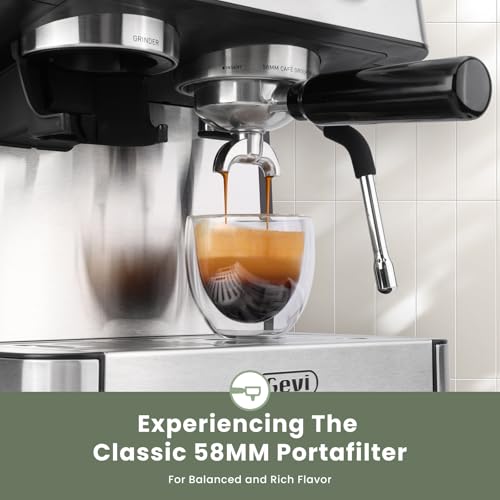
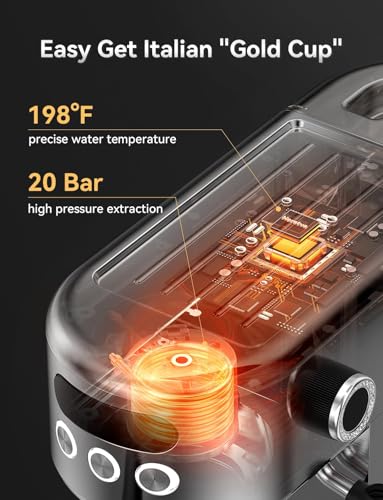
Prioritize brew hardware and workflow that match real espresso requirements: stable water temperature, roughly 9-bar extraction at the coffee puck, a capable grinder or pod system that fits your preferred capsule format, and baskets that suit your skill level. Avoid judging by inflated pump-pressure claims alone, and be cautious with machines that can only use pressurized baskets if you want to grow into dialing in fresh beans; for capsule models, confirm whether you want original-style espresso capsules, larger coffee capsules, or both. Owner feedback supports this focus: shoppers repeatedly praise machines that deliver rich flavor, smooth shots, satisfying crema, and café-style drinks at home, while pod users especially value consistent, strong coffee that does not taste weak.
Build
Because espresso machines combine heat, pressure, water, and moving parts, build quality has a big impact on how reliably your machine performs over time. You should look for sturdy materials, tight-fitting parts, stable portafilter and steam-wand mechanisms, and a design that makes seals, gaskets, and drip areas easy to inspect or maintain. Watch for signs owners often report as leakage, inconsistent pressure, loose components, or repeated failures, since those can turn a good shot into an ongoing repair hassle.
Look for the parts that fail or frustrate first in home espresso: a sturdy portafilter, secure water tank, drip tray that does not wobble or overflow easily, replaceable group gasket, durable steam knob or buttons, and enough counter clearance to remove the tank and fit your cups. If you plan daily milk drinks, pay extra attention to steam-wand construction and heat recovery; if you have hard water, choose a machine with clear descaling access because scale buildup can shorten pump and thermoblock life. Owner sentiment backs the importance of solid construction, with many buyers describing good machines as sturdy, dependable, well made for home use, and not like flimsy plastic.
Ease
Ease of use matters because an espresso machine you can operate confidently is more likely to fit into your daily routine, especially when you’re half-awake or making back-to-back drinks. Look for clear controls, intuitive settings, easy water and bean access, straightforward cleaning prompts, and a workflow that matches how hands-on you want to be. Watch out for machines that require frequent manual adjustments, complicated menus, or fussy cleanup if you want consistent results with less effort.
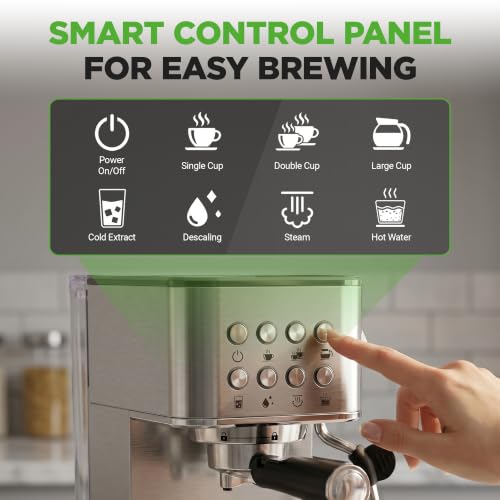
Choose the level of automation based on how much espresso technique you actually want to manage: capsule and one-touch systems minimize dialing in, while semi-automatic machines require grind adjustment, dosing, tamping, purging, and cleaning. Beginners should look for guided settings, clear shot controls, accessible water refilling, simple milk-steaming steps, cleaning prompts, and an included manual that explains grind and dose changes; avoid a fully manual setup unless you are willing to use a scale and adjust beans regularly. Owner feedback supports this split: buyers appreciate machines with straightforward setup, intuitive controls, guided prompts, simple buttons, and approachable brewing, steaming, refilling, and cleanup.
Value
Value matters because an espresso machine can seem worthwhile only if its shot quality, milk performance, durability, and ease of use match what you paid for. Look for owners saying it delivers consistent results and has features you’ll actually use; watch out for complaints about costly upkeep, flimsy parts, or a learning curve that makes the machine feel like poor value for money.
Evaluate total espresso setup cost, not just the machine: a fresh-bean setup may also require a capable grinder, scale, tamper, milk pitcher, cleaning tablets, descaler, water filters, replacement gaskets, and possibly better baskets, while capsule machines trade lower effort for ongoing pod costs and format lock-in. The best value is the machine you will use often enough to replace café drinks without adding a frustrating workflow or maintenance burden; skip feature bundles that do not improve your daily drink, such as cold-foam modes if you only pull straight shots. Owner sentiment aligns with this practical view, as many buyers feel good machines pay off by replacing coffee-shop runs and are seen as strong values when they heat quickly, perform reliably, and make satisfying espresso drinks at home.
Features
Features determine how well an espresso machine fits your routine, from brew speed and milk frothing to programmable settings and drink variety. Look for functionality you’ll actually use—such as consistent temperature control, quick heat-up, easy shot timing, and reliable steaming—while avoiding machines loaded with extras that make operation slower or more complicated.
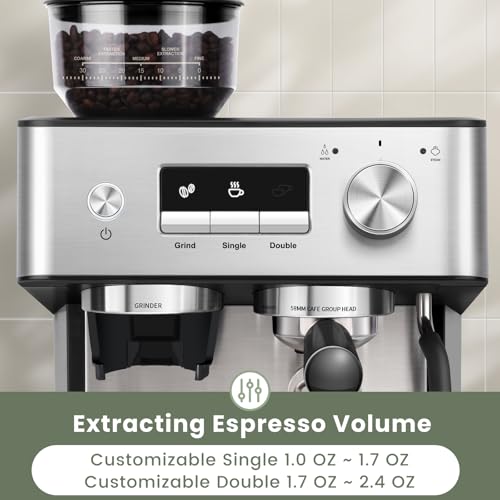
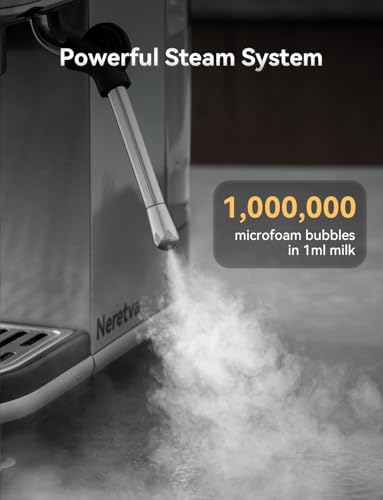
Pick features around your drink style: straight-espresso drinkers should prioritize grinder control, nonpressurized baskets, temperature stability, pre-infusion, and programmable shot volume, while latte drinkers should prioritize steam power, wand articulation, milk texture control, and easy purging. For pod machines, verify capsule compatibility, brew-size options, memory settings, and cup clearance before buying; for all-in-one machines, check whether the grinder has enough adjustment range and whether tamping or dosing aids are removable if you want more control later. Owner feedback supports these feature choices: buyers like all-in-one grinder, tamping, and brewing setups, guided interfaces, one-touch drink selection, multiple brew sizes, memory functions, and machines that handle espresso, lattes, cold foam, and different beans consistently.
1,000,000+ shoppers use Buyer's Guide every week to find the best products and services online.

Helping millions of users make smarter purchases online.


