


- Supply Kits: 72 hours, 1 week, 2 weeks, 1 month, 3 months, 1 year
- Shelf Life: 25+ years
- Nutrition: Up to 1,500 calories per day
- Payment Plan: Yes, pay with Affirm
- Guarantee: 365-day money-back guarantee
- Shipping: Free Shipping on select orders

- Supply Kits: 72 hours, 1 week, 2 weeks, 1 month, 3 months, 1 year
- Shelf Life: 25+ years
- Nutrition: Up to 1,500 calories per day
- Payment Plan: Yes, pay with Affirm
- Guarantee: 365-day money-back guarantee
- Shipping: Free Shipping on select orders

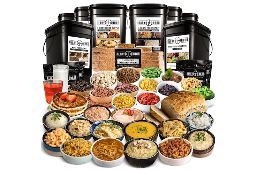
- Supply Kits: 72 hours, 1 week, 1 month, 3 months, 6 months, 1 year
- Shelf Life: 25+ years
- Nutrition: Up to 2,200 calories per day
- Payment Plan: Yes, pay with Affirm
- Guarantee: 30-day money-back guarantee
- Shipping: Free shipping, FL customers pay no sales tax on food or generators

- Supply Kits: 72 hours, 1 week, 1 month, 3 months, 6 months, 1 year
- Shelf Life: 25+ years
- Nutrition: Up to 2,200 calories per day
- Payment Plan: Yes, pay with Affirm
- Guarantee: 30-day money-back guarantee
- Shipping: Free shipping, FL customers pay no sales tax on food or generators
.png)

- Supply Kits: Sample pack, 12-pack cases, or pallet of 14oz or 28oz
- Shelf Life: 25+ years
- Nutrition: 980 calories per can, 13,720 per case
- Payment Plan: Yes, up to 12 months
- Guarantee: 6-months no-hassle refunds
- Shipping: Free on orders $99+
.png)
- Supply Kits: Sample pack, 12-pack cases, or pallet of 14oz or 28oz
- Shelf Life: 25+ years
- Nutrition: 980 calories per can, 13,720 per case
- Payment Plan: Yes, up to 12 months
- Guarantee: 6-months no-hassle refunds
- Shipping: Free on orders $99+

- Supply Kits: 1 week, 2 weeks, 1 month, 3 months, 6 months, 1 year
- Shelf Life: 25+ years
- Nutrition: Up to 1,800 calories per day
- Payment Plan: Yes, pay with Affirm
- Guarantee: 30-day money-back guarantee
- Shipping: From $9.99

- Supply Kits: 1 week, 2 weeks, 1 month, 3 months, 6 months, 1 year
- Shelf Life: 25+ years
- Nutrition: Up to 1,800 calories per day
- Payment Plan: Yes, pay with Affirm
- Guarantee: 30-day money-back guarantee
- Shipping: From $9.99


- Supply Kits: 72-hours, 1 month, 3 months, 6 months, 1 year
- Shelf Life: 25+ year guarantee
- Nutrition: Up to 2,000+ calories per day
- Payment Plan: Yes, pay with Shop Pay or Afterpay
- Guarantee: 30-day money-back guarantee
- Shipping: Free shipping

- Supply Kits: 72-hours, 1 month, 3 months, 6 months, 1 year
- Shelf Life: 25+ year guarantee
- Nutrition: Up to 2,000+ calories per day
- Payment Plan: Yes, pay with Shop Pay or Afterpay
- Guarantee: 30-day money-back guarantee
- Shipping: Free shipping


- Supply Kits: 72 hours, 1 week, 1 month, 3 months, 6 months, 1 year
- Shelf Life: 25+ years
- Nutrition: Up to 2,400 calories per day
- Payment Plan: No
- Guarantee: 30-day money-back guarantee
- Shipping: Free shipping

- Supply Kits: 72 hours, 1 week, 1 month, 3 months, 6 months, 1 year
- Shelf Life: 25+ years
- Nutrition: Up to 2,400 calories per day
- Payment Plan: No
- Guarantee: 30-day money-back guarantee
- Shipping: Free shipping
.png)

.png)


- Supply Kits: 4 weeks, 3 months, 6 months, and 1 year kits
- Shelf Life: Up to 25 years
- Nutrition: Over 2,500 calories per day
- Payment Plan: Yes, pay in installments with Affirm
- Guarantee: 30-day money back guarantee
- Shipping: Free US shipping on orders over $99

- Supply Kits: 4 weeks, 3 months, 6 months, and 1 year kits
- Shelf Life: Up to 25 years
- Nutrition: Over 2,500 calories per day
- Payment Plan: Yes, pay in installments with Affirm
- Guarantee: 30-day money back guarantee
- Shipping: Free US shipping on orders over $99
Our Top Choice
- Supply Kits: 72 hours, 1 week, 2 weeks, 1 month, 3 months, 1 year
- Shelf Life: 25+ years
- Nutrition: Up to 1,500 calories per day
- Payment Plan: Yes, pay with Affirm
- Guarantee: 365-day money-back guarantee
- Shipping: Free Shipping on select orders
- Supply Kits: 72 hours, 1 week, 2 weeks, 1 month, 3 months, 1 year
- Shelf Life: 25+ years
- Nutrition: Up to 1,500 calories per day
- Payment Plan: Yes, pay with Affirm
- Guarantee: 365-day money-back guarantee
- Shipping: Free Shipping on select orders
Compare Features
Why These Features Matter:
Emergency food is one of those purchases that feels a little dramatic until the power flickers, the roads close, your kid gets a stomach bug, or you realize you’re “just running to the store” for the third time this week and still have nothing to eat. The goal isn’t to build a bunker pantry. It’s to buy yourself calm: calories you can actually access, food you’ll actually tolerate, and packaging that won’t betray you when you’re tired, stressed, or operating by headlamp.
The tricky part: a lot of emergency food is designed by people who seem to hate flavor, joy, and sodium limits. The best stuff doesn’t need to taste like a survivalist dare. It should fit in a closet, survive neglect, and still feel like food — not a punishment.
1) “No-Cook” vs. “Just Add Hot Water”: Choose the Reality You’ll Actually Have
The most important question is boring and : Will you be able to heat water? Because plenty of emergency meals assume you’ve got a stove, a kettle, a functioning kitchen, and the will to do anything besides sit very still and stare at the ceiling.
- No-cook options (ready-to-eat cans, pouches, bars) are the closest thing to a guaranteed win. They’re not always elegant, but they’re reliable when your “kitchen” is a flashlight and a slightly judgmental cat.
- Hot-water meals (freeze-dried pouches, cups) feel more like “dinner,” and morale matters. But they’re only as useful as your ability to make hot water and manage clean-up.
Editor’s take: A smart stash usually includes both — no-cook for the first chaotic day, hot-water meals for day two when you’re craving something warm and vaguely normal.
2) Packaging You Can Open Without a Full Emotional Breakdown
In an emergency, you don’t want to learn that your dinner requires the grip strength of a rock climber and scissors you can’t find. Packaging is a bigger deal than brands like to admit.
- Look for: easy-tear notches that actually tear, resealable tops that reseal, and pouches that stand up on their own (because balancing dinner on your knee is bleak).
- Avoid: “just use a can opener” as the plan. Yes, buy a manual one — but also don’t build your entire calorie supply around one tool disappearing into the drawer abyss.
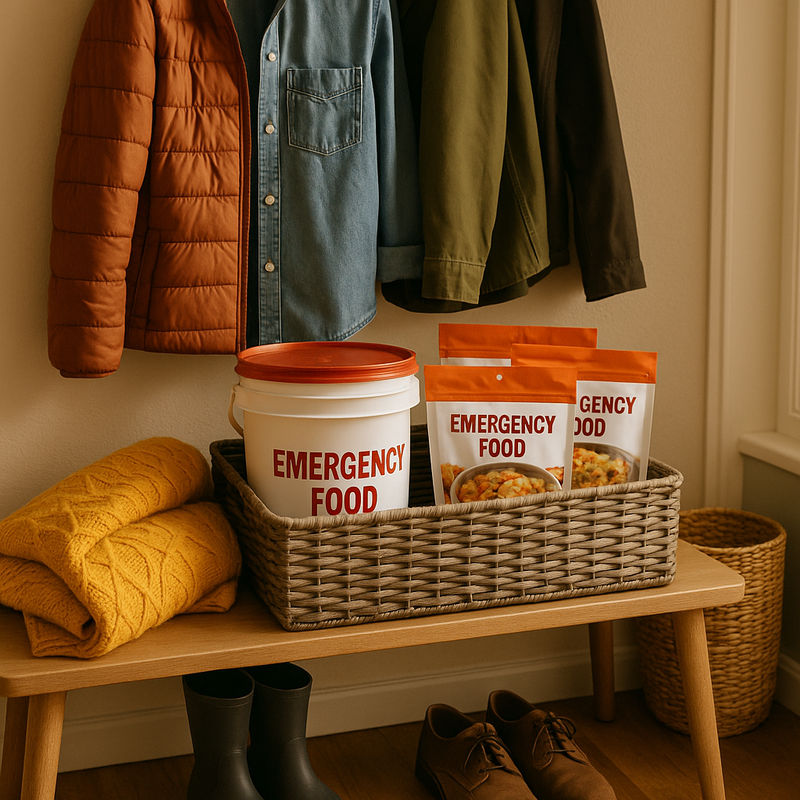
Small-life detail: If you live in an apartment, you’ll end up storing this under a bed, over a closet shelf, or behind the seasonal décor you swear you’ll organize. Packaging that doesn’t explode open when nudged matters.
3) Calories, Protein, and the Unromantic Art of Not Getting Hangry
Emergency food marketing loves the idea of “servings,” which are frequently imaginary — like the suggested serving size on cereal. You need to think in calories per day, not “meals.”
- Strength: Foods with a meaningful amount of protein and fat keep you fuller and less cranky (a humanitarian goal if you’re sheltering with other humans).
- Watch for: meals that look substantial but are mostly salt and starch. They’ll make you thirsty and still weirdly unsatisfied.
Practical guidance: If you’re building a stash for a household, plan for the person who eats like a bird and the person who eats like a golden retriever who’s just discovered toast.
4) Taste Matters More Than Preppers Want to Admit
There’s a certain corner of the internet that treats emergency food as a moral test. I’m not interested. In a stressful moment, you want food that feels like food. Flavor isn’t frivolous — it’s compliance. If it’s gross, you won’t eat it, and then it’s just expensive closet décor.
- What usually works: simple, familiar flavors (rice-based, pasta-based, soups, oatmeal) that don’t depend on “smoky brisket” seasoning magic.
- What gets weird: anything trying too hard to mimic a restaurant meal. “Creamy” can mean many things in emergency cuisine, and not all of them are comforting.
Honest caveat: Some meals taste fine but smell… intense. If you’re in a small space, you’ll notice. Your neighbors may also notice. This is not always ideal.
5) Shelf Stability Is Great; Rotating Your Stash Is Better
Long shelf life is reassuring, but the best emergency food plan is the one you can maintain without becoming a part-time inventory manager.
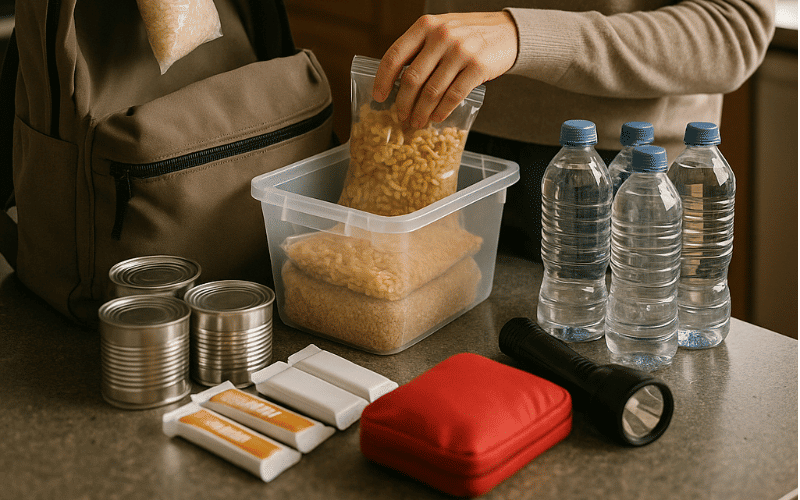
- Look for: items you can realistically rotate into normal life (soups, beans, nut butter, shelf-stable milk, instant oats, pasta, rice).
- Nice to have: a small “special” stash of longer-term meals you don’t touch unless you have to.
Apartment-person advice: Write the month/year on the front with a marker. It’s not chic, but neither is discovering your emergency granola bars have become historical artifacts.
6) Water: The Part Everyone Forgets Until They Can’t Forget It
A lot of emergency food assumes water is plentiful. Sometimes it is. Sometimes it’s the main problem. Hot-water meals can quietly become useless if you’re rationing water or dealing with boil advisories.
- Choose a mix: some meals that require no water, some that require a little, and only some that require a lot.
- Plan for thirst: salty foods will make you drink more. That’s fine — unless it isn’t.
Dry note: If your emergency plan involves a mountain of dehydrated food and zero water storage, it’s less a plan and more of a vibes-based pantry.
7) The “Kids Will Eat It” Test (and the “My Partner Is Picky” Test)
Emergency food should match your household’s actual eating habits. If someone in your home won’t touch spicy food, or can’t do dairy, or will only eat beige items shaped like other beige items — plan accordingly.
- Smart staples: plain oats, simple pasta, rice, mild soups, fruit pouches, crackers, nut butter (if allergies aren’t an issue).
- Morale boosters: hot chocolate, instant coffee, candy, electrolyte drink mix. Not nutritionally heroic, but emotionally effective.
Things to know: In real emergencies, appetites get weird. Familiar flavors become oddly important. This is not the time to discover your household’s tolerance for “Southwest-style” seasoning.
8) Storage That Doesn’t Ruin Your Home (or Your Back)
Emergency food is physically annoying. It’s boxes of cans, pouches, and “just in case” that you now have to live with. The best setup respects your space.
- For small homes: flatter packaging, stackable bins, and food you can tuck under beds or on top closet shelves.
- For bigger homes: avoid the temptation to buy a pallet’s worth of anything unless you enjoy moving heavy objects twice a year.
Honest caveat: Cans are dependable, but they’re heavy and loud. If you’re storing them in a closet above your head, you will think about that every time you reach for a winter coat.
9) Comfort + Function: The Best Emergency Food Doesn’t Make You Feel Like You’re “In an Emergency”
The most useful emergency food is the kind that doesn’t announce itself. It’s food you’d eat on a lazy Sunday, during a cold, or on a week when cooking feels personally offensive.
- Notable strength: multipurpose pantry staples are boring in the best way — they’re flexible, familiar, and don’t require a pep talk.
- Also good: a handful of “real meals” (the kind that feel like dinner) for morale, especially if you’re stuck at home.
How to Build a Smart, Livable Emergency Food Stash (Without Turning Into a Doomsday Person)
- Start with 3 days of no-cook food you’ll actually eat: ready-to-eat proteins, crackers, nut butter, canned soups, fruit, bars.
- Add 3–7 days of easy hot-water meals if you can realistically heat water (plus a plan for how).
- Include comfort items on purpose: coffee/tea, something sweet, something salty, something that feels “normal.”
- Rotate quarterly if possible: put the newest items in the back, oldest in front. Low drama, high effectiveness.
- Test one meal now (seriously): If you hate it on a calm Tuesday, you’ll hate it more during a blackout.
A Few Honest Caveats (Because Real Life Exists)
- Emergency food can be salty. That’s partly preservation, partly flavor. It can also make you thirstier than you expect.
- Some of it is bulky. If you’re in a small apartment, you may need to prioritize calorie density and packaging shape over aspirational variety.
- “Long-term” food often tastes like it’s trying. Sometimes it succeeds. Sometimes it tastes like someone described food over a walkie-talkie.
The Bottom Line
The “best” emergency food is the kind that fits your space, your water situation, and your actual appetite — and doesn’t require heroic effort to open, eat, or store. Build a stash that’s calm and boring on purpose, with a few warm, comforting meals tucked in for the moments when you need something that feels like dinner and not like a checklist.
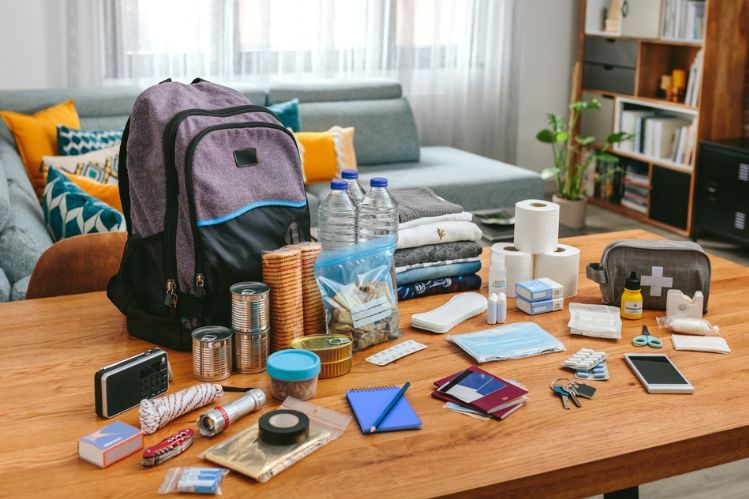
Emergency Food Supplies in Times of Global Crisis

Why Emergency Food Kits Are Worth the Investment
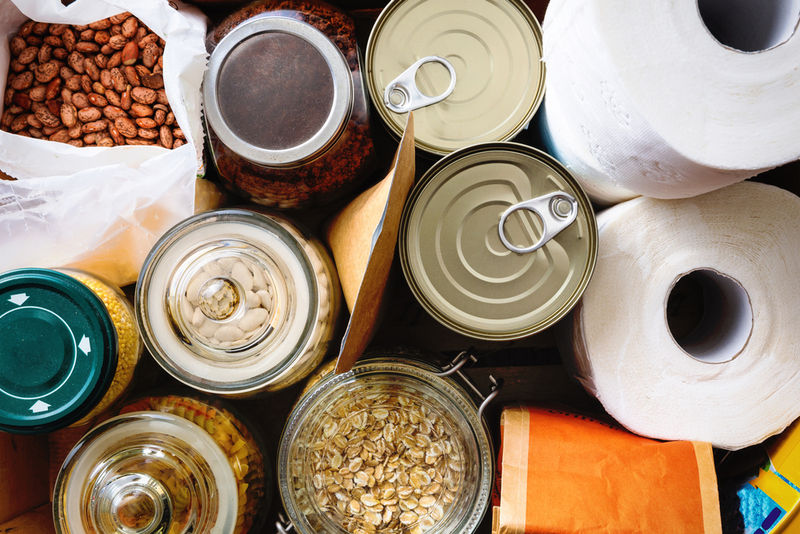
How Much Shelf Stable Food Should Your Family Have for Emergency Use?


.png)
Helping millions of users make smarter purchases online.


