













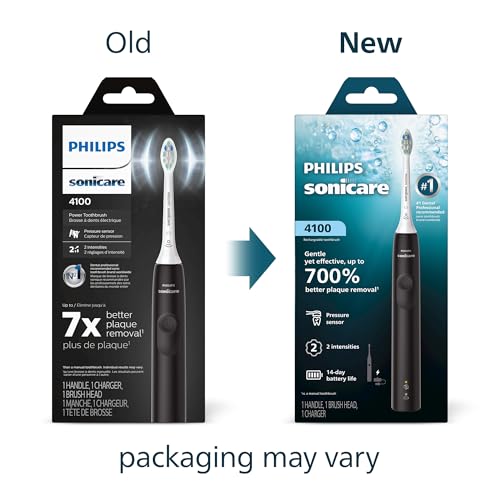


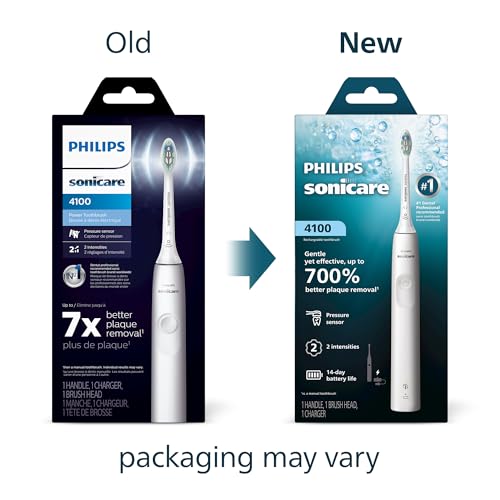

We also considered 10 others:


Our Top Choice
Compare Features


The order above is not editorial opinion, and it is not paid placement. It comes from what shoppers across our network actually do - which electric toothbrushes they compare, and which they ultimately buy. We re-rank as new data comes in, so the long-term favorites have to keep earning their spot against new entrants. The full method, including how we make money.
Electric Toothbrushes Buyer's Guide
Electric toothbrushes are mainly a tradeoff between stronger plaque disruption and protecting gums, enamel, dental work, and young brushers from too much force. The sharpest checks are whether the brush controls pressure and brushing time well, whether replacement heads will be easy and affordable to keep using, and whether the battery/charging setup fits daily bathroom and travel use.
Build
You want an electric toothbrush that feels solid in the hand, holds up to daily use, and has brush heads that keep their shape without fraying too quickly. Pay attention to owner feedback about durability, charging reliability, loose buttons or rattling parts, and whether replacement heads maintain good bristle quality over time. A well-built brush is less likely to become frustrating, ineffective, or expensive to maintain.
Choose a sealed, water-resistant handle with a sturdy neck, non-slip grip, and readily available replacement heads; avoid flimsy bundles if the heads feel harsh, wobble, or may be hard to replace later. For daily use, a basic durable handle can be better than a feature-heavy one if it has a reliable motor, soft-compatible heads, and survives years of wet-counter use. Owner feedback supports this: shoppers often describe simple electric brushes as dependable, no-nonsense upgrades from manual brushing, and some report years of reliable use; others like bundles that include extra heads and a travel case when the core brush still feels well made.
Features
Features matter because they shape how well an electric toothbrush fits your routine: look for useful settings such as sensitive or gum-care modes, a reliable timer, pressure or lighting cues, and brush head options that match your mouth and brushing goals. Extras like water flossing functions, travel accessories, or multiple cleaning modes can be helpful, but watch out for complicated controls or gimmicky features you won’t actually use.
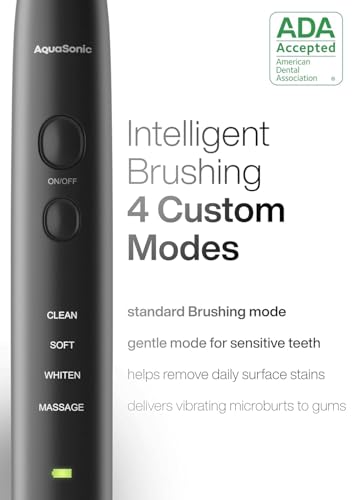
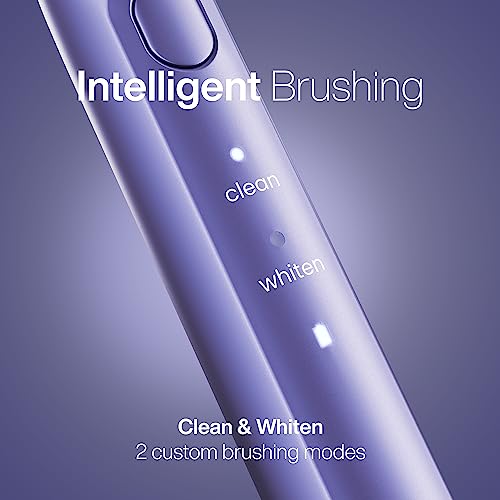
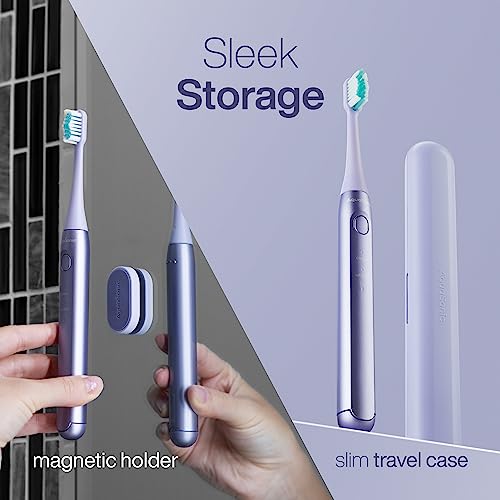
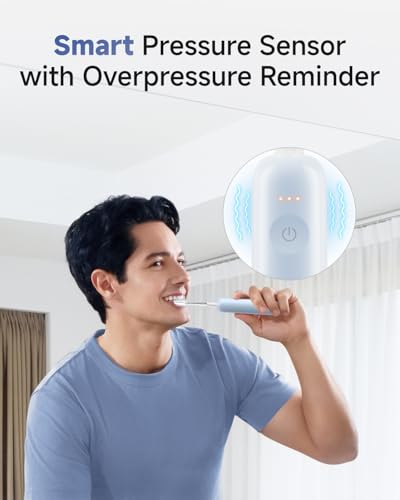
Prioritize features that prevent common electric-brushing mistakes: a 2-minute timer, 30-second quadrant pacing, a visible or tactile pressure sensor, soft or sensitive mode, and a travel lock if it will go in a bag. Extra whitening or polishing modes matter less than whether the brush helps you avoid scrubbing, overbrushing the gumline, or skipping molars; for braces, implants, recession, or sensitivity, pressure guidance and gentler intensity are especially important. Owners consistently praise timers, quadrant pacing, intensity settings, pressure guidance, multiple modes, included heads, and travel accessories because they make brushing feel thorough without becoming complicated.
Cleaning
Cleaning effectiveness is the main reason to choose an electric toothbrush, so look for one that consistently helps remove plaque and leaves your teeth feeling clean without requiring heavy pressure. Pay attention to brushing modes, brush-head movement, and whether the design reaches along the gumline and between teeth; extra “power” is not always better if it feels harsh or encourages you to scrub.
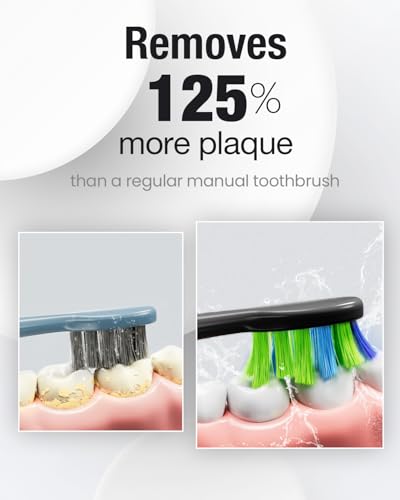
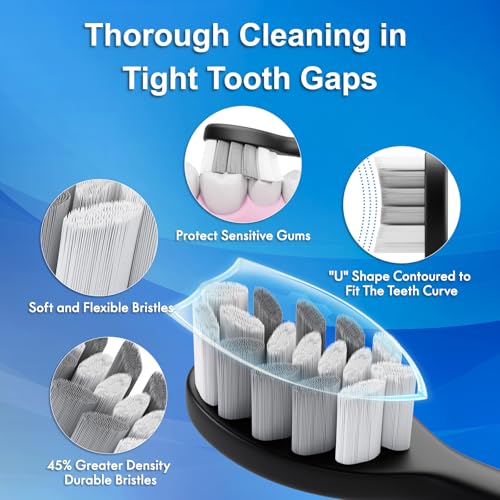
Look for cleaning action that removes plaque with light contact, not a brush that requires you to press hard; the safest sign is a small head or well-shaped head that reaches behind molars and along the gumline while using soft bristles. If you have braces, tight spacing, crowns, implants, or gum recession, check that compatible specialty or sensitive heads exist, because raw motor strength alone is not enough. Owner sentiment lines up with this: many buyers say their teeth feel smoother, cleaner, and more thoroughly polished after regular use, with plaque and tartar control often cited as standout strengths, and some report improved feedback from dental visits.
Value
You want an electric toothbrush that feels worth the money not just on day one, but over time. Look beyond the upfront cost and consider brush head replacement prices, battery life, durability, included modes or accessories you’ll actually use, and whether the cleaning performance justifies paying more. Watch out for models loaded with extras that raise the price without improving your daily brushing experience.
Judge value by the total ownership package: handle durability, refill-head cost and availability, included genuine heads, charger type, warranty support, and whether the brush has the safety features you will actually use. A cheap handle can become a poor buy if replacement heads are costly, scarce, too firm, or incompatible; conversely, a basic brush with a timer, pressure protection, and easy refills may beat a premium model full of modes you ignore. Owners often describe straightforward models as strong values when they clean well without unnecessary extras, and they especially appreciate sets with multiple replacement heads, travel cases, or multi-brush packs when performance remains solid.
Battery
Battery life matters because you want your toothbrush ready for daily use without constantly returning it to the charger, especially if you travel or share limited bathroom outlet space. Look for a runtime that fits your routine and a charging setup that is easy to live with, while watching out for brushes that lose power quickly or give little warning before the battery dies.
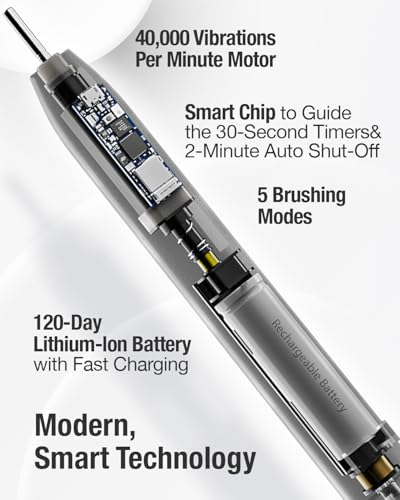
Match the battery system to your routine: for home use, look for a stable charging stand and enough runtime that a missed charge does not kill the brush; for travel, look for multi-week battery life, USB or case charging, voltage compatibility, and a travel lock. Be cautious with sealed rechargeable brushes if battery replacement is not possible, because battery decline can end the whole handle’s life; also check that the charger is practical for your bathroom outlet setup. Owners repeatedly praise long battery life, easy recharging, and travel-friendly charging cases or USB charging, with many reporting days or weeks between charges.
Usability
Usability matters because even a powerful electric toothbrush won’t help much if it feels awkward, messy, or annoying enough that you stop using it consistently. Look for a handle that’s comfortable to grip, simple controls you can operate without thinking, clear feedback for timing or pressure, and charging and cleaning routines that fit your daily habits.
Pick the handle and control layout for the actual user: adults usually benefit from a slim, grippy handle and one-button operation, kids need smaller heads and lighter handles, and users with limited dexterity may need larger grips or alternative full-mouth designs. For sensitive gums or new electric-brush users, choose simple modes that are easy to identify without cycling through confusing settings; for children, braces care, or disability support, consistency and comfort matter more than maximum power. Owner feedback supports this focus: buyers like lightweight handles, simple controls, easy mode switching, and pressure guidance, while parents and caregivers report that appropriately sized or easier-to-use designs can help kids and users with disabilities brush more consistently.
1,000,000+ shoppers use Buyer's Guide every week to find the best products and services online.

Helping millions of users make smarter purchases online.


