












We also considered 10 others:



Our Top Choice
Compare Features


The order above is not editorial opinion, and it is not paid placement. It comes from what shoppers across our network actually do - which electric scooters they compare, and which they ultimately buy. We re-rank as new data comes in, so the long-term favorites have to keep earning their spot against new entrants. The full method, including how we make money.
Electric Scooters Buyer's Guide
Electric scooters sit between toy, commuter vehicle, and battery-powered micromobility device, so the right choice depends less on headline speed and more on matching rider weight, route, braking, tires, and battery safety to the actual use. The sharpest checks are whether the scooter can safely handle your pavement, hills, and rider size, and whether its battery, folding joint, and controls will hold up to repeated daily use.
Build
Build quality matters because your scooter needs to handle repeated folding, road vibration, bumps, and weather exposure without feeling loose or fragile. Look for a sturdy frame, solid stem and deck, clean welds or joints, secure latches, and materials that feel rigid rather than flimsy. Watch out for rattles, excessive flex, weak folding mechanisms, or cheap-feeling controls, since those can affect both durability and your confidence while riding.
For electric scooters, prioritize a rigid frame, low-flex stem, secure folding latch, grippy deck, rated rider weight above the actual rider, dependable brakes, and visible water-resistance guidance; avoid scooters with vague load ratings, flimsy handlebar posts, exposed wiring, or toy-like hinges if they will be used for commuting or heavier riders. For kids, look for a stable stance, rounded edges, reliable speed limiting, and construction that tolerates drops and curb bumps. Owner feedback supports this emphasis on sturdiness: buyers repeatedly describe well-made, solid-feeling scooters that hold up to frequent use, indoor/outdoor play, bumps, and even kids crashing during normal use.
Speed
Speed affects how confidently you can keep up with traffic, merge through bike lanes, and handle stop-and-go riding, while acceleration and motor power matter just as much as the listed top speed. Look for performance that fits your commute, rider weight, and local speed limits, and pay close attention to hill climbing ability if your route includes inclines. Be wary of headline top-speed claims that may depend on ideal conditions, since real-world performance can drop with low battery, heavier loads, rough pavement, or steep hills.
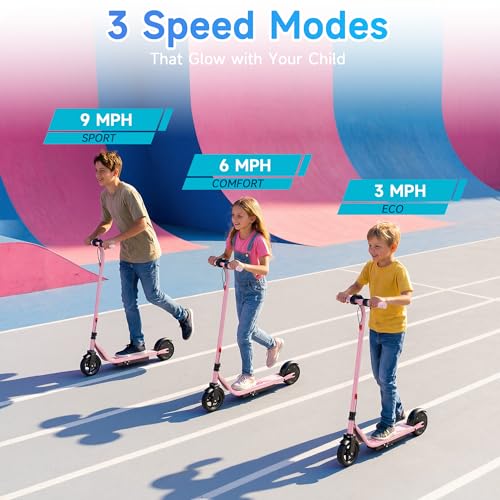
Choose speed by rider and route, not by the biggest number: adults commuting on streets may want responsive acceleration and hill-capable power, while children need selectable low-speed modes, predictable throttle response, and a top speed parents can realistically supervise. Check whether speed modes are easy to lock or remember after shutdown, and be cautious of models that reach high speeds without braking, lighting, and tire stability to match. Owner sentiment lines up with this split: commuters appreciate acceleration, hill handling, and high-teens to around 20 mph performance, while families value multiple speed settings that let younger riders start slowly and still keep the ride fun without feeling out of control.
Ride
Ride quality determines how comfortable and confident you feel on an electric scooter, especially over uneven pavement, turns, and longer trips. Look for stable handling, predictable controls, tires or wheels suited to your surfaces, and suspension or deck design that reduces vibration; watch out for scooters that feel twitchy, harsh, or cramped. If the scooter has a seat, make sure it supports your posture without making steering or balance feel awkward.
Match the ride system to the surface: solid tires reduce flats but transmit more vibration, pneumatic tires improve grip and comfort but need maintenance, and suspension matters if the route includes cracked sidewalks, speed bumps, brick paths, or rough pavement. For beginners and younger kids, stability features such as three-wheel layouts, wide decks, lean-to-steer handling, adjustable handlebars, and grippy foot platforms are more important than adult-style speed. Owners consistently praise scooters that feel smooth, stable, and city-ready, especially when suspension, solid tires, adjustable bars, grippy decks, and beginner-friendly balance make everyday sidewalks and bumps easier to handle.
Value
Value matters because an electric scooter can look affordable upfront but cost more over time if the range, build quality, battery life, or parts availability do not match your needs. Look for a fair balance of price, performance, durability, and warranty support, and be cautious of very cheap options that cut corners on braking, tires, or water resistance.
Judge value by safety-critical hardware and long-term ownership, not just extras: stronger brakes, replaceable tires, a durable folding mechanism, realistic range, battery certification, charger availability, and warranty support matter more than decorative lights, speakers, or app features. Budget scooters can be worthwhile for short rides, kids, or flat campus trips, but they should still meet the rider weight, terrain, and braking needs rather than simply feeling inexpensive. Owner feedback suggests many buyers do find strong value when scooters combine sturdy frames, smooth rides, easy setup, folding convenience, and useful fun features, with some noting quality that feels better than expected for a budget-oriented ride.
Battery
Battery life and range determine whether your scooter can handle your typical trips without leaving you looking for an outlet. Look for a realistic per-charge range that comfortably exceeds your commute or errands, and remember that rider weight, hills, speed, temperature, and tire pressure can reduce the distance you actually get. If you plan longer rides, prioritize a larger battery and factor in charging time so the scooter is ready when you need it.
For this category, treat advertised range as best-case: rider weight, speed mode, hills, cold weather, tire pressure, and stop-start riding can cut real range, so buy with a buffer beyond your round-trip need. Check charge time, battery safety certification, charger compatibility, replacement availability, water-exposure limits, and whether the scooter can finish the commute without being stored or charged in unsafe conditions. Owners often report battery life as a strength, saying scooters last through neighborhood rides, after-school play, errands, campus use, commutes, and multiple medium trips before recharging, with some noting steady battery performance over time.
Usability
Usability affects how quickly you can get riding and how comfortable the scooter feels in daily use, from initial assembly to folding, carrying, charging, and adjusting the fit. Look for intuitive controls, a clear display, secure folding mechanisms, practical lights or signals, and handlebar or ride settings that match your needs. Watch out for scooters that are awkward to fold, difficult to carry, confusing to operate, or limited in adjustability, especially if you plan to use them often or share them with other riders.
Before buying, confirm the scooter fits the actual rider and storage routine: handlebar height, deck width, weight, folded size, carrying comfort, kickstand stability, display readability, throttle/brake placement, and whether assembly requires more than basic tools. Families should look for adjustable bars, beginner-friendly controls, wide bases, seat options for toddlers, and folding designs that adults can lift into a car or closet without pinched fingers or loose latches. Owner sentiment supports these practical checks: buyers frequently like quick setup, simple assembly, foldability, adjustable handlebars, beginner-friendly three-wheel or self-balancing designs, wide bases, and easy out-of-box riding.
1,000,000+ shoppers use Buyer's Guide every week to find the best products and services online.

Helping millions of users make smarter purchases online.


