





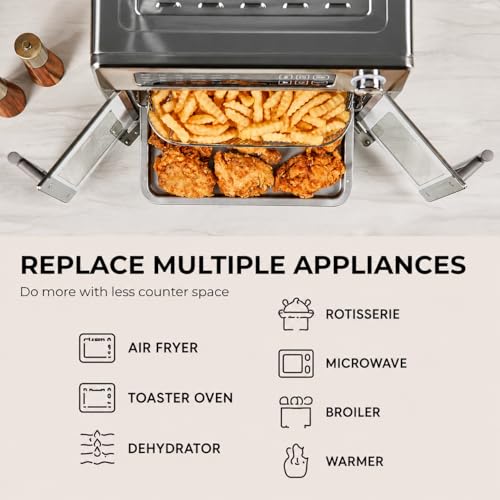


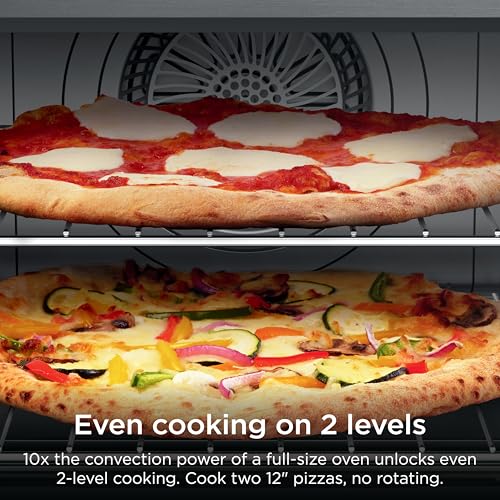


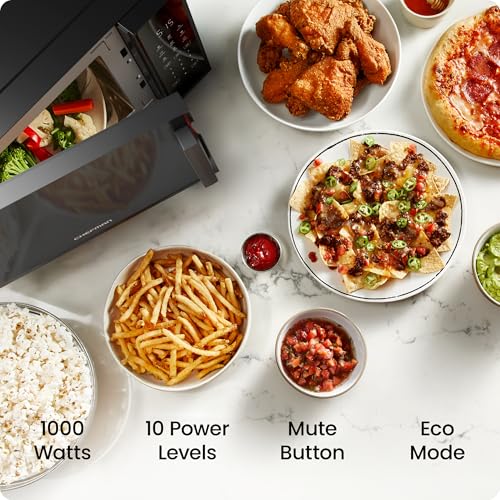


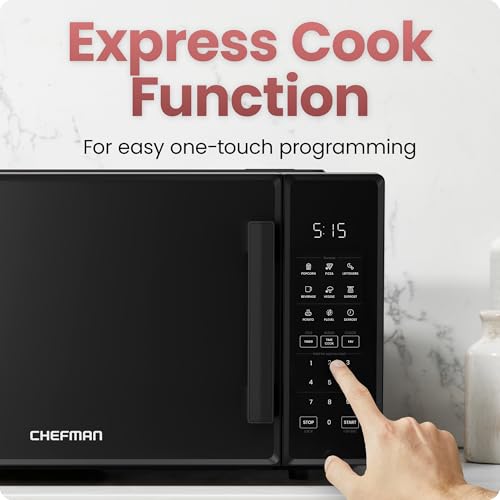


We also considered 10 others:


Our Top Choice
Compare Features


The order above is not editorial opinion, and it is not paid placement. It comes from what shoppers across our network actually do - which countertop ovens they compare, and which they ultimately buy. We re-rank as new data comes in, so the long-term favorites have to keep earning their spot against new entrants. The full method, including how we make money.
Countertop Ovens Buyer's Guide
Countertop ovens sit between convenience appliance and true oven replacement, so the key tradeoff is usable cooking capacity versus counter space and heat clearance. The sharpest concerns are whether your real cookware and foods fit inside, and whether the build, door seal, controls, and accessories can handle repeated high-heat baking, toasting, reheating, and air-frying without becoming frustrating.
Build
Build quality matters because a toaster oven deals with frequent heating and cooling, door movement, crumb buildup, and daily handling, all of which can expose weak construction over time. Look for a sturdy door and hinges, solid-feeling knobs or buttons, stable racks and trays, and materials that resist warping, rattling, or peeling. Be cautious of flimsy controls, uneven gaps, loose parts, or interiors that seem hard to clean, since those can affect both reliability and long-term durability.
Look for a countertop oven with a rigid, well-insulated body, a door that seals evenly, stable rack positions, and included trays that do not flex under heavier foods; this category fails most often when thin metal warps, doors leak heat, crumb trays rattle, or coatings degrade under frequent air-fry/high-heat use. If you plan to replace a full-size oven for daily baking, roasting, reheating, and air frying, prioritize durable hinges, accessible crumb management, and enough rack support for real cookware rather than just toast. Owner feedback supports this: buyers most appreciate models that become everyday workhorses, combine several appliances in one, and feel sturdy enough for constant use, while noting that compact units may still have limits with very large baking dishes.
Size
Size matters because you need a toaster oven that fits your counter with enough clearance around it while still having the interior capacity for what you actually cook. Check both the exterior footprint and the usable interior dimensions, since an oven that looks compact may be too small for a pizza, baking pan, or multiple slices, while a larger one can crowd your workspace or be harder to store.
Measure both the outside footprint and the usable interior before buying: check counter depth with rear/side clearance, cabinet height with the door open, and whether your actual pan, pizza, casserole dish, loaf pan, or small roasting tray fits on the rack with airflow around it. For family meals, frozen pizza, 9x13-style dishes, or two-rack cooking, choose an extra-wide or XL cavity; for tight apartments, dorm-style kitchens, or secondary use, avoid oversized ovens that consume prep space and still require heat clearance. Owners consistently value the sweet spot where an oven fits comfortably on the counter but still handles substantial meals, larger dishes, multiple toast slices, frozen pizza, or even occasional larger roasts, and they also like not heating a full-size oven for small daily meals.
Usability
A toaster oven should make everyday tasks feel quick and straightforward, so look for clear controls, easy-to-read settings, and presets that match how you actually cook. Watch out for crowded dials, confusing icons, or menus that make simple jobs like toast, reheat, and bake harder than they need to be. The easier it is to set the time, temperature, and mode accurately, the more consistently you’ll use it.
Choose controls you can operate accurately while cooking: clear temperature and time markings, dedicated toast shade control if you toast often, a visible timer, an interior light or easy viewing window, and presets that still allow manual adjustment. For air-fry and bake use, make sure trays and racks slide in securely, the crumb tray removes without tipping debris, and the door style works in your kitchen layout; avoid touch-only interfaces or preset-heavy designs if you want quick reheating without menu hunting. Owner sentiment backs this up, with buyers praising simple dials, intuitive controls, quick heat-up, practical presets, easy cleanup, included racks and trays, and door designs that make daily operation smoother.
Value
A toaster oven should justify its cost with reliable heating, useful cooking functions, and build quality that fits how often you’ll use it. Look for the features you’ll actually benefit from—like consistent toast, enough capacity, intuitive controls, and easy cleaning—rather than paying extra for settings or accessories that won’t change your daily cooking. The best value is not always the cheapest option, but the one that performs well enough to replace or reduce use of other appliances without feeling overbuilt for your needs.
Judge value by what the oven can genuinely replace in your kitchen, not by feature count alone: a good buy should cover the specific jobs you will repeat—toast, reheating, air frying, frozen foods, baking small batches, or acting as a second oven—without requiring awkward pan swaps or constant monitoring. Paying more only makes sense if you gain durable construction, usable capacity, accurate heat, useful accessories, and enough versatility to remove other appliances from the counter; otherwise a simpler compact unit may be the better fit. Owners often describe strong value when one appliance successfully combines toaster, oven, and air-fryer roles, includes useful accessories, looks acceptable enough to leave out, and reduces reliance on a full-size oven.
1,000,000+ shoppers use Buyer's Guide every week to find the best products and services online.

Helping millions of users make smarter purchases online.


