











We also considered 10 others:


Our Top Choice
Compare Features


The order above is not editorial opinion, and it is not paid placement. It comes from what shoppers across our network actually do - which cordless blower vacuum mulchers they compare, and which they ultimately buy. We re-rank as new data comes in, so the long-term favorites have to keep earning their spot against new entrants. The full method, including how we make money.
Cordless Blower Vacuum Mulchers Buyer's Guide
Cordless blower vacuum mulchers trade cord-free convenience against the two things this category struggles with most: sustained suction and battery runtime under mulching load. The careful shopper should focus less on headline blower speed and more on whether the tool can vacuum dry leaves without clogging, survive debris at the impeller, and remain manageable once the bag and batteries are attached.
Power
Power determines how quickly and effectively you can move leaves, grass clippings, and heavier debris, especially across large yards, wet piles, or uneven surfaces. Look for a balance of air speed and airflow rather than focusing on one number alone, since high speed helps loosen debris while strong volume helps push it farther. Watch out for blowers that feel powerful on paper but lack usable control, because too much force without variable settings can scatter debris instead of clearing it efficiently.
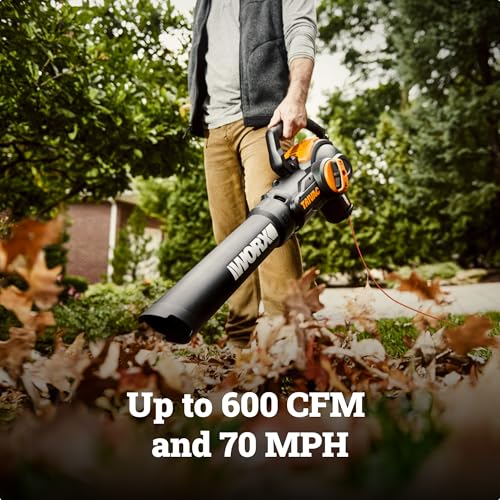
Prioritize usable suction and mulching power, not just blower speed: a cordless blower-vac-mulcher should move dry leaves across hard surfaces, pull loose leaves into the tube without constant hovering, and keep airflow from collapsing as the collection bag fills. Look for clear CFM/air-speed specs, multiple power settings, and realistic claims for dry leaves, pine needles, light debris, and patio cleanup; avoid expecting cordless units to handle wet matted leaves, acorns, gravel, or thick piles like a gas or corded machine. Owner feedback supports this split: buyers often find these tools strong for routine blowing on patios, driveways, walkways, garages, and small-to-medium yards, while the best satisfaction comes when the tool is used for everyday leaves, dust, pine straw, and light debris rather than heavy seasonal leaf removal.
Ease
A leaf blower that’s easy to use saves you time and frustration, especially if you’ll be starting it often, carrying it around the yard, or switching between surfaces. Look for simple controls, reliable starting, comfortable balance, manageable weight, and intuitive speed adjustment; watch out for awkward grips, confusing settings, or designs that feel tiring during longer cleanup sessions.
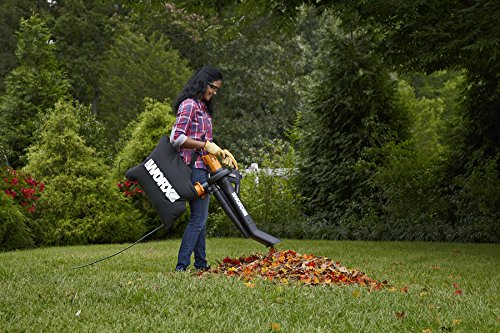
Check how quickly it converts between blower, vacuum, and mulcher modes, because a combo tool that needs fiddly tube changes or awkward bag attachment can erase the convenience of going cordless. For this niche, look for tool-free switching, an easy-empty bag, a shoulder strap that does not block controls, variable speed you can change while moving, and a tube shape that lets you vacuum along edges without bending too much. Owners commonly praise cordless models that are light, simple to assemble, easy to grab for quick jobs, and practical as 3-in-1 cleanup tools, especially when setup is straightforward out of the box.
Battery
Battery life determines how much cleanup you can finish before stopping to recharge, especially if you have a large yard, heavy leaf cover, or need to use higher power settings. Look for a cordless leaf blower with enough runtime for your typical jobs, and remember that turbo modes, wet leaves, and higher airspeed settings can drain the battery much faster than light-duty blowing.
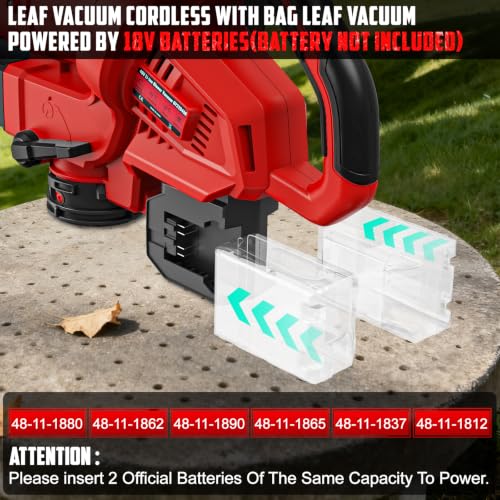
Size the battery system around vacuum/mulch mode, not blower-only use, because suction and high-speed mulching drain packs much faster than light blowing. For real yard cleanup, look for two batteries, higher Ah packs, a charger that can keep up, and compatibility with batteries you already own; be cautious if the claimed runtime is based on low-speed blowing rather than high-speed vacuuming. Owner reports make battery life the biggest watch-out: some users finish small jobs with one or two included batteries, but many report only about 10 to 25 minutes under heavier use, especially on the highest setting.
Build
Build quality matters because a leaf blower is often used in dusty, dirty, and vibration-heavy conditions, so weak plastics, loose seams, or flimsy controls can turn into cracks, rattles, or early failures. Look for a blower that feels solid in the housing, handle, tube connections, trigger, and battery or cord interface, with parts that lock together securely and don’t flex excessively. If it feels creaky, poorly balanced, or cheaply assembled in your hands, it may be less pleasant to use and less likely to hold up over repeated yard work.
For a blower-vac-mulcher, the highest-risk parts are the impeller, intake tube, bag zipper/seams, latch points, and clog-prone transitions, so inspect for a durable impeller, secure tube locks, a well-sealed collection bag, and easy access for clearing jams. A metal impeller is preferable if you will mulch lots of dry leaves, while plastic impellers may be quieter or lighter but are more vulnerable to damage from twigs, stones, or accidental hard debris; avoid units with vague bag construction or no clear jam-clearing method. Owner sentiment backs this: well-built units with effective mulching are appreciated, but mixed reports mention bag issues, stuck leaves, weak suction, inconsistent mulching, and uneven reliability.
Weight
Weight affects how long you can use a leaf blower comfortably, especially if you’re clearing a large yard, working overhead, or carrying it for extended periods. Look for a blower that feels balanced in your hand or on your back, not just light on paper, and watch for designs that shift strain to your wrist, shoulder, or lower back during use.
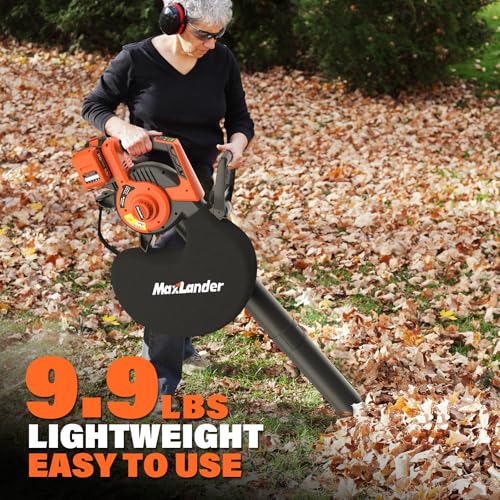
Judge weight with the battery and an increasingly full leaf bag attached, not from the bare-tool number, because vacuum mode shifts the load onto your arms, shoulder, and back. For this category, a shoulder strap, balanced handle placement, compact tube, and manageable bag capacity matter more than the lightest possible blower body; oversized bags can become tiring and awkward once packed with mulched leaves. Owners often like lightweight cordless designs for quick cleanup and reduced fatigue, but the main complaint appears when the full combo setup becomes heavy or awkward during longer yard sessions.
Value
A leaf blower that looks affordable upfront isn’t always the best value if it lacks the power, runtime, durability, or included accessories you need. Look for a model that matches your yard size and cleanup frequency without forcing you to buy extras or upgrade sooner than expected. Owner feedback on “value for money” can help you spot whether a blower feels fairly priced for its performance and long-term reliability.
The best value is a cordless combo that matches your leaf volume: it is usually worth paying for reliable batteries, a durable impeller, a good bag, and smooth mode switching, but not for inflated mulch ratios or power claims that do not translate to vacuum performance. For small yards, patios, porches, driveways, and routine dry-leaf cleanup, a cordless blower-vac-mulcher can replace separate tools; for large properties or heavy wet leaves, value drops if you need repeated charging, frequent unclogging, or a second machine. Owners often see good value when two high-capacity batteries are included and light-to-medium work is handled well, while frustration rises when the all-in-one design feels awkward or performance falls short.
1,000,000+ shoppers use Buyer's Guide every week to find the best products and services online.

Helping millions of users make smarter purchases online.


