









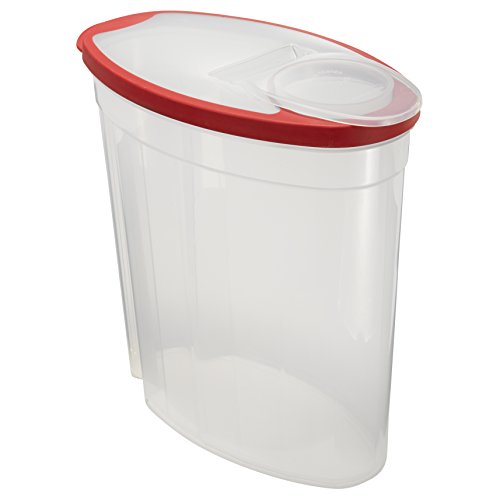


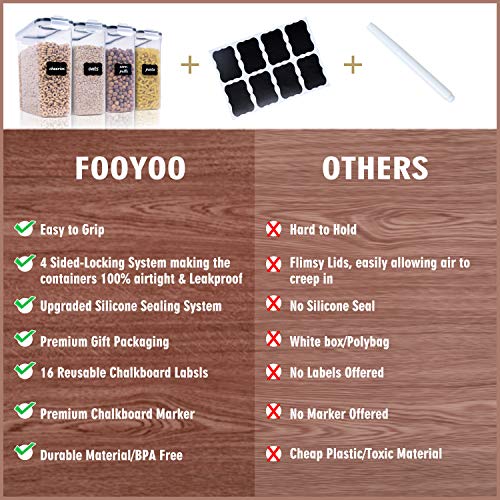


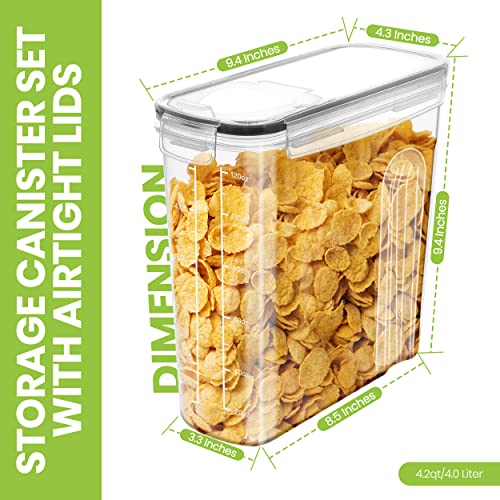


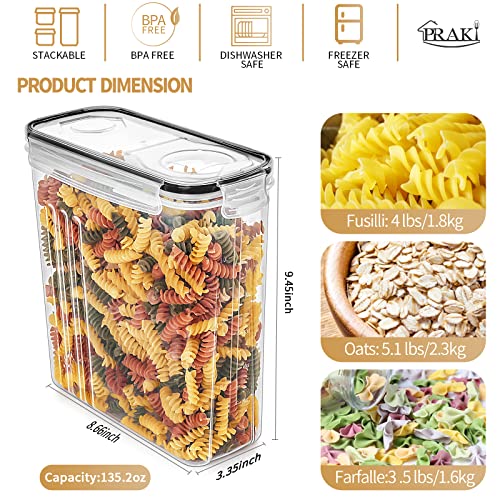



We also considered 10 others:





Our Top Choice
The order above is not editorial opinion, and it is not paid placement. It comes from what shoppers across our network actually do - which containers for cereal they compare, and which they ultimately buy. We re-rank as new data comes in, so the long-term favorites have to keep earning their spot against new entrants. The full method, including how we make money.
Containers for Cereal Buyer's Guide
The best cereal containers balance two competing needs: a tight enough seal to keep cereal crisp and an easy enough pour that the container actually gets used every morning. The sharpest buying concerns are matching real cereal box sizes to your shelf space, and choosing lids and spouts that stay airtight without becoming frustrating to open or close.
Seal Freshness
Cereal goes stale quickly when the container lets in air, even if the lid seems mostly closed. A good cereal container needs both a sealed main lid and a sealed pour opening, because either one can become the weak point during daily use.
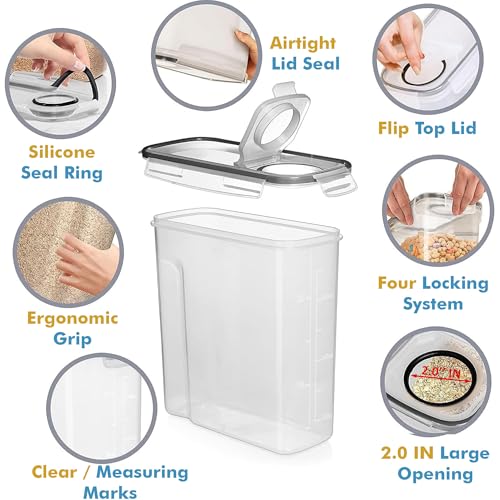
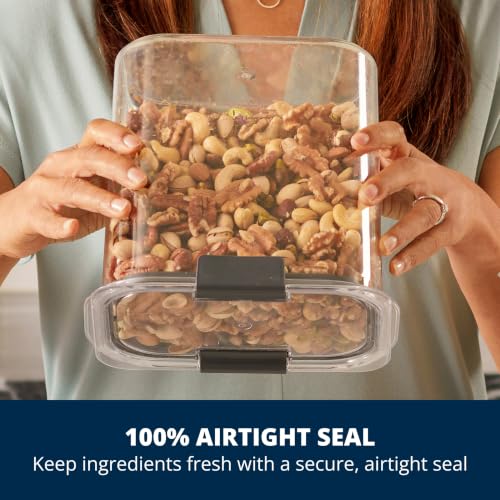
Choose containers with a continuous gasket around the lid, locking tabs that press evenly on all sides, and a dispensing spout that seals shut—not just a loose flip cap. For cereal, the failure mode is gradual staling from tiny lid gaps, crumbs blocking the seal, or a lid that looks closed but is not fully snapped; removable gaskets also help because trapped crumbs can break the seal over time. Owner feedback strongly favors containers with tight, reliable seals that keep cereal and other dry goods fresher longer, though some buyers note that a secure lid can take extra effort to snap closed at first.
Capacity Fit
Cereal containers are only helpful if they match both the cereal package and the pantry space. The right capacity prevents leftover cereal from staying in the original bag, while the right footprint keeps shelves usable instead of crowded.
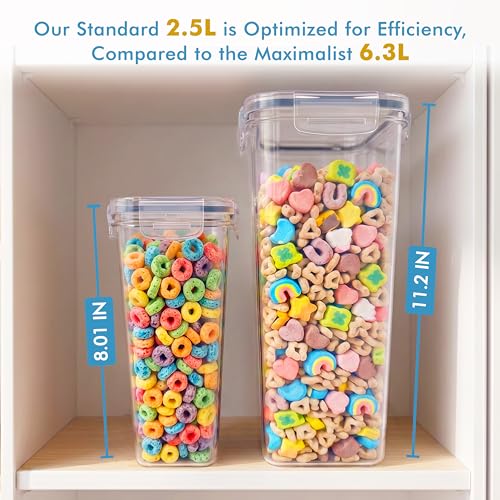
Measure pantry shelf height, depth, and the clearance needed to tip or pull the container forward before choosing a size. A useful cereal container should hold the box size you actually buy—regular, family-size, or jumbo—without forcing you to leave a partial bag behind, but oversized lids and extra-wide bodies can waste shelf space in tight cabinets. Owners often praise containers that look compact yet hold a full regular or family-size box and work for bulk pantry staples, while mixed feedback shows the tradeoff: some large containers help organization, and some wider or smaller formats do not fit every shelf or jumbo cereal box well.
Pour Control
A cereal container is handled frequently, often one-handed and often by children or hurried adults. If the spout is awkward, too narrow, or hard to close, people either spill cereal or stop using the container properly.
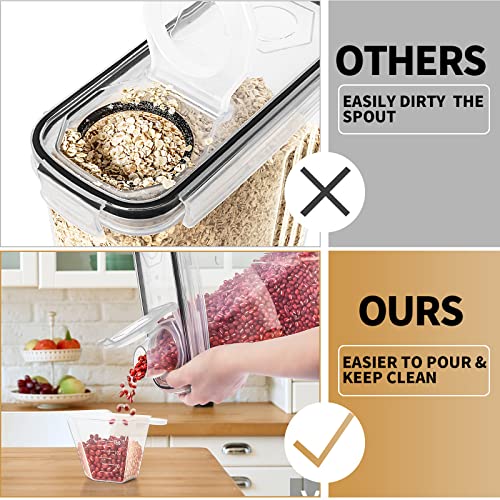
Look for a spout wide enough for flakes, clusters, granola, and larger cereal pieces, with a hinged cap that stays open while pouring and closes flush afterward. The container should be easy to grip when full, should not require removing the whole lid for a bowl of cereal, and should pour in a controlled stream without cereal catching in corners or under the cap. Owner sentiment supports sealed dispensing spouts and simple openings as convenient for daily use, but also flags that lids, nested containers, or catching parts can create small annoyances at first.
Pantry Order
Cereal storage is partly about freshness, but it is also about making a pantry easier to manage. Containers that line up neatly and show remaining contents reduce duplicate purchases, half-empty boxes, and shelf clutter.
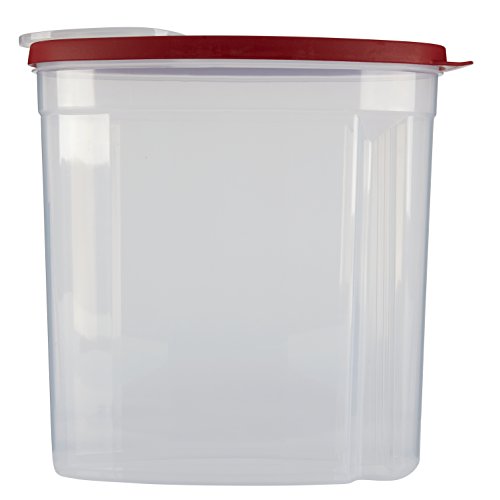
Prioritize clear walls, straight sides, flat tops, and label-friendly surfaces if the goal is replacing bulky cardboard boxes with a repeatable pantry system. Slim rectangular shapes usually waste less space than round canisters, and transparent bodies make it easier to see when cereal is low before opening a new box. Owners value containers that make shelves look cleaner, save space, keep food organized, and show what cereal is left, with positive notes around replacing boxes on counters or fitting neatly into cabinet space.
Durable Build
Cereal containers are opened, poured, refilled, and washed repeatedly, so small weak points become major frustrations. Durable construction matters most at the lid, tabs, spout, and gasket because those parts determine whether the container keeps sealing over time.
Choose thick, food-contact-safe material with sturdy locking tabs, a lid that does not flex excessively, and hinges or spout caps that feel strong enough for repeated opening. For cereal, brittle tabs, warped lids, cloudy plastic, lingering odors, or gaskets that cannot be cleaned can shorten the useful life of the set even if the container looks fine at first. Owner feedback consistently rewards well-made, sturdy containers that feel durable for everyday pantry use across cereal, flour, rice, pasta, and pet food, and some buyers connect that build quality with strong overall value.
1,000,000+ shoppers use Buyer's Guide every week to find the best products and services online.

Helping millions of users make smarter purchases online.


