





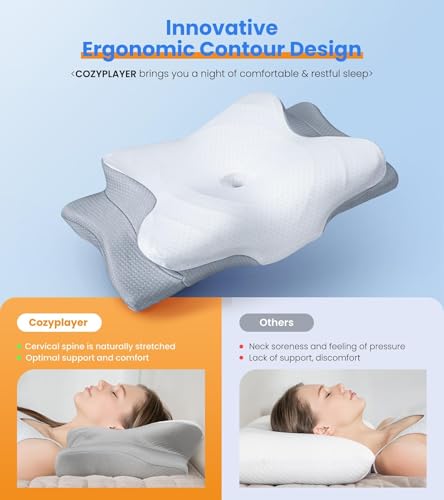







We also considered 10 others:


Our Top Choice
Compare Features


The order above is not editorial opinion, and it is not paid placement. It comes from what shoppers across our network actually do - which comfortable pillows they compare, and which they ultimately buy. We re-rank as new data comes in, so the long-term favorites have to keep earning their spot against new entrants. The full method, including how we make money.
Comfortable Pillows Buyer's Guide
A comfortable pillow has to solve a tension: it should feel soft enough to relax into, but not collapse so far that your neck bends out of alignment. The sharpest checks are loft for your sleep position, whether the fill can be adjusted or stays evenly distributed, and whether the pillow keeps its support after several nights instead of feeling good only out of the package.
Comfort
Comfort matters because your pillow directly affects how relaxed you feel when you settle in and whether you stay asleep without constant shifting. Look for a pillow with the right balance of softness and support for your sleep position, and watch for materials or designs that help with cooling if you tend to overheat. A pillow that feels plush at first but lets your head sink too far, traps heat, or creates pressure points can quickly hurt your sleep quality.
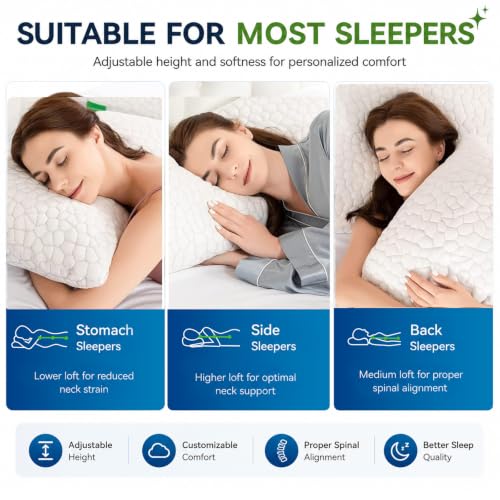
Look first for comfort that matches your sleep position, not just a “plush” description: side sleepers usually need higher loft and firmer edge-to-edge support, back sleepers need medium loft that cradles the neck without pushing the chin forward, and stomach sleepers need a much flatter, softer profile. If you change positions or have recurring neck tension, prioritize a pillow with adjustable fill or removable layers so you can tune height before judging comfort. Owner feedback supports this: shoppers often describe the best-liked pillows as plush, hotel-like, and sleep-improving, while adjustable-fill and removable-layer designs are repeatedly praised because comfort improves once the loft and firmness are dialed in.
Quality
A well-made pillow holds its loft and support over time, so pay attention to the fill material, stitching, cover fabric, and whether it resists clumping, flattening, or losing shape. You’ll also want to check care instructions and washability, since some pillows are easy to freshen while others require spot cleaning or special handling. Watch for strong odors, flimsy seams, uneven fill, or materials that seem likely to break down quickly.
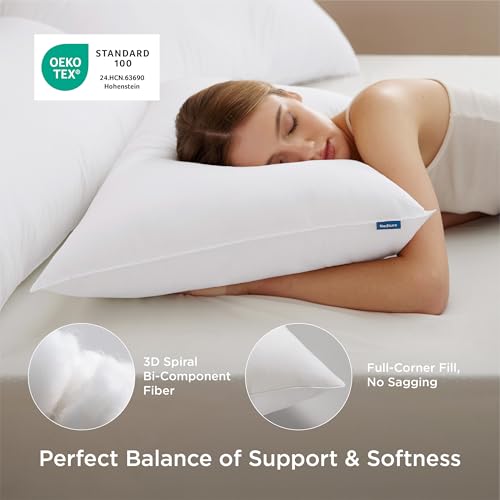
For quality, check whether the pillow is built to resist the common comfort failures: fill clumping, foam that does not fully expand, seams that leak fill, covers that pill, and loft that flattens after a short break-in period. Memory foam should rebound evenly without feeling brittle or flimsy; fiberfill should stay distributed rather than forming hard lumps or empty corners; shredded fill should be contained by a durable inner liner if it is adjustable. Owner sentiment generally backs pillows that feel well made, premium, and better than expected, with some buyers noting quick expansion, sturdy construction, and materials that do not feel cheap.
Feel
How a pillow feels affects whether your head and neck stay supported or sink too far, so consider the balance of softness, firmness, thickness, and loft that matches your sleep position. Watch out for pillows that feel plush at first but flatten quickly, as well as overly firm or high-loft options that can push your neck out of alignment.
Choose the feel by deciding how much sink you can tolerate before your head loses position: soft-and-cushiony works well only if there is enough resilience underneath, while a pillow that feels fluffy at first can become uncomfortable if it turns mushy or packs down. If you dislike a hard block of foam, look for shredded foam, blended fills, or layered designs that give surface softness with internal support; if you dislike shifting fill, avoid overly loose or underfilled pillows. Owner reports favor pillows that feel soft, plush, fluffy, or hotel-like while still avoiding a mushy, unsupportive sensation.
Support
Support matters because the right pillow helps keep your head, neck, and spine aligned, which can reduce strain and help prevent waking up with neck pain or other soreness. Look for a pillow that matches your sleep position and body needs, offering targeted support where you need it without forcing your neck too high, letting it sink too low, or creating pressure points. If you need extra relief for pregnancy, recovery, or leg support, consider whether the pillow holds its shape well and supports the area consistently through the night.
For support, measure the pillow by alignment: when lying in your normal position, your nose, chin, neck, and upper spine should stay neutral rather than tilting up, down, or sideways. Side sleepers should check shoulder gap coverage; back sleepers should avoid overly tall pillows that force the head forward; stomach sleepers should avoid thick supportive pillows that twist the neck. Adjustable loft, removable layers, and fill that holds shape are especially important if you are buying for neck, shoulder, or upper-back discomfort. Owner feedback strongly connects supportive designs with better sleep, less stiffness, and fewer neck, back, or shoulder aches, especially when users can set the height correctly.
Value
A pillow’s value comes down to how well it supports your sleep needs for the price, not just whether it is cheap or expensive. Look for durable materials, consistent comfort, and features you will actually use, and be cautious of paying more for extras that do not improve your sleep or of saving money on a pillow that quickly loses shape.
Judge value by usable comfort over time, not by getting the puffiest pillow or the biggest set: a good-value pillow is one you can actually sleep on after the break-in period and, ideally, tune for different sleepers or rooms. Multi-packs can be worthwhile for guest rooms, rentals, or replacing several worn pillows, but only if each pillow has enough loft, fill stability, and cover quality to avoid becoming disposable. Owner sentiment supports strong value where pillows deliver everyday comfort, a hotel-like feel, cooling benefits for hot sleepers, or adjustable/extra fill that makes them usable for more than one preference.
Adjustability
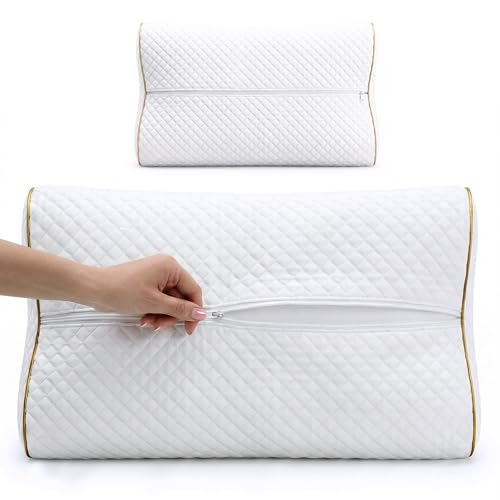
Adjustability matters because the right pillow height and firmness depend on your sleep position, body size, mattress feel, and personal comfort. Look for pillows that let you add, remove, or redistribute fill so you can fine-tune support for your neck and shoulders, and watch out for designs that are technically adjustable but messy, difficult to reclose, or prone to uneven fill clumping.
Prioritize adjustability if you are unsure of your ideal loft, share a bed with someone who needs a different pillow height, or rotate between side, back, and stomach sleeping. Look for a design that lets you remove and store fill cleanly, add fill back later, and adjust both height and firmness—not just compress the pillow by force. Be cautious with overstuffed pillows if you do not want to spend time removing a lot of fill, and confirm that the pillow still feels even after adjustment. Owner feedback consistently highlights adjustable fill, removable layers, and extra filling as major advantages because sleepers can customize loft and firmness, though firmness remains personal and some people need to reduce overstuffed pillows substantially.
1,000,000+ shoppers use Buyer's Guide every week to find the best products and services online.

Helping millions of users make smarter purchases online.


