




We also considered 10 others:


Our Top Choice
Compare Features


The order above is not editorial opinion, and it is not paid placement. It comes from what shoppers across our network actually do - which colostrum supplements they compare, and which they ultimately buy. We re-rank as new data comes in, so the long-term favorites have to keep earning their spot against new entrants. The full method, including how we make money.
Colostrum Supplements Buyer's Guide
Colostrum supplements live on a sharper tradeoff than many wellness powders: you want a biologically active dairy-derived ingredient that is clean and concentrated, but also easy enough to take every day. The biggest buying risks are weak sourcing or processing, an impractical serving format, and assuming broad wellness claims will translate to your specific digestive, immune, or recovery goal.
Clean Sourcing
Colostrum is an animal-derived supplement, so sourcing, handling, and processing matter more than they do for many simple vitamins. Cleaner formulas and gentler processing are more likely to preserve the components shoppers are seeking while reducing unnecessary excipients.
Look for bovine colostrum with clear sourcing details, preferably grass-fed where that matters to you, and avoid formulas padded with sweeteners, gums, artificial flavors, or vague proprietary blends. For powders, shoppers often prefer signs of less aggressive processing such as natural color, full-fat options, or first-milking positioning, but these should be paired with transparent labeling and quality controls rather than marketing language alone. Owner feedback strongly favors clean, high-quality ingredient lists, including grass-fed bovine colostrum with no fillers or unnecessary additives. Buyers also repeatedly describe high-quality powders and capsules as easier to trust when the formula feels consistent, clean tasting, less processed, and suitable for a daily wellness routine.
Targeted Benefits
Most people buy colostrum for a specific outcome, not just as a general protein powder. Matching the product form and serving size to the goal helps avoid overvaluing vague wellness claims while still leaving room for gradual, whole-body effects.
Start by deciding whether your main goal is gut comfort, immune resilience, training recovery, skin support, or general nourishment, then judge the supplement by consistency of use and response over several weeks. For digestive goals, prioritize a simple formula without added fibers, sugar alcohols, or flavor systems that could themselves cause bloating; for immune or recovery goals, check that the serving size is realistic enough to take daily. Owner sentiment is strongest around gut support: buyers report smoother digestion, less bloating, better regularity, stomach settling, and use for general GI comfort. Broader feedback also supports immune support, inflammation-related wellness, energy, post-workout recovery, and visible skin, hair, and nail improvements, but those benefits appear more individual and depend on consistent use.
Dose Clarity
Colostrum products can look similar while delivering very different amounts per serving. Dose clarity matters because under-dosed capsules or tiny powder servings may feel convenient but may not match the buyer’s intended use.
Compare the actual colostrum amount per serving, servings per container, and whether the label discloses meaningful markers such as immunoglobulin content or standardization. Powders often make it easier to reach gram-level servings, while capsules can be simpler but may require multiple capsules for comparable intake; avoid judging value by container size alone. Owners often say results make a supplement feel worthwhile, but value is a real tradeoff when serving count is low or the product is expensive to use regularly. Positive feedback notes properly filled capsules and benefits that justify the purchase for some buyers, while mixed feedback shows others hesitate when the bag feels small or ongoing dosing is hard to justify.
Daily Format
A colostrum supplement only helps if the format fits the way someone actually takes supplements. Powders offer flexible dosing and drink mixing, while capsules remove taste and texture concerns but can limit serving size.
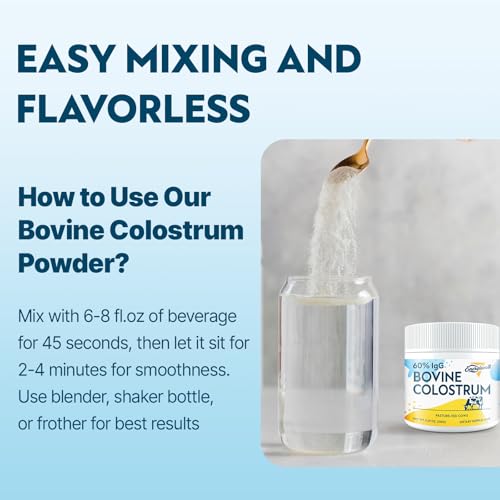
Choose powder if you want adjustable gram-level servings in coffee, smoothies, shakes, milk, or water; choose capsules if you dislike dairy flavor, dislike mixing, or need a travel-friendly routine. For powders, expect better results with a shaker, blender, or frother, and be cautious if you plan to stir into plain cold water with only a spoon because clumping is a common failure mode. Many owners praise powders that mix easily into coffee, smoothies, shakes, milk, or water without much grit or fuss. At the same time, clumping and split blendability are the main preparation complaints, with some buyers needing cold drinks, a frother, or smoothie-style mixing to avoid undissolved powder.
Taste & Tolerance
Colostrum naturally has a dairy-derived taste and may not feel neutral to every palate. Tolerance also matters because a supplement bought for gut support should not introduce new discomfort through flavoring, lactose sensitivity, or serving size.
If you are sensitive to dairy flavors, choose a mild unflavored option for blending or consider capsules to avoid taste entirely. Avoid heavily flavored formulas if your stomach is reactive, and start with a smaller serving to assess tolerance, especially if you are lactose-sensitive or prone to bloating. Owner feedback generally favors mild, neutral, creamy, or pleasant taste profiles that are easy to use daily, especially when blended into coffee or smoothies. However, taste is genuinely split for some shoppers: a natural dairy note and texture can be acceptable to one person while another notices aftertaste or needs a better mixing method.
Health Fit
Colostrum is not a generic wellness powder; it comes from milk and is often used by people managing gut or immune concerns. Checking personal compatibility before routine use is important because the very reasons people seek it out can overlap with medical conditions or sensitivities.
Avoid colostrum if you have a true dairy allergy unless a clinician specifically clears it, and be cautious with lactose sensitivity, pregnancy, nursing, immune conditions, or medications that affect immune function. Check labels for allergen statements, third-party testing, and added ingredients that could conflict with your diet, training plan, or digestive restrictions. Owner sentiment supports colostrum as part of wellness routines for immune support, gut health, recovery, energy, and nourishment, but those reports do not replace fit and safety checks. The most useful buyer approach is to choose a clean formula, start conservatively, and track digestion, skin, energy, and any unwanted reactions over time.
1,000,000+ shoppers use Buyer's Guide every week to find the best products and services online.

Helping millions of users make smarter purchases online.