











We also considered 10 others:


Our Top Choice
The order above is not editorial opinion, and it is not paid placement. It comes from what shoppers across our network actually do - which co detectors they compare, and which they ultimately buy. We re-rank as new data comes in, so the long-term favorites have to keep earning their spot against new entrants. The full method, including how we make money.
CO Detectors Buyer's Guide
CO detectors are a low-maintenance purchase until placement, power source, or sensor age creates a dangerous blind spot. The key tradeoff is convenience versus coverage: the right unit must match your actual CO sources, keep working during outages, and be replaced before its sensor expires.
Reliability
A smoke detector’s reliability matters because you need it to work every time, often after sitting quietly for long periods. Look for signs of solid quality and dependable functionality, such as consistent self-tests, clear alerts for low battery or faults, and a housing that feels durable rather than flimsy. Watch out for reports of nuisance alarms, premature failures, or sensors that become inconsistent over time.
Prioritize a listed CO alarm with a clear manufacture date, sealed or well-supported battery system, end-of-life warning, and a rated service life you can track; CO sensors expire even if the test button still sounds, so avoid old stock, vague replacement dates, or units without a distinct replacement chirp. For homes with attached garages, fuel-burning furnaces, fireplaces, generators nearby, or travel use, consider whether you need multiple alarms, a portable battery model, or an alarm that also detects combustible gas. Owner feedback supports these priorities: buyers repeatedly describe dependable alarms as trusted safety devices, value loud alerts and visible CO readings during real issues, replace older units with similar models, and appreciate roughly 10-year service life reminders and outage-capable battery operation.
Safety
A smoke detector’s safety value comes down to whether you can trust it to warn you early and reliably when there’s danger. Look for dependable sensing performance, clear loud alerts, backup power, and features that reduce nuisance alarms without making you ignore real ones. Also consider whether you need interconnected units so an alarm in one area can alert you throughout the home.
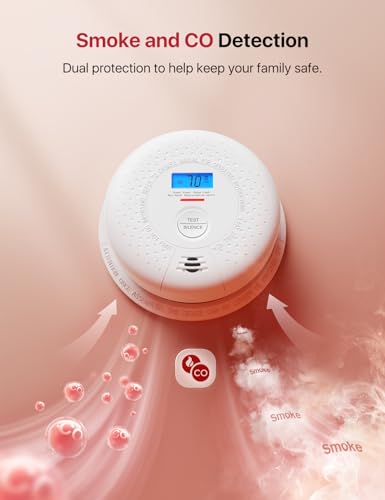
Choose coverage based on the actual hazard: standard CO alarms are for carbon monoxide, not smoke, methane, propane, or natural gas unless the unit explicitly includes those sensors; if you use gas appliances or propane, a combination CO/explosive-gas alarm can be useful, but it still must be placed according to each sensor’s instructions. Look for a loud alarm, recognized safety certification, digital current or peak CO readout if you want to monitor low-level trends, and enough units for sleeping areas and each level of the home. Owners reinforce the safety value of these features, citing peace of mind from reliable alerts, clear CO displays, peak/current level tracking, combined CO and gas monitoring, and portable battery-powered protection for hotels, road trips, and outages.
Value
You want a smoke detector that feels worth the money because its job is too important to judge on price alone. Look for dependable detection, clear alerts, useful safety features, and easy maintenance, and be wary of cheap units that save money upfront but lack reliability, battery life, or the right sensor coverage for your home.
The best value is usually enough properly placed, unexpired alarms rather than one feature-heavy unit in the wrong location; calculate value by coverage per floor/bedroom area, sensor lifespan, included batteries or mounting hardware, interconnect capability, and whether a display or gas sensor matches your actual risks. Multi-packs can be worthwhile for whole-home coverage, while interconnected alarms add safety because a basement or garage-adjacent alarm can wake people upstairs. Owner sentiment aligns with this: buyers view these devices as inexpensive relative to the protection provided, like compact multi-unit sets with long-life batteries, value combined CO/gas monitoring and displays, and appreciate interconnected designs that trigger alarms across the home.
Battery
Battery life matters because a smoke detector only protects you if it has reliable power and alerts you when the battery needs attention. Look for units with long-lasting sealed batteries or easy-to-replace batteries, and consider how often you’re willing to test, maintain, and replace them. Watch out for models with weak low-battery alerts or batteries that are inconvenient to access, especially for high ceilings or hard-to-reach locations.
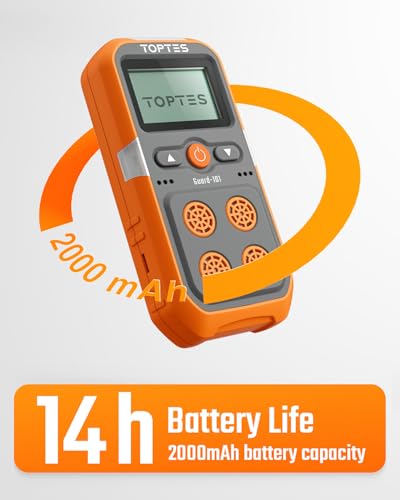
Match the power source to the failure mode you are trying to avoid: plug-in alarms should have battery backup for outages, battery-only alarms need easy-to-source cells or sealed long-life batteries, and travel or rental use benefits from compact AA/9V-powered models that do not depend on an outlet. Check whether the battery powers the whole alarm or only backs up a plug-in unit, how low-battery and end-of-life chirps differ, and whether the battery door can be closed without a battery installed. Owners praise long battery life, AA portability, 9V backup during outages, and replacement chirps, but feedback also shows battery expectations can cause disappointment when buyers expected plug-in operation or face battery-longevity questions over time.
Installation
You want a smoke detector that fits your home’s existing setup, whether that means a simple battery-powered mount or a hardwired replacement that matches your wiring and mounting bracket. Check the detector’s size, mounting hardware, and power requirements before buying, and watch for models that may need adapter plates, rewiring, or professional installation. Easy installation matters because a detector that is simple to set up correctly is more likely to be installed promptly and positioned where it can protect you.
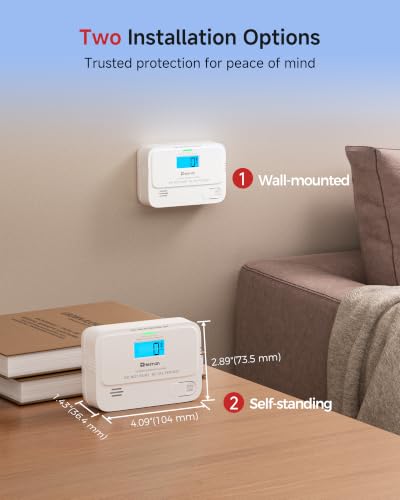
Installability is not just convenience: CO alarms must be placed where they can protect sleepers and avoid false or delayed readings, so follow spacing instructions for bedrooms, fuel-burning appliances, bathrooms, vents, windows, and attached garages. Before buying, confirm whether the model is wall-mount, tabletop, outlet-mounted, magnetic, or hardwired, and make sure outlet-mounted units will not be blocked by furniture or placed too low/high contrary to the manual. Owners commonly report simple setup with plug-in, battery, shelf, counter, wall, screw, or magnetic mounting options, and they appreciate clear directions, test functions, indicator lights, and compact designs that make correct placement easier.
Usability
Usability matters because you need to understand and manage your smoke detector quickly, especially during alarms, low-battery warnings, or routine testing. Look for clear status lights or readable displays, simple test and silence controls, and alerts you can easily distinguish; avoid designs with confusing buttons, hard-to-see indicators, or instructions that make basic maintenance feel like a chore.
For daily confidence, choose controls and signals you can actually interpret: separate alarm, low-battery, fault, and end-of-life indicators are important, and a digital display or peak-level memory is useful if you want more than a single emergency tone. Make sure the test/silence button is reachable, the alarm is loud enough from bedrooms, and the display is readable in the intended location; for professional, crawlspace, or confined-area checks, verify the device is meant for portable gas testing rather than only stationary home alarming. Owner feedback supports simple, understandable operation: buyers like plug-in readiness, clear instructions, indicator lights and beeps, easy testing, flexible placement, and CO level displays that let them confirm readings instead of relying only on an alarm sound.
1,000,000+ shoppers use Buyer's Guide every week to find the best products and services online.

Helping millions of users make smarter purchases online.


