













We also considered 6 others:


Our Top Choice
Compare Features


The order above is not editorial opinion, and it is not paid placement. It comes from what shoppers across our network actually do - which cheapest 85-inch tvs they compare, and which they ultimately buy. We re-rank as new data comes in, so the long-term favorites have to keep earning their spot against new entrants. The full method, including how we make money.
Cheapest 85-Inch TVs Buyer's Guide
At 85 inches, the bargain is only good if the screen is bright, uniform, and reliable enough that flaws do not become obvious at living-room scale. The biggest niche checks are panel quality, room fit, mounting safety, and whether the TV’s processor and ports can keep up with streaming, gaming, and daily use.
Quality
You want a smart TV that feels well built, runs consistently, and keeps delivering stable performance after the novelty wears off. Look for signs of solid construction, dependable software behavior, sturdy ports and stand hardware, and owner feedback about long-term reliability; watch out for reports of freezing, random restarts, loose panels, weak stands, or performance that degrades with regular use.
For a cheapest 85-inch TV, prioritize panel uniformity, sturdy construction, and return-window protection: a small amount of dirty-screen effect, edge light bleed, banding, or corner dimming can look huge on an 85-inch screen, and shipping damage is more likely with a box this large. Look for strong brightness, good local dimming, reliable HDMI and wireless connectivity, and a mount or stand rated well above the TV’s weight; owner feedback supports this focus, with many praising crisp 4K images, deep blacks, vivid color, and high-contrast Mini-LED/QLED-style performance, while reliability and connection convenience are more mixed.
Features
Smart features determine how easily you can find, stream, and control the content you actually watch, so look for a clear interface, broad app support, reliable voice or remote controls, and smooth casting or device integration. Also watch for sluggish menus, missing services, limited update support, or features that sound impressive but do not improve everyday use.
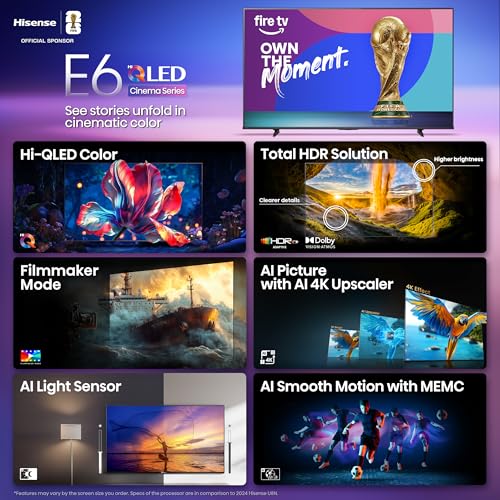
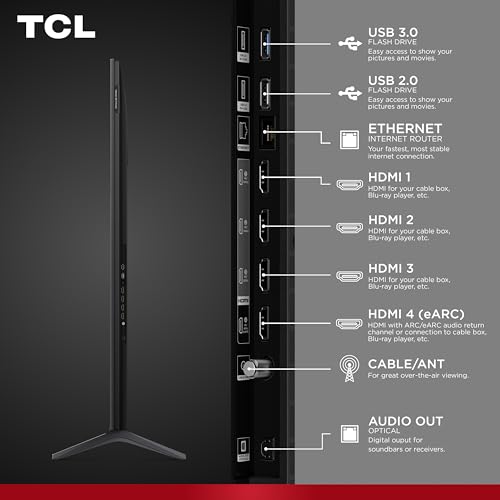
For this niche, do not be distracted by smart-TV extras until you verify the essentials: true 4K support, enough HDMI ports for your devices, eARC for a soundbar, low input lag or 120 Hz support if gaming matters, and a smart platform that will not feel sluggish on a large main-room TV. Owners often like built-in voice control, organized app layouts, smooth streaming setup, useful ports, and mobile-stand features such as shelves, cable straps, and locking wheels, but some also report lag, delayed inputs, app issues, and occasional random reboots, so responsiveness should be tested early.
Design
A smart TV’s design affects how comfortably it fits your room, not just how it looks. Pay attention to the screen size, bezel thickness, stand width, depth, and wall-mount compatibility so you don’t end up with a set that overwhelms the space or won’t fit your furniture. Also consider viewing distance and room layout, since the biggest screen is not always the best choice for comfort.
With an 85-inch budget TV, design is mostly about whether it physically works in your room: check stand-foot width against your furniture, VESA pattern compatibility, wall-stud spacing, screen height, viewing distance, glare from windows, and whether the bezel and depth will look acceptable at this size. Owners tend to appreciate a clean wall-mounted look, practical cable management, and layouts that work in bedrooms, patios, decks, and gaming spaces, but shoppers should still confirm stability and anti-tip safety before relying on a tabletop or rolling setup.
Picture
Picture quality determines how clear, natural, and immersive everything looks, from dark movie scenes to bright sports broadcasts. You should look for a TV with accurate color, strong contrast, enough brightness for your room, and good motion handling, while watching out for sets that look vivid in a showroom but make skin tones, shadows, or fast action appear unnatural.
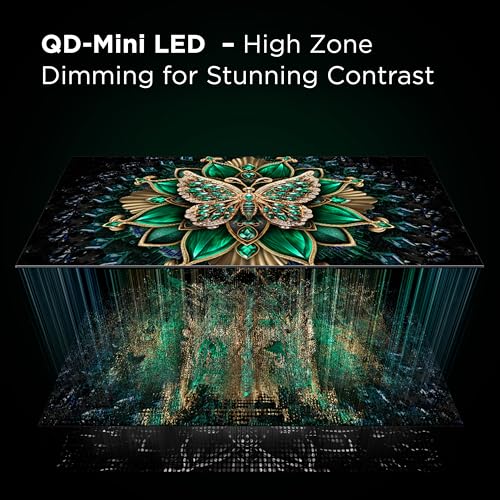
At 85 inches, picture flaws are magnified, so look for high real-world brightness, effective glare handling, full-array or Mini-LED local dimming if available, solid black levels without excessive blooming, good upscaling for cable and sports, and color controls that let you tame oversaturation. Owner sentiment strongly supports choosing models with bright, high-contrast 4K panels: buyers praise sharp detail, rich color, deep blacks, strong clarity, and daytime visibility, with many feeling large Mini-LED/QLED-style screens can deliver premium-looking movies and gaming without stepping up to top-tier display types.
Setup
Setup matters because a smart TV can be large, fragile, and awkward to position, especially if you plan to wall-mount it or connect multiple devices. Look for clear instructions, stable stand assembly, accessible ports, straightforward Wi-Fi and account sign-in, and a guided on-screen setup that helps you tune channels and configure picture, sound, and apps without guesswork. Watch out for TVs that require extra tools, uncommon mounting hardware, or two-person lifting beyond what your space and setup plan can handle.
Plan setup before buying: an 85-inch TV usually needs scheduled delivery, two or more people to unbox, a clear path through doors and stairs, a wide assembly area, and immediate panel testing for cracks, dead pixels, banding, and backlight defects while returns are still practical. Owners commonly find setup straightforward once the TV is in place, and many appreciate simple smart-TV onboarding, voice-assistant integration, and easy stand assembly, but the size and weight make mount rating, stud anchoring, VESA fit, and cable routing more important than on smaller TVs.
Value
You want a smart TV that delivers strong picture quality, smooth performance, and useful streaming features without making you pay for extras you won’t use. Look for a balanced mix of display quality, app support, connectivity, and reliability at your budget level, and watch out for models that seem inexpensive but cut corners on brightness, processing speed, or long-term software support.
The best value in cheapest 85-inch TVs is not simply the largest screen for the least money; it is the model that avoids deal-breaking compromises in brightness, uniformity, motion handling, gaming ports, app speed, warranty coverage, and safe installation. Owners frequently describe large Mini-LED/QLED-style sets, thoughtful stands, clean remotes, useful cable management, and easy setup as feeling high-end for the money, but the smarter buy is the one that still performs well after you factor in delivery risk, mounting hardware, soundbar needs, and potential reliability issues.
1,000,000+ shoppers use Buyer's Guide every week to find the best products and services online.

Helping millions of users make smarter purchases online.


