









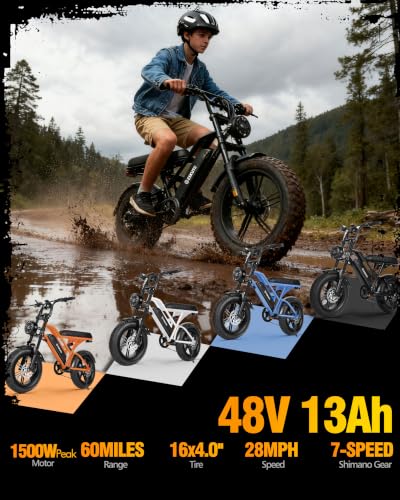


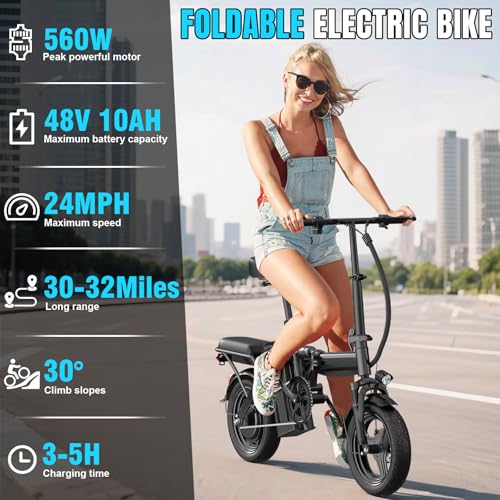
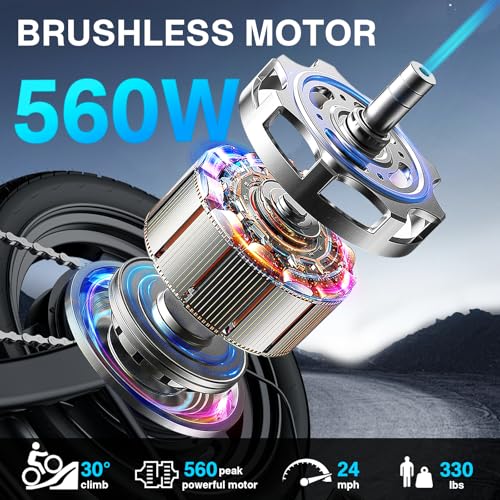


We also considered 10 others:


Our Top Choice
Compare Features


The order above is not editorial opinion, and it is not paid placement. It comes from what shoppers across our network actually do - which cheap electric bikes they compare, and which they ultimately buy. We re-rank as new data comes in, so the long-term favorites have to keep earning their spot against new entrants. The full method, including how we make money.
Cheap Electric Bikes Buyer's Guide
Low-cost e-bikes can be excellent short-hop commuters, but the real tradeoff is not just speed versus cost; it is component durability, battery safety, braking control, and serviceability. A careful shopper should treat the motor and range claims as secondary until the frame, brakes, battery pack, charger, and replacement-part path look trustworthy.
Build
Build quality matters because an electric bicycle has to handle extra motor weight, higher speeds, road vibration, and frequent braking without feeling loose or fragile. Look for a sturdy frame, clean welds, well-fitted components, reliable brakes and drivetrain parts, and hardware that stays tight over time. Be cautious of bikes that arrive with misaligned parts, rattles, weak accessories, or vague component details, since those can signal durability and reliability issues.
For a cheap electric bike, prioritize the safety-critical structure first: look for a straight frame, clean welds, a clearly stated rider/load limit, secure battery mounting, nameable brake type, and tires/wheels appropriate for the bike’s weight and speed. Be cautious of very high advertised speed or payload claims paired with vague brake, fork, wheel, or frame details; those are common places where low-cost e-bikes can feel fine at first but loosen, rattle, or wear quickly. Owner sentiment is encouraging here: many buyers describe budget models as sturdier, heavier-duty, and better finished than expected, with several saying the bikes feel safe, practical, and like strong value once assembled.
Assembly
Assembly matters because even a mostly prebuilt electric bike can require careful setup of parts like the handlebar, front wheel, pedals, brakes, display, and battery, and mistakes can affect safety and ride quality. Look for clear instructions, labeled hardware, included tools, and straightforward adjustment steps, and watch out for vague manuals or setup that requires specialized tools or brake and drivetrain tuning you are not comfortable doing yourself.
Do not judge assembly only by whether the bike is “mostly assembled”; check whether you will need to torque the handlebar/stem, install pedals correctly, align the front wheel, tune disc brakes, adjust the derailleur, seat the battery firmly, and inspect motor and display connectors. For this niche, it is wise to plan for a post-assembly safety check, especially because a loose stem, rubbing brake rotor, misadjusted throttle, or poorly seated battery can turn a bargain e-bike into a hazard. Owner feedback supports that setup is often manageable: buyers frequently report straightforward assembly, good packaging, mostly assembled delivery, simple handlebar/seat/pedal installation, and removable batteries that make charging easier.
Value
Value matters because an electric bicycle can feel like a great buy only if its performance, comfort, range, and durability match what you paid. Look for signs that owners feel they got strong value for money, but watch for complaints about weak components, limited real-world range, or costly repairs that make a low upfront price less appealing.
Measure value by total usable ownership, not just the lowest upfront cost or the biggest motor number. The better budget buy is the one with serviceable brakes, standard tire sizes, available battery/charger replacements, clear warranty and return terms, enough real-world range for your route, and components that a local shop can reasonably adjust. Owner sentiment aligns with this: buyers often feel these bikes deliver more than expected for the money, citing solid quality, useful design, compact folding convenience on some models, easy setup, and everyday commuter practicality.
Ride
How an electric bicycle rides determines whether you feel comfortable and in control once the motor, weight, and speed come into play. Look for a stable frame, predictable handling, tires that suit your surfaces, and a riding position that fits your body; watch out for bikes that feel twitchy, harsh over bumps, or awkward to steer at low speeds or when carrying cargo.
Choose the ride setup around your actual route: narrower city tires and a commuter frame are easier to pedal and store, while fat tires and suspension can smooth rough pavement, gravel, and trails but add weight and slower handling. On cheap e-bikes, pay close attention to brake feel, steering stability, saddle comfort, and weight distribution from the battery; a bike that accelerates quickly but feels twitchy, top-heavy, or hard to stop is the wrong compromise. Owner reports are broadly positive, with many describing rides as smooth, stable, sturdy, comfortable over uneven roads, fun for commuting, and capable for casual trails or local trips.
Battery
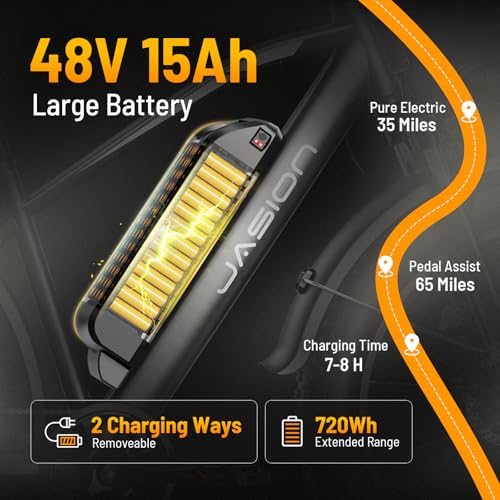
Battery life determines how far you can realistically ride before needing to recharge, so it should match your commute, errands, or recreational routes with some buffer for hills, wind, cargo, and higher assist levels. Look for clear range estimates, charging time, and whether the battery is removable, and be wary of optimistic range claims that may only apply under ideal conditions.
Treat the battery as the highest-risk and highest-cost component: look for a removable, securely locking pack; a matched charger; clear voltage/amp-hour or watt-hour specs; water-resistance details; and credible safety certification where available. Avoid vague range claims without knowing assist level, rider weight, terrain, temperature, and throttle use, and be wary if owners mention rattling packs, charging trouble, or fast degradation because replacement batteries can be difficult or expensive to source. Owner sentiment is mixed in exactly this area: many riders get dependable commuting range and convenient indoor charging, but others report faster drain after a few months, inconsistent charge holding, charging problems, fit/rattle issues, or merely average long-term battery durability.
Performance
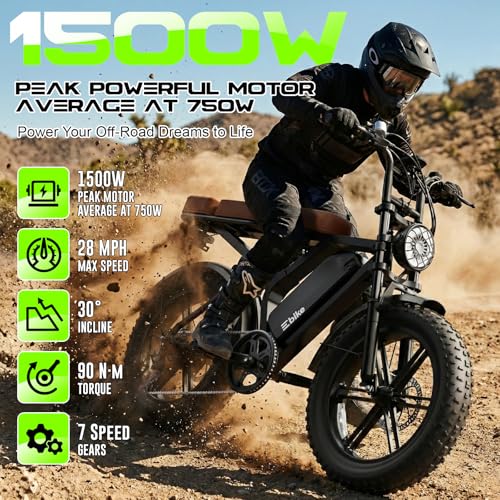
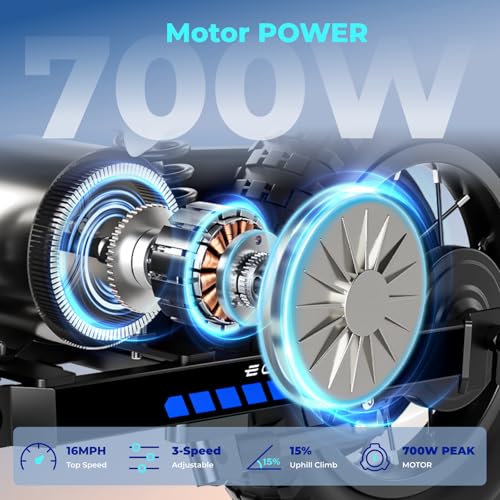
Performance affects how confidently your e-bike accelerates, climbs hills, keeps up with traffic, and carries you or cargo without feeling strained. Look for a motor and battery system that match your riding needs, but remember that higher power can mean faster battery drain, more weight, and legal speed limits depending on where you ride.
Match performance to hills, rider weight, and legal use rather than chasing top speed. For commuting, look for smooth pedal assist levels, enough low-speed torque for starts and mild hills, gearing that still works if the battery dies, and brakes strong enough for the bike’s assisted speed; if a cheap e-bike feels very fast, controlled stopping matters as much as acceleration. Owner feedback suggests many budget e-bikes feel quick and useful, with riders praising fast flat-road riding, decent hill help, strong starts, smooth power, and enough speed for commuting or neighborhood trips, though some note the power can be strong enough to require extra braking caution.
1,000,000+ shoppers use Buyer's Guide every week to find the best products and services online.

Helping millions of users make smarter purchases online.


