








We also considered 10 others:


Our Top Choice
The order above is not editorial opinion, and it is not paid placement. It comes from what shoppers across our network actually do - which car polishes they compare, and which they ultimately buy. We re-rank as new data comes in, so the long-term favorites have to keep earning their spot against new entrants. The full method, including how we make money.
Car Polishes Buyer's Guide
Car polish buying is really a match between the paint defect and the amount of clear coat you are willing to work: the right product can sharpen gloss and hide light swirls, while the wrong one can waste effort on damage that needs compounding, touch-up paint, or refinishing. The sharpest concerns are defect depth, clear-coat safety, and wipe-off timing, because car polishes can look easy until residue dries hard or expectations exceed what a polish can correct.
Defect Match
Car polishes vary from mild finishing products to more corrective formulas, and using the wrong level can either underperform or remove more clear coat than needed. A careful buyer should judge whether the defect is in the surface, the clear coat, or through the paint before choosing a product.
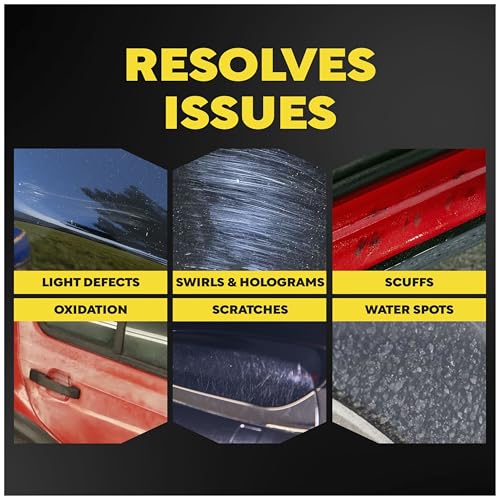
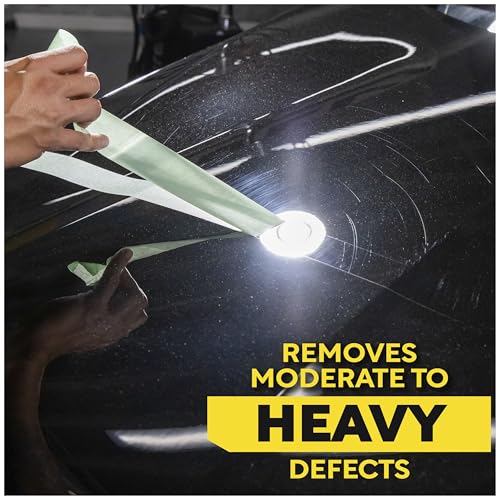
Choose a polish by the defect you can actually feel and see: light wash swirls, haze, water-spot etching, and shallow scuffs are realistic targets, while scratches that catch a fingernail, expose primer, spread across a large area, or sit in failed clear coat usually need compound, touch-up paint, or professional repair. For daily-driver clear coat, look for language around fine finishing polish, swirl removal, or light scratch correction; avoid expecting a finishing polish or glossy spray to rebuild missing paint or reverse sun fade. Owner feedback strongly supports this split: many report light to moderate scratches becoming invisible or much harder to see, and refreshed paint with removed swirls, but results are mixed when scratches are deeper, wider, sun-faded, or true paint damage.
Finish Quality
A good car polish should improve optical clarity, not just leave the surface temporarily oily. Gloss matters most on dark paint and well-prepped vehicles, where leftover haze, streaking, or uncorrected swirls are easy to see in sunlight.
For a car polish, gloss is not just “shine”; it is clarity after haze, micro-marring, and oxidation are reduced, so look for a product that leaves a clean, wet-looking finish without fillers smearing unevenly or masking defects only briefly. If the vehicle is dark-colored, soft-painted, or already well maintained, favor a fine finishing polish that refines rather than cuts aggressively; if the paint is chalky or heavily oxidized, a polish alone may not restore depth. Owners repeatedly praise strong finish quality, deep glossy shine, slick glass-like looks from coating-style products, and paint that appears close to new again after polishing, especially when the defects are minor.
Easy Buffing
Ease of use affects both results and paint safety because overworking, dry buffing, or fighting hardened residue can create new haze or towel marks. The best choice for a DIY buyer is one that matches their tools, time, and working conditions.
Prioritize workability: a good DIY polish should spread thinly, stay workable long enough to level, and buff off cleanly before residue hardens. Check whether it is suitable for hand use, dual-action machine use, or both; small scuffs can be handled by hand with a soft applicator, but full-panel swirl correction is usually more consistent with a machine and clean pads. Owner reports back this up: application is often described as straightforward, effective with a small amount and modest effort, manageable with an included pad for touch-ups, and easy to buff when the car is clean and a soft rag is ready; however, wipe-off can become stubborn if the product is allowed to dry too long.
Protection Claims
Many shoppers confuse correction with protection, but a polished surface still needs a protective layer if long-term water behavior and contamination resistance matter. Understanding the product type prevents disappointment when a glossy result does not also deliver lasting beading.
Decide whether you are buying a true polish, an all-in-one, a wax-like finishing product, or a ceramic-style spray, because polishing and protection are different jobs. A polish may improve clarity but leave little durable protection unless it includes sealant or is followed by wax, sealant, or coating; a spray that boosts slickness and beading may not correct defects like an abrasive polish. Owner sentiment is divided here: some buyers say the car stays freshly coated for weeks and looks glossier, while others feel the water behavior is not noticeably better than regular wax, so do not judge a polish only by beading claims.
Paint Safety
Polishing removes or alters the top surface microscopically, so compatibility matters more than it does with a simple wash product. The safest pick is one that states its intended finish and gives clear instructions for hand or machine use.
Match the formula to the paint system before applying it broadly: most modern glossy automotive finishes use clear coat, but matte paint, wraps, fresh repaint, heavily oxidized single-stage paint, and existing ceramic coatings may require special handling or should be avoided unless the product explicitly allows it. Test in a small hidden area, use clean microfiber, avoid dirty paint, and stop if you see color transfer on a clear-coated vehicle or if the pad starts loading with gritty residue. Owner feedback suggests the best outcomes come on clean, surface-level marks and with good-quality finishing behavior, while attempts to fix actual damaged paint are much less consistent.
Value Fit
Car polish value depends on the condition of the paint and the size of the job, not just the container size. A careful shopper should compare the product’s correction level, required tools, and expected follow-up protection against the defect they are trying to solve.
Judge value by the repair it can realistically replace: a small bottle that fixes light scuffs, refreshes gloss, or avoids a touch-up kit can be worthwhile, but no polish is a bargain if the scratch needs paint work. Consider coverage per application, whether pads or towels are included, whether you need a machine, and whether the product also requires a separate protective step afterward. Owners describe strong value when they get showroom-style gloss, visible scuff improvement, or avoid more involved repair, but value drops sharply when deeper or wider scratches remain or when cheaper wax-like results feel similar.
1,000,000+ shoppers use Buyer's Guide every week to find the best products and services online.

Helping millions of users make smarter purchases online.


